L'Anima dietro il Tratto: L'Eredità Artistica di Edmund Mańczak
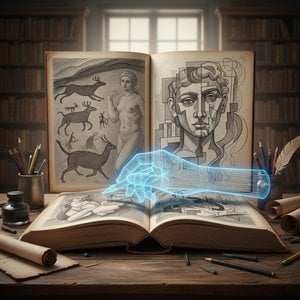
Negli annali della storia dell'arte polacca, poche figure possiedono la capacità di colmare il divario tra profonda intensità psicologica e l'arguta vivacità della satira con la stessa grazia di Edmund Mańczak. Nato nella vibrante e culturalmente ricca atmosfera di Varsavia nel 1917, Mańczak emerse da un periodo di immensa transizione storica, portando con sé gli echi delle avanguardie europee. I suoi primi anni furono plasmati dalle correnti intellettuali del Surrealismo e del Cubismo, che gli fornirono un sofisticato vocabolario visivo molto prima di stabilire la propria voce singolare. Questa solida base gli permise di andare oltre la mera imitazione, cercando invece di catturare l'essenza stessa dei suoi soggetti attraverso una lente che era allo stesso tempo osservatrice e profondamente empatica.
Il percorso di Mańczak come artista fu un cammino di continua evoluzione e rigore accademico. Dopo aver affinato il proprio talento presso la Scuola Statale d'Arte di Poznań, perfezionò la sua maestria tecnica presso la prestigiosa Accademia di Belle Arti di Varsavia. Fu proprio tra quelle mura sacre che Mańanczak passò dall'essere uno studente di stili diversificati — che spaziavano dalla forza bruta dell'Espressionismo alla precisione strutturata del Costruttivismo — a diventare un maestro educatore. Durante il suo incarico come professore all'Accademia, tra il 1958 e il 1967, non si limitò a insegnare la tecnica; egli nutrì un'intera generazione di artisti, instillando in loro il rispetto per l'osservazione meticolosa della condizione umana che sarebbe diventata il suo stesso marchio di fabbrica.
Maestria del Mezzo e del Carattere
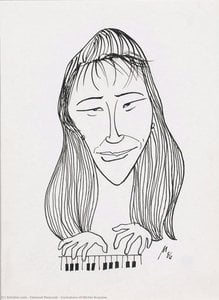
Mentre molti artisti ricercano la grandiosità dell'olio su tela, Mańczak trovò i suoi trionfi più grandi nei regni intimi e tattili della matita, dell'inchiostro e del cartone. Vi è un'intima straordinaria nella sua scelta dei materiali, che gli permetteva di manipolare texture e toni con precisione chirurgica. La sua opera spesso evita la distrazione del colore per concentrarsi interamente sull'interazione tra luce e ombra, creando un mondo monocromatico dove ogni tratto di penna serve a uno scopo narrativo. Questa maestria tecnica era più evidente nelle sue celebri caricature, in cui realizzò un'impresa rara: catturare l'inconfondibile somiglianza di una persona rivelando, allo stesso tempo, il suo spirito interiore.
I suoi ritratti non furono mai semplici studi anatomici; erano esplorazioni psicologiche. Nel ritrarre figure come Krzysztof Jabłoński o Tatiana Pikajzen, Mańczak utilizzava gesti sottili ed espressioni fugaci per trasmettere verità più profonde sui loro caratteri. La sua capacità di bilanciare i tratti esagerati della caricatura con un profondo senso di dignità è ciò che eleva il suo lavoro dall'umorismo semplice alla grande arte. Attraverso l'uso sapiente della linea, egli riusciva a evocare la risata tramite una scaltra esagerazione o il silenzio attraverso uno sguardo struggente e ombroso.
Un'Impronta Indelebile sull'Arte Polacca
Il significato storico di Edmund Mańczak risiede nella sua capacità di umanizzare il processo artistico. In un'epoca in cui l'arte poteva spesso diventare eccessivamente politica o astrattamente distaccata, Mańczak rimase radicato in una prospettiva umanista. La sua opera funge da testimonianza vitale delle personalità e delle trame sociali della Polonia di metà Novecento, preservate attraverso gli occhi acuti, arguti e compassionevoli di un maestro disegnatore.
Riflettere sul lavoro della sua vita significa assistere a un dialogo duraturo tra l'umorismo e il dolore, tra la precisione dell'accademia e la libertà del satirico. La sua eredità continua a risuonare attraverso:
- L'Innovazione Tecnica: L'integrazione fluida delle influenze d'avanguardia nel mezzo tradizionale del disegno.
- La Profondità Psicologica: Una capacità unica di utilizzare la caricatura come strumento di studio del carattere piuttosto che come semplice scherno.
- L'Impatto Educativo: La sua profonda influenza sull'Accademia di Belle Arti di Varsavia e sulle generazioni successive di artisti polacchi.