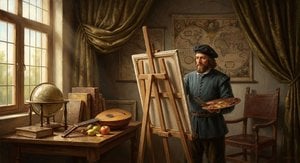
Il Maestro delle Compagnie Allegre: La Vita e l'Eredità di Dirck Hals
Nella luce dorata dei Paesi Bassi del XVII secolo, un'epoca definita da un fiorire artistico senza precedenti e da una crescente ricchezza mercantile, Dirck Hals si è aperto uno spazio che era unicamente suo. Nato a Haarlem nel 1591, Hals emerse da un panorama di profonda energia creativa, muovendosi all'ombra del fratello maggiore più celebre, il leggendario ritrattista Frans Hals. Eppure, considerare Dirck meramente una figura secondaria significa ignorare la sottile brillantezza del suo contributo all'Età dell'Oro olandese. Mentre il fratello catturava l'essenza dignitosa dell'individuo attraverso ritratti suggestivi, Dirck rivolse il suo sguardo verso l'esperienza collettiva, trovando una bellezza profonda nello spontaneo, nel conviviale e nel comunitario.
Il suo percorso artistico era profondamente radicato nelle tradizioni di Haarlem, una città che funse da crogiolo per molti dei più grandi maestri dell'epoca. Sotto l'influenza del nascente realismo promosso da suo fratello, Dirck sviluppò una tecnica caratterizzata da un dettaglio meticoloso e da un'incredibile capacità di catturare momenti fugaci di interazione sociale. Divenne uno specialista in quelle che sono note come conversation pieces: scene intime di gruppi impegnati in vivaci discussioni, musica o momenti di ristoro condiviso. Queste opere non erano puramente decorative; erano finestre psicologiche nel tessuto sociale della Repubblica Olandese, catturando le trame della seta, il luccichio dello stagno e le sfumature di gioia, contemplazione e malizia.
Una Sinfonia di Interazione Sociale
L'essenza dell'opera di Dirck Hals risiede nella sua maestria nell'evocare l'atmosfera. A differenza della rigidità formale spesso presente nella ritrattistica contemporanea, le composizioni di Hals respirano con un senso di movimento e vitalità. Che stesse ritraendo una Festa Allegra all'Aperto o l'eleganza strutturata di un Banchetto, egli utilizzava i principi dell'illuminazione barocca per creare profondità e dramma. Possedeva un dono straordinario nel guidare l'occhio dello spettatore attraverso una scena affollata, usando la luce per mettere in risalto un bicchiere inclinato, uno sguardo complice tra amanti o il modo delicato in cui una mano si posa su una lettera, come si vede nella sua evocativa Donna Seduta con una Lettera.
Il suo lavoro riflette spesso le tendenze culturali più ampie dell'Età dell'Oro olandese, dove la celebrazione della domesticità e della prosperità della classe media divenne un tema centrale nell'arte. Attraverso le sue raffigurazioni di raduni festosi e celebrazioni nei saloni da ballo, Hals documentò i ritmi della vita in un'era di immensa crescita economica. La sua capacità di trasmettere sia la grandezza di questi rituali sociali sia le intime connessioni umane al loro interno gli permise di trascendere la semplice pittura di genere, elevando la scena della "compagnia allegra" a uno studio sofisticato della natura umana.
Significato Storico e Impronta Artistica
Sebbene la sua carriera lo abbia portato a lavorare in vari centri, compresi periodi notevoli a Leiden durante gli anni 1640, Hals rimase intrinsecamente legato allo spirito di Haarlem. Il suo sviluppo come artista fu segnato da un costante affinamento della sua capacità di ritrarre texture e luce, assicurando che le sue tele più piccole possedessero un impatto emotivo monumentale. Anche se potrebbe non aver cercato la fama internazionale di Rembrandt o Rubens, la sua influenza sulla tradizione della pittura di genere fu significativa, fornendo un modello su come gli artisti potessero catturare la bellezza effimera della vita sociale quotidiana.
Oggi, l'eredità di Dirck Hals sopravvive attraverso opere custodite in prestigiose istituzioni come il Metropolitan Museum of Art, dove i suoi dipinti continuano ad incantare gli spettatori con il loro spirito vibrante. Il suo contributo alla storia dell'arte è definito da diversi elementi chiave:
- Specializzazione nel Genere: Perfezionò la scena della "compagnia allegra", allontanandosi dal ritratto formale verso narrazioni di gruppo dinamiche.
- Profondità Psicologica: Oltre alla mera decorazione, le sue figure possiedono un senso di carattere individuale e presenza emotiva.
- Precisione Tecnica: La sua maestria nella luce e nella trama conferì una realtà tattile alle scene delle festività olandesi.
- Documentazione Culturale: Il suo lavoro funge da vitale registro visivo dei costumi sociali e dell'atmosfera celebrativa dei Paesi Bassi del XVII secolo.
Nel grande arazzo dell'Età dell'Oro olandese, Dirck Hals rimane un filo vitale, ricordandoci che si può trovare una profonda arte nelle risate condivise, nei sussurri silenziosi e nelle celebrazioni collettive dell'esperienza umana.
Domande e risposte
Posso ordinare le opere di Dirck Hals per colore?
La pagina Indice Spettrale organizza le opere di Dirck Hals per colore.
Dove posso vedere il profilo cromatico delle opere di Dirck Hals?
Il profilo cromatico delle opere di Dirck Hals è visualizzabile nella pagina Genoma della Palette dell'artista.
Quante opere di Dirck Hals sono disponibili per la consultazione?
Puoi sfogliare 49 opere d'arte opere di Dirck Hals nella pagina Tutte le opere d'arte.