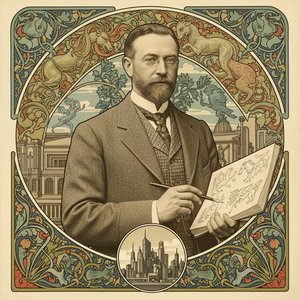
Charles Fraser: Un Maestro Scozzese della Luce e del Paesaggio
Nato a Edimburgo, in Scozia, nel 1782, la vita di Charles Fraser si è sviluppata sullo sfondo di una nazione impegnata in una profonda trasformazione. Sebbene non abbia sempre goduto dello stesso riconoscimento universale di alcuni dei suoi contemporanei – figure come Turner o Constable, per esempio – Fraser è riuscito comunque a forgiare un'eredità distintiva e duratura all'interno dell'arte britannica. La sua opera, in particolare durante l'inizio del XIX secolo, offre uno sguardo affascinante sull'evoluzione del panorama pittorico britannico, fondendo elementi della tradizione classica con un nascente interesse per la cattura delle sfumature di luce e atmosfera. La sua storia è una narrazione di dedizione silenziosa, osservazione meticolosa e un profondo legame con la campagna scozzese.
La formazione artistica giovanile di Fraser rimane in parte avvolta nelle nebbie del tempo, ma si ritiene che abbia iniziato il suo percorso sotto la guida di maestri locali scozzesi. Questi anni formativi hanno instillato in lui un profondo apprezzamento per il ricco patrimonio culturale della regione e una comprensione fondamentale delle tecniche della pittura a olio, competenze che avrebbero successivamente informato il suo stile inconfondibile. L'assenza di una documentazione biografica estesa contribuisce a un senso di mistero che circonda i suoi primi anni, aggiungendo un elemento di intrigo alla sua produzione artistica.
Un Ritrattista e Pioniere delle Scene Rurali
La carriera di Fraser è fiorita principalmente attraverso due percorsi distinti ma interconnessi: la ritrattistica e la pittura di paesaggio. Si affermò rapidamente come un abile miniaturista, producendo ritratti finemente dettagliati che catturavano le sembianze della nobiltà scozzese e di importanti figure locali. Queste opere in miniatura, caratterizzate da una pennellata delicata e sottili variazioni tonali, dimostrano un notevole livello di perizia tecnica e un'acuta capacità di trasmettere la personalità attraverso espressioni fugaci. La collezione di ritratti custodita presso il Blake Museum nel Regno Unito funge da testimonianza del suo talento in questo genere.
Tuttavia, è forse nei suoi paesaggi che Fraser si è veramente distinto. I suoi dipinti della Scozia rurale – in particolare quelli che fanno parte della Frasburgh Library Collection – sono intrisi di un straordinario senso di serenità e autenticità. Egli evitava viste drammatiche o composizioni grandiose, concentrandosi invece sul catturare la bellezza silenziosa delle scene quotidiane: colline ondulate, ruscelli sinuosi e umili fattorie immerse nel morbido bagliore del crepuscolo. Queste opere non erano semplici rappresentazioni di scenari; erano meditazioni accuratamente costruite sulla luce, sul colore e sui ritmi della vita rurale.
Opere Notevoli e Collezioni Museali
Diversi pezzi chiave illuminano lo sviluppo artistico e le preferenze stilistiche di Fraser. “Landscape with Figures” funge da esempio primario della sua capacità di integrare senza soluzione di continuità figure umane in paesaggi vasti, creando un equilibrio armonioso tra composizione e atmosfera. Il patrimonio della Frasburgh Library – che include "Country Road and Kinnaird Head Lighthouse and Wine Tower" – offre ulteriori spunti sulla sua profonda connessione con il paesaggio scozzese e la sua meticolosa attenzione al dettaglio. Questi dipinti non sono semplici rappresentazioni di luoghi; sono intrisi di un senso di appartenenza, catturando l'essenza stessa della Scozia rurale.
Il Blake Museum nel Regno Unito ospita diverse opere significative di Fraser, tra cui “Young Polo Player”, che mette in mostra la sua abilità nel ritrarre il movimento dinamico e nel catturare l'energia degli eventi sportivi. Inoltre, la Frasburgh Library stessa funge sia da museo che da biblioteca pubblica, preservando e esponendo con dedizione i dipinti di Fraser – in particolare "Country Road and Kinnaird Head Lighthouse and Wine Tower" – riflettendo il suo legame indissolubile con la terra natale.
Eredità e Influenza
L'impatto di Charles Fraser sull'arte britannica potrebbe non apparire immediatamente nelle grandi narrazioni dell'epoca, ma i suoi contributi sono comunque significativi. Egli rappresenta un legame cruciale tra le tradizioni classiche della ritrattistica e l'emergente interesse romantico per la pittura di paesaggio. La sua osservazione meticolosa, l'uso sottile della luce e del colore e la quieta riverenza per la campagna scozzese lo hanno stabilito come una voce distinta nel mondo dell'arte britannica. Sebbene oscurato da contemporanei più appariscenti, il lavoro di Fraser continua a risuonare negli spettatori odierni, offrendo un commovente promemoria della bellezza e della tranquillità che si possono trovare nelle scene più semplici.
Inoltre, la sua influenza si estende oltre la Scozia. Le sue tecniche e il suo approccio alla pittura di paesaggio furono adottati da artisti successivi, contribuendo allo sviluppo delle tradizioni del pittoresco britannico. La sua eredità è fatta di un'arte silenziosa, di un'osservazione minuziosa e di un profondo apprezzamento per la bellezza del mondo naturale – qualità che continuano a ispirare artisti e amanti dell'arte allo stesso modo.
Domande e risposte
In quali periodi è suddivisa la carriera di Charles Fraser?
La carriera di Charles Fraser si svela periodo dopo periodo nella pagina Cronologia artistica: una linea temporale orizzontale delle opere, raggruppate in capitoli relativi ai vari periodi della sua carriera.
A quale periodo storico appartiene l'opera di Charles Fraser?
Charles Fraser ha operato nel periodo XIX secolo, collocando storicamente la sua attività.
A quali movimenti appartiene l'opera di Charles Fraser?
Le opere di Charles Fraser possono essere consultate per movimento nella pagina Tutti i movimenti dell'artista.