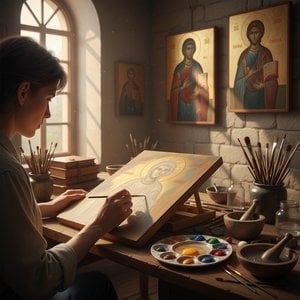
Un'eredità di luce e devozione veneziana
Nell'atmosfera vibrante e scintillante del Quattrocento, Bartolomeo Vivarini emerse come una figura cruciale nell'evoluzione della pittura veneziana. Nato nel celebre centro vetrario di Murano, Italia, egli faceva parte di un'inflessibile dinastia di artisti che contribuì a plasmare l'identità visiva della Repubblica di Venezia. Come membro della famiglia Vivarini, la sua vita e la sua opera furono profondamente intrecciate con il battito artistico della sua terra natale, fungendo da ponte nella transizione dalle ornate e dorate tradizioni del tardo Gotico al nascente umanesimo del primo Rinascimento.
L'arte di Vivarini è caratterizzata da un profondo senso di spiritualità e precisione tecnica. Sebbene fosse un maestro della tempera, utilizzando spesso la foglia d'oro per infondere alle sue composizioni un lusso celeste, fu anche un innovatore nell'uso di nuovi mezzi espressivi. È noto che apprese l'arte della pittura a olio da Antonello da Messina, e gli viene attribuita la produzione di quello che si ritiene sia il primo dipinto a olio a Venezia intorno al 1473. Questa maestria gli permise di manipolare luce e consistenza in modi che portarono un nuovo livello di intimità e serenità ai suoi soggetti religiosi.
Maestria della forma e del simbolismo
L'opera di Vivarini presenta spesso un equilibrio sorprendente tra contorni netti e definiti e una tavoluzione cromatica ricca ed emotiva. Le sue figure possiedono frequentemente un'espressione dignitosa e devota, catturando la solennità richiesta per le pale d'altare che adornavano le basiliche veneziane. Questa capacità di trasmettere l'emozione umana attraverso forme strutturate lo rese un pittore molto ricercato per importanti committenze religiose. Un esempio notevole della sua abilità si trova nella sua Madonna e Bambino, dove utilizza la luce che entra dalle finestre e profondi drappeggi rossi per creare un senso di spazio sacro.
Oltre alle figure stesse, i dipinti di Vivarini sono spesso stratificati di significati simbolici:
- L'uso dell'oro: La sua frequente applicazione della foglia d'oro funge non solo da decorazione, ma come mezzo per rappresentare la luce divina.
- Motivi naturali: In un affascinante richiamo al suo nome — poiché vivarino si traduce con cardellino in italiano — egli includeva occasionalmente il piccolo uccello come una sottile firma all'interno delle sue opere.
- Profondità architettonica: Le sue composizioni, come il Polittico di Conversano, dimostrano una sofisticata comprensione della prospettiva e dell'integrazione di figure sacre in strutture complesse e multipannello.
Significato storico e influenza artistica
L'importanza storica di Bartolomeo Vivarini risiede nel suo ruolo di ponte tra epoche diverse. Egli si trovò all'incrocio tra le tradizioni di influenza bizantina dei suoi predecessori e gli stili rivoluzionari del Rinascimento portati da artisti come Fra Angelico e Giovanni Bellini. Fondendo queste diverse influenze, contribuì a stabilire un linguaggio visivo veneziano unico, che privilegiava il colore luminoso e la risonanza emotiva.
La sua influenza si estese attraverso la sua stirpe familiare, impattando notevolmente l'opera del nipote, Alvise Vivarini, che sarebbe diventato un artista di primo piano a Venezia prima dell'ascesa di Bellini. Attraverso il suo dettaglio meticoloso e la sua pionieristica adozione delle tecniche a olio, Bartolomeo Vivarini ha lasciato un segno indelebile nella storia dell'arte italiana, assicurando che la grandezza spirituale ed estetica di Murano e Venezia venisse preservata per le generazioni a venire.
Domande e risposte
Dove posso vedere le opere di Bartolomeo Vivarini in ordine cronologico?
Esiste una cronologia delle opere di Bartolomeo Vivarini: la pagina Cronologia opere dell'artista ordina le opere per data di creazione.
Quali emozioni esprimono le opere di Bartolomeo Vivarini?
La pagina Stanze d'atmosfera dell'artista mostra le opere di Bartolomeo Vivarini suddivise per atmosfera.
In quale periodo storico ha operato Bartolomeo Vivarini?
Bartolomeo Vivarini ha operato nel periodo Rinascimento. Tale epoca colloca storicamente l'attività dell'artista.