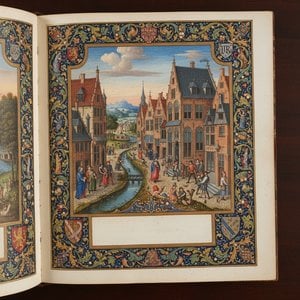
Un'eco fiamminga nel Rinascimento spagnolo
Bartolomé Bermejo si erge come una figura cruciale nella transizione tra l'arte gotica e il primo Rinascimento, in particolare all'interno della Penisola Iberica. Il suo stile distintivo—caratterizzato da un dettaglio meticoloso, un'illuminazione drammatica e un realismo magistrale—gli valse il riconoscimento come uno dei più eminenti pittori della sua epoca, consolidando la sua eredità di pioniere capace di assimilare con successo le tecniche pittoriche fiamminghe nelle tradizioni artistiche spagnole. Sebbene i dettagli biografici rimangano in parte elusivi a causa della scarsità di documentazione, gli studiosia concordano sul fatto che egli abbia fiorito principalmente a Valencia, Daroca, Saragozza e Barcellona durante la seconda metà del XV secolo.
La giovinezza e la formazione di questo maestro restano avvolte in un certo mistero storico. Le informazioni precise riguardo al luogo di nascita di Bermejo—Córdoba—sono oggetto di dibattito, con ricerche recenti che ne mettono in discussione la certezza. Tuttavia, la sua attività artistica si concentrò attorno a quattro città spagnole chiave: Valencia (1468), Daroca (1474), Saragozza (1477–84) e Barcellona (1486–1501). Le esatte origini del suo apprendistato rimangono ignote, eppure l'eccezionale padronanza della velatura a olio—una tecnica perfezionata dai maestri fiamminghi—suggerisce fortemente una diretta esposizione alle innovazioni artistiche provenienti da Bruges e Gand. Questo profondo legame con il Nord gli permise di portare in Spagna un livello di sofisticatezza tecnica precedentemente mai visto.
La maestria della luce e della consistenza
L'opera di Bermejo comprende numerosi altari, che dimostrano la sua maestria nei grandi retabli a più pannelli. La sua tecnica incarna lo spirito della pittura fiamminga, privilegiando un'osservazione meticolosa e la resa delle texture con straordinaria accuratezza. Egli impiegò abilmente le tecniche di velatura—applicando sottili e trasparenti strati di pittura a olio—per ottenere una profondità luminosa che sembra brillare dall'interno. Questo metodo gli permise di catturare la lucentezza della seta, la fredda durezza delle pietre preziose e il morbido calore della pelle umana con una qualità quasi tattile.
Tra i suoi traguardi più celebrati si trovano opere che mostrano sia la sua devozione religiosa che la sua ambizione tecnica:
- San Domenico in gloria: Completato nel 1474, questo monumentale altare esemplifica la fusione delle tecniche pittoriche fiamminghe con le tradizioni artistiche spagnole. Presenta una rappresentazione regale di San Domenico circondato da arredi ornati e colori vibranti, dimostrando l'ineguagliabile abilità di Bermejo nel catturare consistenza e luminosità.
- La morte della Vergine: Eseguita intorno al 1460, quest'opera esemplifica lo stile ispanico-fiammingo. Ispirandosi a maestri come Hugo van der Goes, presenta un realismo meticoloso ed elementi simbolici—una toccante rappresentazione del passaggio di Maria all'interno di un'edicola riccamente ornata.
- Pietà del Canonico Luis Desplá: Questa commovente Pietà incarna il realismo fiammingo fuso senza soluzione di continuità con l'estetica del Rinascimento spagnolo. Presenta una magistrale raffigurazione di Maria che accoglie Gesù in un drammatico paesaggio montuoso, invitando gli spettatori in un momento di profondo dolore e bellezza senza tempo.
Eredità e significato storico
Il significato storico di Bartolomé Bermejo risiede nel suo ruolo di ponte tra epoche e culture. Attraverso il suo monumentale trittico della Vergine di Montserrat a Valencia e i suoi incompiuti altari maggiori a Santo Domingo de Silos e Santa Anna a Barcellona, egli dimostrò un'abilità e un'ambizione senza pari che spinsero i confini dell'arte spagnola. Non si limitò a copiare gli stili del Nord; li sintetizzò con una sensibilità locale per creare qualcosa di interamente unico.
Integrando l'intenso realismo e la profondità simbolica della tradizione fiamminga nel panorama religioso della Penisola Iberica, Bermejo contribuì a spianare la strada alla successiva fioritura del Rinascimento spagnolo. La sua capacità di manipolare luce e ombra per evocare emozioni rimane una testimonianza del suo genio, assicurando che il suo nome continui a risuonare tra gli storici dell'arte e gli ammiratori delle belle arti allo stesso modo.
Domande e risposte
Con quali pseudonimi o nomi alternativi è conosciuto Bartolomé Bermejo?
Bartolomé Bermejo è noto anche con il nome di Bartolomé De Cárdena.
Come si è evoluta l'arte di Bartolomé Bermejo nel tempo?
La carriera di Bartolomé Bermejo si svela periodo dopo periodo nella pagina Cronologia artistica: una linea temporale orizzontale delle opere, raggruppate in capitoli relativi ai vari periodi della sua carriera.
Dove si possono esplorare le opere di Bartolomé Bermejo organizzate per colore?
La pagina Indice dei colori organizza le opere di Bartolomé Bermejo per colore.