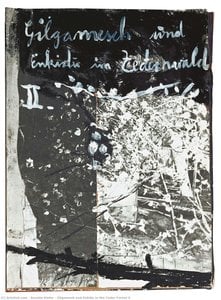
Il peso della memoria: l'arte di Anselm Kiefer
Anselm Kiefer si erge come una delle voci più profonde e distintive del Neoespressionismo, un movimento artistico emerso tra la fine degli anni '70 e l'inizio degli anni '80 come una potente reazione all'austerità del Minimalismo e dell'Arte Concettuale. Nato a Donaueschingen, in Germania, nel 1945, l'esistenza stessa di Kiefer è indissolubilmente legata alle conseguenze della Seconda Guerra Mondiale. La sua opera trascende la mera rappresentazione; è un'esplorazione immersiva e viscerale della storia tedesca — in particolare del suo profondo trauma — espressa attraverso tele monumentali e sculture che esigono un confronto fisico da parte dello spettatore. Il suo percorso artistico ebbe inizio con rigorosi studi sotto la guida di Peter Dreher e Horst Antes presso la Hochschule für Gestaltung Weinheim-Basel, dove gettò le basi per il suo celebre approccio sperimentale alla creazione artistica.
L'anima del lavoro di Kiefer è profondamente radicata nelle ombre letterarie del passato, in particolare attraverso l'inquietante poesia di Paul Celan. Il linguaggio frammentato e la preoccupazione per la perdita presenti nei versi di Celan hanno influenzato profondamente le tematiche di Kiefer, specificamente riguardo all'Olocausto e ai suoi effetti persistenti, spesso silenziosi, sulla memoria collettiva tedesca. Attraverso la sua arte, Kiefer cerca di dare forma a questo silenzio, esplorando temi di assenza, distruzione e l'opprimente peso dell'eredità storica. La sua opera non si limita a ritrarre la storia; essa tenta di scavarla dagli strati del tempo e delle macerie.
Materialità e alchimia della distruzione
Ciò che distingue veramente Kiefer dai suoi contemporanei è l'uso deliberato e magistrale di materiali che portano con sé un immenso peso simbolico. Egli tratta la tela non come una superficie piatta, ma come un sito di trasformazione geologica e storica. Incorporando elementi non convenzionali come cenere, paglia, argilla, piombo e gommalacca, crea opere che sembrano meno dipinti e molto più reperti recuperati da una terra bruciata. Ogni materiale assolve a uno scopo narrativo:
- Cenere: derivata da foreste bruciate, la cenere funge da struggente promemoria della devastazione ecologica e della distruzione letterale e metaforica causata dalla guerra.
- Paglia: questo elemento introduce un senso di fragilità, rappresentando la vulnerabilità della vita umana di fronte alle forze travolgenti della natura e della storia.
- Piombo: un medium pesante e cupo che conferisce un senso di permanenza e il peso schiacciante del passato.
La tecnica di Kiefer è caratterizzata da una stratificazione intensa e spessa dell'impasto. Applica il colore in molteplici strati densi per creare superfici materiche che ricordano la terra bruciata o antiche formazioni geologiche. Questo approccio tattile non è puramente decorativo; coinvolge attivamente lo spettatore, costringendolo a confrontarsi con la pura fisicità del suo processo. La scala delle sue tele spesso rispecchia la dimensione monumentale degli eventi storici che affronta, creando un ambiente in cui l'osservatore viene assorbito dalla trama e dalla gravità dell'opera.
Eredità e significato storico
Con il progredire della sua carriera, il riconoscimento internazionale di Kiefer è cresciuto attraverso opere che hanno sfidato i confini tra pittura, scultura e installazione. La sua capacità di intrecciare mito, alchimia e catastrofe storica gli ha assicurato un posto tra i titani dell'arte contemporanea. Che stia ritraendo le ombre inquietanti degli imperatori romani o i paesaggi desolati dell'Europa del dopoguerra, la sua opera rimane un dialogo continuo con il concetto stesso di tempo. Attraverso la sua maestria nella consistenza e nel simbolismo, Anselm Kiefer ha creato un linguaggio visivo capace di articolare gli aspetti più difficili della storia umana, assicurando che le cicatrici del passato non vengano mai veramente cancellate, ma piuttosto trasformate in opere profonde di duratura importanza.
Domande e risposte
Quante opere di Anselm Kiefer sono disponibili per la consultazione?
Puoi sfogliare 39 opere d'arte opere di Anselm Kiefer nella pagina Tutte le opere d'arte.
Posso sfogliare le opere di Anselm Kiefer in base all'umore?
La Stanze d'atmosfera di Anselm Kiefer è una pagina che organizza le opere dell'artista in base all'umore.
In quali periodi è suddivisa la carriera di Anselm Kiefer?
Un resoconto cronologico delle opere di Anselm Kiefer è disponibile nella pagina Cronologia dell'artista, dove le opere sono presentate nell'ordine di creazione, capitolo dopo capitolo.