 Anteprima in scala reale
 Condividi
 Condividi
 Dettagli

 Scarica immagine
 Articoli simili
 Radiografia
 Slideshow
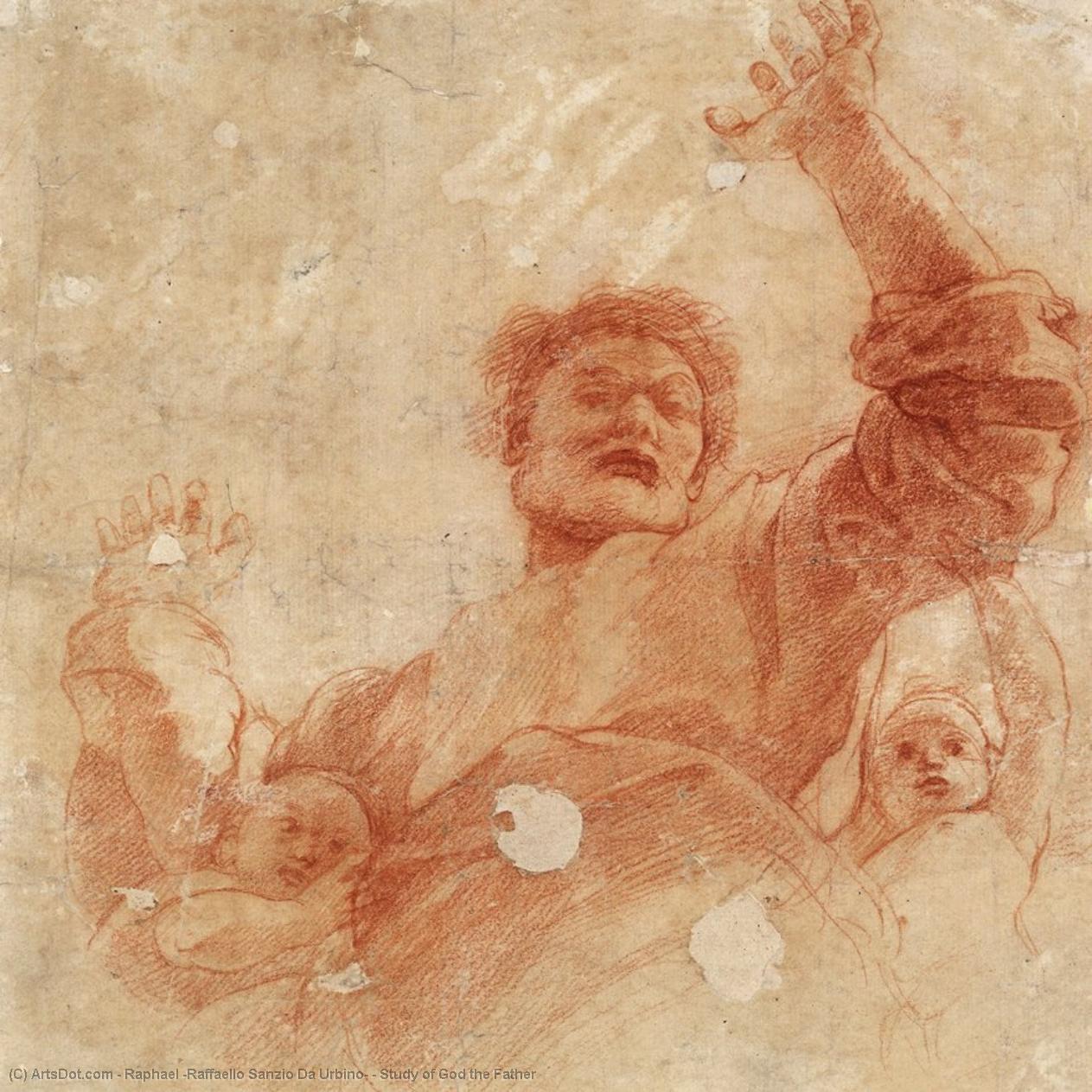
Studio di Dio Padre
 Acrilico su tela
- Opere da parete
- Alto Rinascimento
 1515
1515- Rinascimento
 214.0 x 209.0 cm
 Leggi tutto
Riproduzione a olio fatta a mano
Olio su tela dipinto a mano nelle tue dimensioni e con la tua cornice, realizzato su ordinazione dai nostri artisti. ( Ordina stampa Acquista download)




P118B $10

P118H $10

P118W $10

P438Z $10

P508JH $12

P508YH $12

P805H $10

P805Z $10

P919BZ $10

P919G $10

P919XJ $10

P959ZH $10

P968JZ $12

W106C $8

W218G $10

W218JH $8

W218Y $10

W307PJ $10

W316G $10

W316PJ $8

W316Y $10

W398PJ $8

W4111J $10

W500HY $15

W500JH $15

W692G $12

W849H $8

W940BG $15

W953PJ $8




Scegli tra le nostre dimensioni predefinite, che rispettano le proporzioni originali dell'opera d'arte.

È possibile inserire dimensioni personalizzate per adattare l'opera a una cornice o a uno spazio specifico. Se la dimensione selezionata non corrisponde alle proporzioni dell'immagine originale, provvederemo a ritagliare l'opera o a estendere il dipinto con elementi aggiuntivi dipinti a mano. Un mockup digitale ti sarà inviato per approvazione prima dell'inizio della produzione.
Si prega di notare che l'anteprima a schermo non riflette il ritaglio o l'estensione effettivi. Solo il mockup mostrerà accuratamente la composizione finale.
Sebbene siano disponibili dimensioni personalizzate, consigliamo di selezionare una dimensione dall'elenco predefinito per preservare le proporzioni originali.
Dopo l'ordine, il team di ArtsDot.com contatterà il cliente via e-mail per le istruzioni e fornirà un'anteprima del mockup
Consegna in tutto il mondo () in 3/4 settimane anziché nelle normali 5 settimane. (16 Agosto). Nessun compromesso sulla qualità.

Spedizione espressa gratuita in tutto il mondo

Tela in lino di alta qualità

Assicurazione completa sulla spedizione

Garanzia di rimborso dei dazi doganali

Garanzia di fedeltà cromatica dell'originale

Politica di reso entro 60 giorni (solo per difetti di fabbricazione)

Garanzia di rimborso al 100%

Sconto per acquisti multipli
 L'opzione vetro è disponibile solo per dimensioni inferiori a 110 cm

Studio di Dio Padre
Tecnica di riproduzione
Dimensioni della riproduzione
-


Prezzo totale
$ 313
Descrizione dell'opera
A Divine Vision: Unveiling Raphael’s *Study of God the Father*
Raphael's *Study of God the Father*, created in 1515, is more than just a preparatory sketch; it’s a profoundly moving exploration of paternal love and divine grace. Executed in delicate chalk on paper (measuring 214 x 209 cm), this work offers an intimate glimpse into Raphael's creative process while standing as a masterpiece in its own right – a testament to the High Renaissance ideals of beauty, harmony, and emotional depth. It’s a piece that speaks volumes about Raphael’s artistic vision and his understanding of the spiritual significance of art itself.Compositional Harmony & Narrative Depth
The drawing centers on a powerfully built male figure, undeniably embodying God the Father, tenderly cradling two infants—symbols of humanity’s innocence and dependence. The figures are arranged in a dynamic pyramidal composition, with the central figure providing stability and strength. Each child gazes upwards at their father, radiating adoration and trust. This upward gaze isn't merely anatomical; it suggests a spiritual yearning, a reaching for divine connection. A partially visible third figure in the background subtly hints at a broader narrative context – perhaps representing humanity observing this sacred interaction or other celestial beings witnessing the scene. The arrangement is not static but imbued with movement and emotional resonance. Raphael skillfully uses diagonal lines to draw the viewer’s eye upwards, mirroring the gaze of the infants and emphasizing the importance of faith and devotion.Mastery of Technique & Renaissance Style
Raphael’s skill with chalk is breathtakingly evident in *Study of God the Father*. He employs a masterful range of tonal values, creating a sense of volume and three-dimensionality despite working on a two-dimensional surface. The delicate lines define musculature and drapery with remarkable precision, while subtle shading evokes softness and warmth. This technique exemplifies the High Renaissance emphasis on naturalism and anatomical accuracy. It’s a testament to Raphael's meticulous observation of the human form and his ability to translate that observation into visual art. It's a study in contrasts: strength and tenderness, divinity and humanity. The artist’s careful attention to detail—the subtle folds of fabric, the expressive musculature—demonstrates an unparalleled understanding of artistic principles.Historical Context & Papal Commissions
Raphael was at the height of his career when he created this work, deeply involved with prestigious commissions for the Vatican under Popes Julius II and Leo X. He was transforming the papal apartments, adorning them with frescoes that celebrated classical learning and Christian faith. *Study of God the Father* likely served as a preparatory drawing for larger compositions intended for these spaces – potentially related to altarpieces or decorative schemes exploring theological themes. His involvement in projects like The School of Athens demonstrates his commitment to synthesizing classical ideals with religious subject matter, a characteristic also present here. This ambitious undertaking reflects the intellectual fervor of the Renaissance and Raphael’s desire to elevate art as a vehicle for spiritual contemplation.Symbolism & Emotional Resonance
Beyond its immediate depiction of familial love, the drawing is rich in symbolism. God the Father’s protective embrace represents divine providence and unwavering care for humanity. The infants symbolize not only innocence but also the potential for spiritual growth. Raphael captures this profound emotion with remarkable sensitivity—the tenderness of the father's gesture, the gaze of adoration from the children. It's a visual prayer, an expression of faith rendered with unparalleled artistic beauty. The drawing invites contemplation on themes of compassion, guardianship, and divine grace – qualities that continue to resonate powerfully with viewers today.- Style: High Renaissance
- Technique: Chalk on paper
- Dimensions: 214 x 209 cm
- Date: 1515
- Current Location: Ashmolean Museum, Oxford, UK
The Urbino Renaissance: Raphael’s Early Life and Formation
Raffaello Sanzio da Urbino, known to the world as Raphael, emerged from a remarkably fertile cultural landscape. Born in 1483 within the walls of Urbino, a small but intellectually vibrant city-state in central Italy, his earliest years were steeped in an atmosphere that prized both artistic skill and humanist learning. His father Giovanni Santi was not merely a painter employed by Duke Federico da Montefeltro—he was a man deeply engaged with the currents of Renaissance thought, a poet who chronicled the Duke’s life and actively sought out innovative artistic ideas from across Italy and beyond. This immersion in a courtly environment, one that valued refinement and intellectual discourse, profoundly shaped the young Raphael's sensibilities. The loss of his father at age eleven thrust responsibility upon him, but also provided an opportunity to hone his skills within the family workshop, absorbin
Opere correlate


Biografia dell'artista
**primi anni di vita e formazione**
Raphael (Raffaello Sanzio da Urbino), un rinomato pittore e architetto italiano, nacque tra il 28 marzo e il 6 aprile 1483, nella piccola ma culturalmente significativa città di Urbino. Suo padre, Giovanni Santi, era un pittore di corte per il duca, offrendo a Raffaello un'esposizione precoce al mondo dell’arte. Dopo la morte del padre all'età di undici anni, Raffaello probabilmente gestì l'officina familiare, consolidando ulteriormente le sue fondamenta artistiche.**carriera artistica e influenze**
Il percorso artistico di Raffaello può essere suddiviso in tre fasi distinte, ciascuna caratterizzata da uno stile unico:- primi anni a Umbriglia: caratterizzati dall'influenza del padre e dall'atmosfera culturale di Urbino.
- periodo fiorentino (1504-1508): assorbendo le tradizioni artistiche di Firenze, che hanno profondamente influenzato il suo stile.
- periodo romano (1508-1520): lavorando per due papi e i loro associati, producendo alcune delle sue opere più celebrate, tra cui La scuola di Atene nella stanza della segnatura Vaticana.
**opere notevoli e eredità**
Alcune delle opere più importanti di Raffaello includono:- Il giudizio di Solemano (visualizza su ArtsDot)
- La Madonna di Esterhazy (visualizza su ArtsDot)
- Stanze Vaticane - Vista della stanza della segnatura (visualizza su ArtsDot)
- S. Sebastiano (visualizza su ArtsDot)
- La donna velata (visualizza su ArtsDot)
**influenza e eredità**
L'influenza di Raffaello sull'arte è profonda, con le sue opere che costituiscono un pilastro del Rinascimento maturo. Il suo stile sereno e armonioso è stato un modello per la pittura neoclassica, come notato da l' storico dell'arte Johann Joachim Winckelmann. Nonostante l'influenza successiva dello stile di Michelangelo, Raffaello rimane uno degli artisti più celebrati della storia. visualizza il profilo di Raffaello su ArtsDot
Raffaello
1483 - 1520 , Italia
Informazioni rapide
- Artisti Influenti:
- Giovanni Santi
- Pietro Perugino
- Leonardo da Vinci
- Michelangelo
- Artisti Influenzati: ['Neoclassicismo']
- Data Di Morte: 6 aprile 1520
- Data Di Nascita: 28 marzo 1483
- Luogo Di Nascita: Urbino, Italia
- Movimento Artistico: Rinascimento maturo
- Nazionalità: Italiana
- Nome Completo: Raffaello Sanzio da Urbino
- Opere Notevoli:
- La Scuola di Atene
- Madonna Solly
- Madonna del Cardellino
- Le Tre Grazie
- La Messa a Bolsena
Articoli correlati

Raffaello Sanzio: I 25 Capolavori Immortali dell'Arte Rinascimentale | ArtsDot
Esplora i 25 capolavori immortali di Raffaello Sanzio, il maestro del Rinascimento italiano. Scopri la storia, le tecniche e l'emozione dietro dipinti iconici come 'La Scuola di Atene'. Trova riproduzioni d'arte di alta qualità per decorare casa tua su ArtsDot.com.
I 10 Capolavori del Rinascimento Maturo che Hanno Definito l'Arte: Scopri i Maestri
Esplora i 10 capolavori del Rinascimento Maturo con ! Scopri Leonardo, Michelangelo, Raffaello e altri maestri. Dipinti iconici, storie affascinanti e riproduzioni d'arte di alta qualità per la tua casa. Esplora la collezione online!

Leonardo da Vinci: I 25 Capolavori Immortali per Arredare con Arte
Esplora i 25 capolavori immortali di Leonardo da Vinci: dalla Mona Lisa all'Ultima Cena. Scopri la storia, le tecniche e il significato di ogni opera rinascimentale. Arreda con arte di qualità museale su ArtsDot.com.

The Nuances of Graphite: Exploring Emotional Depth & Technical Mastery in Pencil Drawing
Explore the captivating world of graphite drawing! Discover its rich history, master essential techniques like chiaroscuro, and learn how artists evoke emotion through this timeless medium. Expert insights for art enthusiasts.
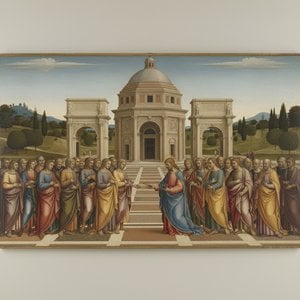
Pietro Perugino: Umbrian Master of Serenity & Precursor to Raphael's High Renaissance
Explore the life & art of Pietro Perugino, a pivotal Renaissance master and Raphael’s influential teacher. Discover his serene compositions, Sistine Chapel frescoes, and lasting legacy with ArtsDot.