- Home

- Stampa su tela
- Raffaello
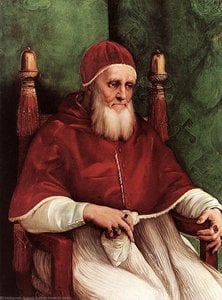
- Portrait of Andrea Navagero and Agostino Beazzano

 Ordina la riproduzione Acquista download
 Invia
Invia
 Condividi
 Dettagli opera
 Aggiungi ai preferiti

 Scarica
 Simili
 Radiografia
 Slideshow
Portrait of Andrea Navagero and Agostino Beazzano

 Scopri di più
Giclée / Stampa d'arte
Stampa giclée o su tela di qualità museale, con produzione rapida e diverse opzioni di finitura.




P118B $10

P118H $10

P118W $10

P438Z $10

P508JH $12

P508YH $12

P805H $10

P805Z $10

P919BZ $10

P919G $10

P919XJ $10

P959ZH $10

P968JZ $12

W106C $8

W218G $10

W218JH $8

W218Y $10

W307PJ $10

W316G $10

W316PJ $8

W316Y $10

W398PJ $8

W4111J $10

W500HY $15

W500JH $15

W692G $12

W849H $8

W940BG $15

W953PJ $8




Scegli tra le nostre dimensioni predefinite, che rispettano le proporzioni originali dell'opera d'arte.

È possibile inserire dimensioni personalizzate per adattare l'opera a una cornice o a uno spazio specifico. Se la dimensione selezionata non corrisponde alle proporzioni dell'immagine originale, procederemo al ritaglio dell'opera o all'estensione dell'immagine con un bordo specchiato o a tinta unita. Un mockup digitale ti verrà inviato per approvazione prima dell'inizio della produzione.
Si prega di notare che l'anteprima a schermo non riflette il ritaglio o l'estensione effettivi. Solo il mockup mostrerà accuratamente la composizione finale.
Sebbene siano disponibili dimensioni personalizzate, si raccomanda di selezionare una dimensione dall'elenco predefinito per preservare le proporzioni originali.
Consegna in tutto il mondo () in 2 settimane invece delle normali 4/5 settimane. (18 Luglio)

Spedizione espressa gratuita in tutto il mondo

Tela in lino di alta qualità

Assicurazione completa sulla spedizione

Garanzia di rimborso dei dazi doganali

Garanzia di fedeltà cromatica

Politica di reso entro 60 giorni (solo per difetti)

Garanzia di rimborso al 100%

Sconto per acquisti multipli
 L'opzione vetro è disponibile solo per dimensioni inferiori a 110 cm

Portrait of Andrea Navagero and Agostino Beazzano
Giclée / Stampa d'arte
Dimensioni riproduzione
-


Prezzo totale finale
-
Descrizione dell'opera
Portrait of Andrea Navagero and Agostino Beazzano: A Renaissance Dialogue
Raphael’s “Portrait of Andrea Navagero and Agostino Beazzano,” painted in 1516, is more than a simple likeness; it's a carefully constructed tableau of Venetian intellect and social grace. Housed within the Galleria Doria Pamphilj in Rome, this double portrait offers a captivating glimpse into the vibrant world of Renaissance Florence and Venice, revealing a sophisticated interplay between two prominent figures of their time.
The painting immediately draws the eye with its masterful use of chiaroscuro – a technique perfected by Raphael himself. The dark background, almost velvety in its depth, serves to dramatically isolate the subjects, emphasizing their faces and richly-layered clothing. This strategic darkness not only creates a sense of intimacy but also lends an air of solemnity and gravitas to the scene, reflecting the importance placed on intellect and status within Renaissance society. The subtle gradations of light across their garments – from the crisp white collars to the shadowed folds – speak volumes about Raphael’s meticulous attention to detail and his understanding of how light interacts with texture.
A Study in Venetian Refinement
Navagero, a key figure in Venice's diplomatic circles, stands on the left, his face bearing an expression of quiet confidence. His attire – a dark velvet coat adorned with intricate embroidery – speaks to his wealth and position within the Republic. Across from him, Beazzano, a celebrated poet and playwright, exudes a more lively demeanor, his gaze engaging directly with Navagero’s. The subtle asymmetry in their postures—Navagero slightly turned towards the viewer while Beazzano faces inward—creates a dynamic tension, suggesting an ongoing conversation or exchange of ideas. The painting is deeply rooted in the Venetian artistic tradition, evident in the rich colors and the emphasis on capturing individual character rather than simply presenting a formal representation.
Technique and Artistic Innovation
Raphael’s skill as a painter is undeniable. He employs a smooth, almost porcelain-like technique, particularly noticeable in the rendering of their skin tones – achieved through careful layering of translucent glazes. The subtle modeling of their features—the curve of their noses, the definition of their eyes—demonstrates his profound understanding of human anatomy. The use of oil paint allowed Raphael to build up layers of color and texture with remarkable precision, creating a sense of depth and realism that was revolutionary for its time. Noticeably, the beard on Navagero’s face exhibits a slightly more pronounced textural quality, hinting at the artist's deliberate choice to highlight certain details.
Symbolism and Renaissance Ideals
Beyond their individual portraits, “Andrea Navagero and Agostino Beazzano” embodies key ideals of the High Renaissance. The direct gaze exchanged between the two men symbolizes intellectual engagement and a shared appreciation for learning – a cornerstone of humanist thought. The formal composition, with its balanced arrangement of figures and carefully considered use of space, reflects the Renaissance emphasis on harmony and order. Furthermore, the inclusion of these prominent Venetian figures within a single portrait underscores the importance of civic pride and cultural exchange during this period. The painting is not merely a depiction of two men; it’s a visual representation of the flourishing intellectual and artistic landscape of 16th-century Italy.
A Timeless Masterpiece
Raphael's “Portrait of Andrea Navagero and Agostino Beazzano” remains a testament to his genius. It is a captivating study in human character, a celebration of Venetian culture, and a profound exploration of Renaissance ideals. Reproductions of this iconic work capture the essence of its original beauty, offering a window into a bygone era and reminding us of the enduring power of art to illuminate the complexities of the human experience.
Opere simili


Biografia dell'artista
**primi anni di vita e formazione**
Raphael (Raffaello Sanzio da Urbino), un rinomato pittore e architetto italiano, nacque tra il 28 marzo e il 6 aprile 1483, nella piccola ma culturalmente significativa città di Urbino. Suo padre, Giovanni Santi, era un pittore di corte per il duca, offrendo a Raffaello un'esposizione precoce al mondo dell’arte. Dopo la morte del padre all'età di undici anni, Raffaello probabilmente gestì l'officina familiare, consolidando ulteriormente le sue fondamenta artistiche.**carriera artistica e influenze**
Il percorso artistico di Raffaello può essere suddiviso in tre fasi distinte, ciascuna caratterizzata da uno stile unico:- primi anni a Umbriglia: caratterizzati dall'influenza del padre e dall'atmosfera culturale di Urbino.
- periodo fiorentino (1504-1508): assorbendo le tradizioni artistiche di Firenze, che hanno profondamente influenzato il suo stile.
- periodo romano (1508-1520): lavorando per due papi e i loro associati, producendo alcune delle sue opere più celebrate, tra cui La scuola di Atene nella stanza della segnatura Vaticana.
**opere notevoli e eredità**
Alcune delle opere più importanti di Raffaello includono:- Il giudizio di Solemano (visualizza su ArtsDot)
- La Madonna di Esterhazy (visualizza su ArtsDot)
- Stanze Vaticane - Vista della stanza della segnatura (visualizza su ArtsDot)
- S. Sebastiano (visualizza su ArtsDot)
- La donna velata (visualizza su ArtsDot)
**influenza e eredità**
L'influenza di Raffaello sull'arte è profonda, con le sue opere che costituiscono un pilastro del Rinascimento maturo. Il suo stile sereno e armonioso è stato un modello per la pittura neoclassica, come notato da l' storico dell'arte Johann Joachim Winckelmann. Nonostante l'influenza successiva dello stile di Michelangelo, Raffaello rimane uno degli artisti più celebrati della storia. visualizza il profilo di Raffaello su ArtsDot
Raffaello
1483 - 1520 , Italia
Dati rapidi
- Artisti Influenti:
- Giovanni Santi
- Pietro Perugino
- Leonardo da Vinci
- Michelangelo
- Artisti Influenzati: ['Neoclassicismo']
- Data Di Morte: 6 aprile 1520
- Data Di Nascita: 28 marzo 1483
- Luogo Di Nascita: Urbino, Italia
- Movimento Artistico: Rinascimento maturo
- Nazionalità: Italiana
- Nome Completo: Raffaello Sanzio da Urbino
- Opere Notevoli:
- La Scuola di Atene
- Madonna Solly
- Madonna del Cardellino
- Le Tre Grazie
- La Messa a Bolsena
Articoli correlati

Dallo Scatto alla Storia: La Trasfigurazione della Fotografia Personale Attraverso la Riproduzione ad Olio Rinascimentale e la Personalizzazione
Trasforma le tue foto in opere d'arte uniche con ArtsDot. Riproduzioni ad olio di alta qualità realizzate da esperti artisti, consulenza personalizzata e garanzia di soddisfazione. Crea la tua eredità artistica oggi!

The Enduring Gaze: A Historical & Artistic Exploration of Portrait Painting Across Cultures
Explore the rich history of portrait painting with expert insights into Renaissance masterpieces & modern innovations. Discover artists, movements & commission a custom oil painting at ArtsDot.

The Patron's Gaze: Art Collectors in Western Painting – A Renaissance to Modern History
Explore the fascinating history of art collectors in Western painting, from Renaissance patrons to modern museum founders. Discover how portraits revealed status, shaped artistic movements & built lasting legacies. Expert insights at ArtsDot.

I 10 Capolavori del Rinascimento Iniziale che Hanno Definito l'Arte: Scopri i Maestri
Esplora i 10 capolavori del Rinascimento italiano: Leonardo, Michelangelo, Raffaello e altri maestri. Scopri la storia, il simbolismo e le tecniche di queste opere iconiche. Trova riproduzioni d'arte di alta qualità su !

From Snapshot to Legacy: The Art of Commissioning a Hand-Painted Reproduction from Photography – Preserving Memories Through Oil Painting Techniques
Transform cherished photos into timeless oil paintings with skilled artists. Trusted for bespoke portraits & heirloom art. Discover the process, styles & lasting value – a legacy preserved.