


Tartalomjegyzék
Főbb információk
- Featured artists:
- Melozzo da Forlì
- Giovanni Paolo Panini
- Location: Róma, Olaszország
- Works on APS: 3
- Alternate names:
- Palazzo Quirinale
- Quirinale
Művészeti kvíz
Minden kérdésre csak egyetlen helyes válasz létezik.
Palazzo Quirinale – A Living Chronicle of Italian History
The Palazzo Quirinale breathes with Italian history—a palimpsest etched by centuries of papal grandeur, royal ambition, and republican idealism. Rising majestically upon the Quirinal Hill, Rome’s highest hill, this monumental building isn't merely a palace; it’s a tangible embodiment of Italy’s evolution from ancient times to the present day. Its very stones whisper tales of emperors, artists, and revolutionaries, making it an unparalleled destination for anyone fascinated by art, architecture, and the narrative of a nation. ### Origins: From Temple Hills to Papal Residence Archaeological evidence reveals that the Quirinal Hill has been inhabited since antiquity, hosting temples dedicated to deities like Serapis and Quirinus—symbols of Roman piety and power. During the reign of Constantine the Great, the last complex of Roman baths graced this hilltop, a testament to Rome’s imperial legacy. However, it was Pope Gregory XIII who initiated the palace's transformation into a summer retreat in 1574, commissioning Domenico Fontana to lay the foundations for what would become an architectural marvel. The palazzo quickly surpassed its initial purpose, becoming a stage for political maneuvering and artistic patronage that defined the Baroque era. Carlo Maderno and Gian Lorenzo Bernini’s masterful touch is particularly evident in the Loggia delle Benedizioni—a breathtaking space designed to inspire awe and proclaim papal authority. ### A Tapestry of Art and Architectural Grandeur Stepping inside Palazzo Quirinale feels like entering a living museum, where architecture narrates a compelling story blending Renaissance symmetry with Baroque drama. Vast halls unfold one after another, adorned with frescoes depicting biblical scenes and mythological narratives—a visual feast for the discerning eye. Celebrated Italian masters have left their indelible mark on these walls, creating masterpieces that showcase the artistic achievements of their time. The Hall of Mirrors exemplifies this grandeur, reflecting light and embellishment in a dazzling display of opulent ornamentation. Beyond these iconic spaces lies a wealth of lesser-known treasures—historic furnishings, intricate tapestries depicting scenes from Roman history, and an exquisite collection of porcelain—each piece contributing to a vivid portrait of Italian life through the ages. ### From Papal Seat to Presidential Symbol The palazzo’s story is inextricably linked to Italy's shifting political landscape. For over three centuries, it served as a papal residence, witnessing the intrigues and splendor of the Catholic Church. With the unification of Italy in 1871, Palazzo Quirinale transitioned into a royal seat, reflecting a fundamental shift in power dynamics. The palace adapted to its new role as a symbol of national sovereignty, housing monarchs like Victor Emmanuel II and Umberto I. In 1946, following World War II, Palazzo Quirinale became the official residence of Italy’s first president—Sergio Mattarella—a powerful statement of continuity and stability amidst turbulent times. ### Contemporary Art and Panoramic Vistas Today, Palazzo Quirinale continues to inspire visitors with its artistic heritage and architectural splendor. Ongoing exhibitions showcase works by modern Italian artists alongside pieces from its historical collections, fostering a dynamic dialogue between past and present. The palace’s gardens—spanning approximately four hectares—offer tranquil respite from the city bustle and breathtaking panoramic views of Rome's iconic landmarks—St. Peter’s Basilica and the Colosseum—completing this unforgettable experience. And every Sunday, the Corazzieri—Rome’s ceremonial guard—perform a spectacular changing-of-the-guard ceremony, embodying traditions that resonate throughout Italian history.Kapcsolódó cikkek
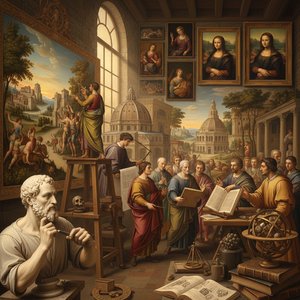
A Reneszánsz Öröksége: Innováció, Humanizmus és Mesterségbeli Tudás
Fedezze fel a reneszánsz gazdag örökségét! Mélyreható elemzésünk bemutatja a korszak humanizmusát, művészeti innovációit és legnagyobb mestereit. Ismerje meg a történelem e kulcsfontosságú időszakát!


The Enduring Legacy of Architecture in Art: A Historical Survey of Representation & Meaning
Explore the rich history of architecture in art, from Renaissance theory to 19th-century reconstructions. Discover key artists & movements shaping visual representation – a guide for discerning collectors.

The Enduring Legacy of Architecture in Art: A Historical Survey of Representation & Aesthetic Influence
Explore the rich history of architecture's influence on art! Discover Renaissance perspective techniques, symbolism, & iconic masterpieces. Enhance your understanding with our expert analysis.
Műalkotások gyűjteménye
Nincs találat a műalkotások között.


Iratkozzon fel hírlevelünkre!
Maradjon naprakész a legfrissebb művészeti hírekkel, exkluzív ajánlatokkal és dekorációs ötletekkel.
Szerezzen be 3 ingyenes művészeti javaslatot
Írja le nekünk projektjét, és művészeti szakértőink 3 személyre szabott műalkotási javaslatot készítenek Önnek.
Not Sure Where to Start?
Let Us Curate 3 Options Just for You - Free!