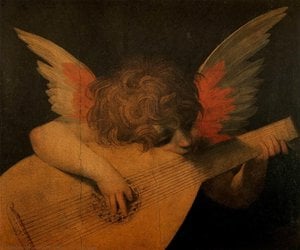
The Mannerist names to know

Famous Mannerist Festőalkotók: Our Top 71

If you remember one Mannerist festő, make it El Greco (1541–1614), the name behind A Szűz Mária tiszteletére (az Üdvözlő Szűz Mária) és Fray Hortensio Félix Paravicino. After that come Jacopo Tintoretto, Giuseppe Arcimboldo, Agnolo Bronzino és Sofonisba Anguissola. Our 71 picks go from Amico Aspertini (born 1475) to Cristofano Allori (born 1577), from 15 countries.

How we picked them. We list the artists our catalogue links to Mannerist, from the most famous down. Artists born after 1955 that we cannot yet check on Wikidata are left out. The Wikipedia number shows in how many of our 32 languages Wikipedia writes about them.

  1. A Szűz Mária tiszteletére (az Üdvözlő Szűz Mária), El Greco alkotása1El Greco
  2. Az utolsó vacsora (részlet), Jacopo Tintoretto alkotása2Jacopo Tintoretto
  3. A Könyvtár, Giuseppe Arcimboldo alkotása3Giuseppe Arcimboldo

Quick facts

Mannerist in a nutshell

  • 71Művészek
  • 1475–1577Születési év
  • 15Születési országok
  • 2Nők
  • 5 179Művek a katalógusunkban
A legtöbb születéssel rendelkező városok
Firenze (7), Florence (6), Bologna (5), Velence (3)
A legfontosabb művekkel rendelkező múzeumok
Kunsthistorisches Museum (22), Bavári Állami Festırménygyűjtemények (11), National Gallery (8), Museo del Prado (8)
Ezen a listán szereplő nők
Sofonisba Anguissola, Lavinia Fontana

Meet them one by one

The 71 famous Mannerist festőalkotók, from most famous down

1of 71

El Greco

Görög-spanyol From Iráklio Mannerizmus, Barrokok On Wikipedia in 31 of 32 languages

El Greco

Doménikos Theotokópoulos, akit a történelem El Greco néven említ, 1541-ben született a Kréta szigetén. Abban az időben a sziget a Velencei Köztársaság birtokában volt, egy olyan tény, amely később lehetővé tette számára, hogy összekapcsolja a keleti és a nyugati hagyományokat. A Velencei Köztársaságban Titian és Tintoretto műveivel találkozott, elszívva a színek mesteri használatát és a formák meghatározáséhez alkalmazott fények művészetét.

Works to know · Their 100 best-known works

2of 71

Jacopo Tintoretto

Olasz From Velence Manierista, velencei iskola On Wikipedia in 31 of 32 languages

Jacopo Tintoretto

Born Jacopo Robusti around 1518 in Venice, Italy, the man who would become known as Jacopo Tintoretto was shaped by the industrious atmosphere of his home.

See them at The Scuola Grande di San Rocco remains the most concentrated repository of his output, housing over sixty canvases that transform the building's halls into a cinematic experience of biblical narratives.

Works to know · Their 100 best-known works

3of 71

Giuseppe Arcimboldo

Olasz From Milánó Mannerizmus, Surrealizmus On Wikipedia in 30 of 32 languages

Giuseppe Arcimboldo

His path into the arts was a familial one, guided by his father, Biagio Arcimboldo, an artist who provided the essential foundation for his son's development. He sought the guidance of established masters, studying under the Milanese painter Giuseppe Meda and Bernardino Campi.

See them at The physical remnants of Arcimboldo’s imagination are scattered across Europe, preserved within the halls of institutions that once served the very courts he once entertained.

Works to know · Their 100 best-known works

4of 71

Agnolo Bronzino

Olaszország From Firenze Mannerizmus On Wikipedia in 29 of 32 languages

Agnolo Bronzino

Agnolo di Cosimo, akit a történelem Bronzinként ismer, 1503-ban született a reneszánsz Firenze vibráló művészeti tájában, egy olyan korszakban, amely már tele volt zsenialitással. Korai képzése Raffaellino del Garbo műtermében kezdődött, de Bronzino művészeti érzékisége valóban Jacopo da Pontormo tanításai alatt formálódott meg. Ezt az időszakot Andrea del Sarto mellett végzett tanulmányai is befolyásolták, amelyek során megismerhette Michelangelo és Leonardo da Vinci örökségét, alapvető hatások, amelyek finoman átszivárogtak érett stílusába.

Taught Alessandro Allori #20

Works to know · Their 100 best-known works

5of 71

Sofonisba Anguissola

Italian Renaissance From Cremona Mannerismo On Wikipedia in 29 of 32 languages

Sofonisba Anguissola

Amilcare Anguissola és Bianca Ponzoni gyermekeként, körülbelül 1532-ben született Cremonában, és ideje számára rendkívül progresszív nevelésben részesült. Apja, felismerve rendkívüli művészete lányaiban – Sofonisban, Elenában, Luciában és Europában –, megtörte a hagyományokat, és humanista oktatást biztosított nekik, amely mag包含了 latin nyelvtan, zene és, legfontosabbként, a rajz művészetét is.

Works to know · Their 100 best-known works

6of 71

Jacopo Pontormo

Olasz From Empoli Mannerizmus On Wikipedia in 28 of 32 languages

Jacopo Pontormo

Jacopo Carucci, akiket a történelem az emlékezetes Pontormo néven ismer, egy olyan művész volt, akinek ecsetje az átmenet legmélyebb lényegét örökítette meg. Pontorme kis toszkai falujában született körülbelül 1494-ben; korai éveket magány és melankólia mély érzése határoztak meg, tulajdonságok, amelyek később páratlan pszichológiai mélységet kölcsönöztek vászonainak.

Works to know · Their 100 best-known works

7of 71

Parmigianino

From Parma On Wikipedia in 28 of 32 languages

Parmigianino

Girolamo Francesco Maria Mazzola, akit a történelem Parmigianino néven – „Parma kisfia” – jegyez, a reneszánsz aranykorából bukkant fel, ám hamarosan meghatározó alakává vált a virágzó manierizmusnak. 1503. január 11-én született Parmában, és az életét korai családi veszteségek is árnyalták; édesapja, Filippo Mazzola mindössze két évesen elhunyt. Unokái, Michele és Pier Ilario, akik maguk is szerény képességű művészek voltak, nevelteték a fiatal Parmigianinót, aki kezdeti művészeti tanulmányait családjában folytatta.

Works to know · Their 100 best-known works

8of 71

Giorgio Vasari

Olasz From Arezzo Mannerizmus On Wikipedia in 31 of 32 languages

Giorgio Vasari

Giorgio Vasari, born in Arezzo, Tuscany, on July 30, 1511, was more than simply a painter; he was a quintessential embodiment of the Italian Renaissance spirit. Immersing himself within the dynamic circle of Andrea del Sarto and absorbing the influences of Rosso Fiorentino and Jacopo Pontormo, Vasari began a journey that would see him become one of the most influential figures of his era.

Taught Jacopo Zucchi #54, Federico Zuccari #41

Works to know · Their 100 best-known works

9of 71

Giulio Romano

Olasz From Róma Mannerizmus On Wikipedia in 28 of 32 languages

Giulio Romano

Giulio Romano, born Giulio Pippi around 1499 in Rome, emerged during a period of immense artistic ferment – a time when the Renaissance was reaching its zenith but also beginning to shift and transform.

Works to know · Their 100 best-known works

10of 71

Rosso Fiorentino

Olasz From Firenze Mannerizmus On Wikipedia in 27 of 32 languages

Rosso Fiorentino

Utazása, amelyet művészi felfedezések, politikai zűrzavar és végül 1540-ben, Fontainebleau-ban bekövetkezett korai halála jellemezett, maradandót hagyott az európai művészet történetében. Korai festményei, mint a Szent család Szent János keresztelőjével, már ezen megjelenő stílust és az érzelmi viharokat sugallják, amelyek későbbi, érett alkotásainak meghatározó jellegét jelentették. 1523-ban Rosso Rómába indult, egy olyan városba, amely tele volt művészeti energiával és Michelangelo, valamint Raphael monumentális teljesítményeivel.

Works to know · Their 100 best-known works

11of 71

Sebastiano del Piombo

Olasz From Velence Reneszánsz, Mannerizmus On Wikipedia in 23 of 32 languages

Sebastiano del Piombo

Sebastiano del Piombo, born Sebastiano Luciani around 1485 in the radiant heart of Venice, occupies a unique and often enigmatic position within the High Renaissance. The year 1511 marked a pivotal moment in Sebastiano’s career as he journeyed to Rome, a city then pulsating with artistic energy under the patronage of Popes Julius II and Leo X.

Works to know · Their 100 best-known works

12of 71

Hendrik Goltzius

Hollandi From Bracht Északi Mannerizmus On Wikipedia in 19 of 32 languages

Hendrik Goltzius

Hendrik Goltzius, a name synonymous with the vibrant dynamism of Northern Mannerism in Dutch art, was born in Braunschweig (Braunschweig), Germany, in 1558.

Works to know · Their 100 best-known works

13of 71

Domenico Beccafumi

Italian From Castelnuovo Berardenga Mannerismo On Wikipedia in 21 of 32 languages

Domenico Beccafumi

Siena közelében, Montaperto kis toszkai településén született körülbelül 1486-ban; Beccafumi művészi pályája a lenyűgöző fejlődés története volt, amely egy olyan stílus kialakulásához vezetett, amely áthidalta a magasan reneszánszi korszak és a manettista stílus felkelő, összetett világát. Eredetei szerények voltak: egy paraszt fiaként, Giacomo di Pace fiaként született, tehetségét azonban Lorenzo Beccafumi felismerte, aki felvette őt magának, és biztosította első művészati képzését Mechero-val, egy helyi sienai művészzel.

Works to know · Their 100 best-known works

14of 71

Pieter Aertsen

Hollandi From Amszterdam Mannerizmus On Wikipedia in 28 of 32 languages

Pieter Aertsen

Pieter Aertsen, a name often whispered in the halls of art history, stands as a pivotal figure bridging the gap between Northern Mannerism and the burgeoning realism of the Dutch Golden Age. Here, he joined the esteemed Guild of Saint Luke, earning the moniker “Langhe Peter,” or Tall Peter, reflecting his imposing stature, a detail often incorporated into his portraits.

Works to know · Their 100 best-known works

15of 71

Bartholomeus Spranger

Flandriák From Antwerpen Északi manierizmus On Wikipedia in 18 of 32 languages

Bartholomeus Spranger

Bartholomeus Spranger (1546-1611), egy olyan név, amely az északi manierizmus csarnagóiban zeng, nem csupán egy egyszerű festő volt; ő a művészeti érzéket alakító kulcsfontosságú alakja volt korabeli művészetének. Jan Mandijn, Frans Mostaert és Cornelis van Dalem alatt kapott kezdeti oktatás szilárd alapokat biztosított számára a tájfestészetben – ez pedig meglepő kiindulópont volt egy olyan művész számára, aki később az ártatag, rendkívül érzéki aktábrázolásáról vált világhírűvé.

Works to know · Their 100 best-known works

16of 71

Lavinia Fontana

Olasz From Bologna Mannerista, Barroque On Wikipedia in 26 of 32 languages

Lavinia Fontana

Lavinia Fontana, born in Bologna in 1552, emerged as a remarkable figure during the Renaissance—a period often celebrated for its male masters. Early works like “Monkey Child” (1575), though now lost, signaled the emergence of a unique talent, quickly followed by pieces demonstrating a growing mastery of technique and composition, such as "Christ with the Symbols of the Passion" (1576).

Works to know · Their 100 best-known works

17of 71

Federico Barocci

Olasz From Urbino Reneszánsz, Barokk On Wikipedia in 24 of 32 languages

Federico Barocci

Federico Fiori, ismertebb nevén Federico Barocci (1535-1612) az olasz reneszánsz egyik legkiemelkedőbb festője volt, akinek művészete a manierizmus kifinomultságát ötvözte a barokk érzelmi mélységével és drámaiságával. Később Rómába utazott, ahol Taddeo és Federico Zuccari műhelyében dolgozott, ami új horizontokat nyitott meg előtte. Első jelentős munkája, a Szent Margit ábrázolása a Szentség Társasága számára, már megmutatta tehetségét és ízlését. 1568-ban IV.

Works to know · Their 100 best-known works

18of 71

Hans Von Aachen

Német From Köln Manierista festészet On Wikipedia in 26 of 32 languages

Hans Von Aachen

Hans von Aachen, a német festész, 1552-ben született Köln városában. Festményeiben gyakran találkozhatunk megnyújtott alakokkal, bonyolult részletekkel és feszültséget sugárzó hangulattal, amelynek jelentős hatást gyakorolt El Greco (Domenikos Theotokopoulos) művite. Von Aachen művei számos múzeumban megtalálhatóak, köztük: Gemäldegalerie Alte Meister, Dresden, Németország – amely a 15. és 18. századi európai festészetet tartalmazó kiterjedt gyűjteményről híres.

Works to know · Their 100 best-known works

19of 71

Cristofano Allori

Olasz From Firenze Mannerizmus On Wikipedia in 23 of 32 languages

Cristofano Allori

A reneszánsz alkonyán, amint az előző évszázad kiegyensurált harmóniái átadták a manierizmus nyugtalan energiáját, Cristofano Allori egy vibráló hangszínként emelkedett ki a florentini iskola részeként. 1577-ben született egy művészeti tekintélyekkel teli városban, és már a születése óta a vászon hívta őt. Korai éveket édesapja, az elismert szobrász, Alessandro Allori árnyékában töltött, akinek szigorú oktatása mély tiszteletet vízselt a fiatal művészben az anatómiai precizitás és a szerkezeti integritás iránt.

Learned from Alessandro Allori #20

Works to know · Their 100 best-known works

20of 71

Alessandro Allori

Olasz From Firenze Mannerizmus On Wikipedia in 24 of 32 languages

Alessandro Allori

Alessandro Allori, born in Florence on May 31st, 1535, stands as a compelling figure within the late Mannerist school. He headed one of Florence's most important workshops alongside Santi di Tito, and his pupils included notable artists like Cristofano del Altissimo, Cesare Dandini, Aurelio Lomi, and his own son, Cristofano Allori, ensuring the continuation of this artistic lineage.

Taught Cristofano Allori #19

Works to know · Their 100 best-known works

21of 71

Niccolò Dell'Abbate

olasz From Modena Mannerizmus On Wikipedia in 25 of 32 languages

Niccolò Dell'Abbate

Niccolò Dell'Abbate, aki 1512 körül született Modenában, Olaszországban, az olasz manierista mozgalom egyik meghatározó alakjává vált. Művészeti pályája, amely Antonio Begarelli műtermébe való korai képzésektől a neves Château de Fontainebleau-ban töltött későbbi éveken át, egy lenyűgöző fejlődést mutat be, amelyet regionális hatások és a klasszikus ideálok mély ismerete formált.

Works to know · Their 100 best-known works

22of 71

Giovanni Battista Moroni

From Albino On Wikipedia in 16 of 32 languages

Giovanni Battista Moroni

Giovanni Battista Moroni (úgy is ismert, mint Giambattista Moroni) 1520-ben született Albino településében, Bergamo közelében, Olaszországban. Első szakmai tapasztalatait Brescia városában szerezte Alessandro Bonvicino, más néven Moretto tanítása alatt. Egy meghatározó pillanatot jelentett tartói időszakában Trento városában, ahol találkozott Tiziannal és Cristoforo Madruzzo gróf-püspökkel.

Works to know · Their 100 best-known works

23of 71

Benvenuto Cellini

From Firenze

Benvenuto Cellini

Benvenuto Cellini, a reneszánsz Itália egyik legkiemelkedőbb alakja, nem csupán egy művész volt – ötvös, szobrász, tervező, katona, zenész és író is egy személyben. Sienában dolgozott Fracastoro ötvös mellett, majd Bolognában is szerzett tapasztalatokat, mielőtt visszatért és Giovanbattista Sogliani műhelyében helyet kapott. A legkiemelkedőbb alkotásai közé tartozik a francia király, Ferenc I. számára készült Salt Cellar (Sótartó), egy lenyűgöző ezüstmű, mely aprólékos részletességgel és dinamikus figurákkal káprázata el az embert.

Works to know · Their 100 best-known works

24of 71

Francesco Salviati

From Firenze On Wikipedia in 17 of 32 languages

Francesco Salviati

Francesco Salviati, egy név, amely gyakran fonódik össze Cecchino del Salviati és Francesco Rossi nevével, a 16. századi olasz művészet vibráló szövetének kulcsfontosságú alakjaként áll mūsų előtt. Az artist körülbelül 1510-ben született Firenzében, s tragikus módon 1563-ban halt meg Rómában; életútja egy olyan utazás volt, amely a művészeti tanítványságon, a megbízásokon és végül a manierizmus drámai összetettségének mesteri szintű uralmán keresztül vezetett.

Works to know · Their 100 best-known works

25of 71

Giambologna

Flandriai From Douai Manierista szobrászat

Giambologna

Jean Boulogne, aki később Giambolognak hívták (1529–1608), az olasz reneszánsz és a barokk kor egyik legmeghatározóbb szobrásza. Flandériában, Douai városában született – ma már Franciaország területén –, művészeti útja Antwerpenben kezdődött, Jacques Du Broeucq tanítványaként, mielőtt 1550-ben átalakító jelentőségű döntés mellett döntött a római letelepedés mellett.

Works to know · Their 100 best-known works

26of 71

Karel Van Mander Iden

Flemish From Meulebeke Északi manierizmus On Wikipedia in 20 of 32 languages

Karel Van Mander Iden

Született: Mellebeke, Belgium (1548) Halott: 1606 Karel Van Mander Iden egy nemes család tagjaÍn született Meulebeke településében, Flandria grófskordában. Művészeti pályája még korán megkezdődött, amikor Lucas de Heere mentorja alatt, Gentben szerezte alapvető tudását (1568-1569), majd később Pieter Vlerickkel Kortrijkban finomította képességeit. Róma (1574-1577): A művész három évig tartó római tartózkodása alatt szoros kapcsolatba került a klasszikus művészettel, amely alapjaiban formálta meg esztétikai látásmódját.

Works to know · Their 100 best-known works

27of 71

Daniele Da Volterra

Olasz From Volterra Mannerizmus On Wikipedia in 17 of 32 languages

Daniele Da Volterra

Daniele Ricciarelli, aki körülbelül 1509-ben született az ősi etruszk városban, Volterrában, végül Daniele da Volterra néven vált ismertté – egy név, amely elválaszthatatlanul kapcsolódik mind a művészi zsenialitáshoz, mind a kontroversumokhoz. Kezdetben olyan siennese mesterek tanítványa volt, mint Il Sodoma és Baldassare Peruzzi, de pályája drasztikrát fordult, amikor Rómába utazott, ahol Michelangelo gravitációjának körzetébe került – egy olyan kapcsolódás, amely mélyen meghatározta művészeti fejlődését és végül örökségét is.

Works to know · Their 100 best-known works

28of 71

Jean Goujon

Francia From Normannia Maniérizmus

Jean Goujon

Jean Goujon (kb. 1510 – kb. 1567) a francia reneszánsz szobrászat és építészet egyik alapköve, művész, aki a maniertus stilisztikai lüktetését ötvözte az klasszikus eszmék mélységével. Művészeti felemelkedése a roueni katedrálisban (1541-42) kezdődött, ahol monumentális feladatot vállalt: Louis de Brézé, Anet urം sírmonumentumának megsculptálását – egy olyan megbízást, amely bemutatta fejlődő képességeit és ambícióit.

Works to know · Their 100 best-known works

29of 71

Prospero Fontana

Olasz From Bologna Késő reneszánsz és manierizmus On Wikipedia in 18 of 32 languages

Prospero Fontana

Born in Bologna in 1512, Prospero Fontana emerged as a pivotal figure within the vibrant artistic landscape of late Renaissance Italy. Subsequently, he honed his skills within the workshop of Perino del Vaga in Genoa, an experience that exposed him to the grandeur of papal commissions and the sophisticated aesthetics of Venetian art.

Works to know · Their 100 best-known works

30of 71

Joachim Wtewael

Holland From Utrecht Mannerizmus On Wikipedia in 14 of 32 languages

Joachim Wtewael

Joachim Anthonisz Wtewael neve a holland aranykor műkedvelői körében csak suttogva, csodálattal emlegetik, hiszen művészete minden egyszerű besorolást elleni, lenyűgöző erővel bír. 1566-ban született és 1638-ban távozott el ebből a világból, életmódja pedig ugyanolyan sokszínű volt, mint a vászonain megjelenő jelenetek. Életének fordulópontját az 1586-os év hozta meg, amikor utazásnak indult, átvándorolva Olaszországon és Franciaországon. Ennek ellenére, a különböző hatásoktól ellenére is, Joachim Wtewael egyedülálló belső iránytűvel rendelkezett.

Works to know · Their 100 best-known works

31of 71

Francesco Primaticcio

Italian From Bologna Mannerism On Wikipedia in 22 of 32 languages

Francesco Primaticcio

Francesco Primaticcio stands as a towering figure of the Italian Mannerist tradition, a polymath whose creative reach extended far beyond the canvas to encompass the realms of architecture and sculpture. Born in Bologna, Italy, his artistic journey began under the rigorous guidance of Giulio Romano in Mantua, where he absorbed the complex, tension-filled aesthetics that would later define his career.

Learned from Giulio Romano #9

Works to know · Their 100 best-known works

32of 71

Otto van Veen

Flemish From Leiden Mannerizmus On Wikipedia in 15 of 32 languages

Otto van Veen

His subsequent journey to Rome around 1574 or 1575 proved pivotal; immersing himself in the heart of the Italian Renaissance, he absorbed the stylistic nuances that would define his mature work—the elegance, the refined compositions, and the emphasis on idealized forms characteristic of Mannerism. His talent secured him a position as court painter to Alexander Farnese, Duke of Parma, governor of the Southern Netherlands, in Brussels.

Learned from Federico Zuccari #41

Works to know · Their 100 best-known works

33of 71

Luca Cambiaso

olasz From Moneglia Genovai iskola, manierizmus On Wikipedia in 15 of 32 languages

Luca Cambiaso

Luca Cambiaso (1527–1585) az olasz reneszáns művészet történetének kulcsfontosságú alakja, aki különösen a genovai festészetalapítás pionéros szerejétől vált ismertté. A Genovai Köztársaság egyik kis tengerparti településén, Monegliában született, és művészeti útja apja, Giovanni Cambiasi tanításán indult.

Works to know · Their 100 best-known works

34of 71

Giuseppe Cesari

Olasz From Arpino Mannerista On Wikipedia in 14 of 32 languages

Giuseppe Cesari

Giuseppe Cesari, aki Arpino telepén, körülbelül 1568-ban született, és tragikus módon, Rómában hunyt el 1640-ben, a magyar művészettörténet gazdag szövetében egy lenyűgöző, mégis néha rejtélyes alak maradt. Cesari korai évei még némi titokba burkolóznak, bár általánosságban elfogadott, hogy Arpino kis települése mellett, Róma és Nápoly között született. Kezdetben Benedetto Cesani sanzonált tanusa volt, aki a Vatikán freskóiról ismert, majd végül Carlo Maderno neves épészszel került kapcsolatba.

Works to know · Their 100 best-known works

35of 71

Francesco Bassano Az Ifjú

Olasz From Bassano del Grappa Velencei reneszánsz On Wikipedia in 12 of 32 languages

Francesco Bassano Az Ifjú

Francesco Bassano Az Ifjú története a származásról, a fényről és a velencei reneszánsz maradandó szellemének szól. Jacopo dal Ponte néven született Bassano del Grappa festői tájában, identitása pedig már a születésekor a mély művészeti dinasztia szövetei közé lett szövve.

Works to know · Their 100 best-known works

36of 71

Hendrick De Clerck

Flemish Late Mannerism

Hendrick De Clerck

Early Life & Training: De Clerck’s formative years are shrouded in obscurity, though evidence suggests he received training under Jan Brueghel the Elder, a titan of Flemish landscape painting and a pivotal influence on de Clerck's artistic approach. Brussels Court Painter: In 1594, De Clerck ascended to the prestigious role of court painter to Archduke Ernest I of Habsburg Austria, securing patronage that afforded him considerable freedom and resources.

Works to know · Their 100 best-known works

37of 71

Leandro Bassano

Olasz From Bassano del Grappa Manierizmus On Wikipedia in 13 of 32 languages

Leandro Bassano

Jacopo Carucci, aki Jacopo Pontormoként vált ismertté, a művészettörténet egyik legmélyebb és gyakran legzavarodottabb vonzerejű alakja marad. 1494-ben született az Empoli melletti kis toszkai településen, Pontorméban, s nem olyan hagyományos művészi nevelés várt rá.

Works to know · Their 100 best-known works

38of 71

Perino del Vaga

Italian From Florence Mannerist Painting On Wikipedia in 15 of 32 languages

Perino del Vaga

Pietro Buonaccorsi, known to history through the evocative moniker Perino del Vaga, remains one of the most captivating figures of the transition from the High Renaissance to the intricate complexities of Mannerism. Born in Florence around 1501 into a lineage of artistic talent, his very name— Vaga, meaning wandering or idle—suggests a restless creative energy that would eventually carry him far beyond the borders of his native Tuscany.

Works to know · Their 100 best-known works

39of 71

Stradanus

Flemish From Bruges Renaissance, 16th Century Painting On Wikipedia in 15 of 32 languages

Stradanus

Jan van der Straet, better known as Johannes Stradanus or Giovanni Stradano, was a pivotal figure in 16th-century European art, primarily recognized for his masterful depictions of mythological scenes, allegorical representations, and refined portraiture.

Taught Antonio Tempesta #56

Works to know · Their 100 best-known works

40of 71

Il Pordenone

Olasz From Pordenone Reneszánsz festészet On Wikipedia in 16 of 32 languages

Il Pordenone

Giovanni Antonio de’ Sacchis, aki világszerte Il Pordenone néven ismert, az olasz reneszánsz színpadára nem egy gondosan nevelt akadémikus válságként, hanem úgy robbant be, mint egy természetes erő. Körülbelül 1484-ben született Olaszország, Friuli-Visenza megyéjében; gyökerei nem a fennállásos művészeti központokban, Firenze vagy Róma városokban rejlettek, hanem Pordenone viszonylag provinciális településén, amely végzetesen meghatározta egyedi stílusát.

Works to know · Their 100 best-known works

41of 71

Federico Zuccari

Italian From Sant'Angelo in Vado Mannerism On Wikipedia in 18 of 32 languages

Federico Zuccari

Federico Zuccaro stands as a pivotal figure in the Italian Renaissance, specifically within the burgeoning Roman Mannerist movement. Their collaborative spirit yielded masterpieces such as “The Holy Family ” in Palazzo Vecchio, a work that serves as a testament to their unified artistic language. This ambition is perhaps most tangibly felt in Casa Zuccari in Florence, a residence built around 1578.

Learned from Giorgio Vasari #8

Works to know · Their 100 best-known works

42of 71

Cecchino Del Salviati

Olasz From Firenze Mannerista festészet

Cecchino Del Salviati

A вели Andrea del Sarto tanítás under befogadta a precíz realizmus és a kompozíciós elegancia alapjait, mégis rendelkezett azzal a veleszületett vágyal, hogy túllépjen elődei egyensúlyba helyezett harmóniáin, és valami sokkal kísérletezőbb, érzelmileg tel愈bb irányba terelje művészetét. Karrierje pályafutása körülbelül 1531-ben drasztikusan megváltozott, amikor az befolyásos kardinal Giovanni Salviati Rómába hívta.

Works to know · Their 100 best-known works

43of 71

Cornelis Ketel

Dutch From Gouda Mannerism On Wikipedia in 13 of 32 languages

Cornelis Ketel

His apprenticeship began at the young age of eleven with his uncle, Cornelis Jacobsz., a painter who instilled in him the fundamentals of the craft.

Works to know · Their 100 best-known works

44of 71

Gillis Mostaert

Flemish From Hulst Mannerism, Renaissance On Wikipedia in 8 of 32 languages

Gillis Mostaert

Born in the small Dutch town of Hulst around 1528, Gillis Mostaert the Elder emerged as a significant figure within the vibrant artistic landscape of Antwerp during the Renaissance. From approximately 1550, Gillis formally trained with the landscape painter Jan Mandijn, an influence that would become strikingly apparent in his own mature work.

Works to know · Their 100 best-known works

45of 71

Francesco Bacchiacca

Olasz From FLORENCIA Florentiner manierizmus On Wikipedia in 11 of 32 languages

Francesco Bacchiacca

Born Francesco d’Ubertino Verdi in Florence on March 1, 1494, and known universally as il Bacchiacca (meaning “the hunchback” – a nickname referencing his prominent nose), this Italian painter stands as a pivotal figure bridging the late Renaissance and the burgeoning Mannerism.

Works to know · Their 100 best-known works

46of 71

Scipione Pulzone

From Gaeta On Wikipedia in 11 of 32 languages

Scipione Pulzone

Scipione Pulzone (1544 – 1598. február 1.), aki Il Gaetano néven is ismert, a késő reneszánsz korszak egyik legkiemelkedőbb neapolitai festője volt. Gaetában született körülbelül 1550-ben, művészeti pályáját Rómában, Jacopino del Conte műterméke alatt kezdte meg. Pulzone pályája Nápoly, Firenze és Róma között terjedt el, ami rendkívül sokszínű művészeti örökséget eredményezett.

Works to know · Their 100 best-known works

47of 71

Santi di Tito

Italian From Florence Proto-Baroque & Counter-Maniera On Wikipedia in 14 of 32 languages

Santi di Tito

In the vibrant, shifting landscape of late 16th-century Italy, few figures played as pivotal a role in redefining the visual language of Florence as Santi di Tito. Between 1558 and 1564, di Tito’s presence was felt in the grand halls of Rome, where he worked alongside talented peers such as Giovanni de’ Vecchi and Niccolò Circignani.

Works to know · Their 100 best-known works

49of 71

Vincenzo Campi

Olasz From Cremona Flemish Style / Lombard Naturalism On Wikipedia in 13 of 32 languages

Vincenzo Campi

A 16. századi Cremona vibráló művészeti tájában, egy olyan korszakban, amelyet gyakran a manierizmus kifinomult mesterlegessége határoz meg, Vincenzo Campi a tisztaság és az igazság mély hangjaként emelkedett ki. Körülbelül 1536-ban született egy olyan családba, ahol az ecset volt a elsődleges nyelv, és Campi családi örökségének gazdag kreatív légköre formálta alakját.

Works to know · Their 100 best-known works

50of 71

Andrea Schiavone

Italian From Zadar Baroque Sculpture; Mannerism On Wikipedia in 14 of 32 languages

Andrea Schiavone

In the vibrant, sun-drenched tapestry of the sixteenth-century Venetian Republic, few names evoke as much intrigue and stylistic complexity as Andrea Schiavone. Born Andrea Meldolla, his very moniker—meaning "Andrew the Slav"—serves as a poetic testament to his dual identity. Though his roots lay in the Dalmatian city of Zara, now Zadar, Croatia, his artistic spirit was forged in the heart of Venice.

Works to know · Their 100 best-known works

51of 71

Jacopo Ligozzi

Olasz From Verona Késő reneszánsz és manierizmus On Wikipedia in 11 of 32 languages

Jacopo Ligozzi

Az olaszországi későreneszánsz és manierizmus vibráló, átalakító korszakában kevés alak embodiesította az esztétikai elegancia és a tapasztalati kíváncsiság találkozását olyan mélyen, mint Jacopo Ligozzi. 1547-ben Verona városában született, tisztelt művész, Giovanni Ermano Ligozzi gyermekeként, Jacopo már születése pillonatól fogva egy olyan világba született, ahol a kézműves precizitás és a vizuális történetmesélés alapvető fontosságú volt.

Works to know · Their 100 best-known works

52of 71

Bartolomeo Passarotti

Italian From Bologna Mannerism On Wikipedia in 10 of 32 languages

Bartolomeo Passarotti

In the vibrant, shifting landscape of the late sixteenth century, few artists captured the transition from the structured elegance of the High Renaissance to the dramatic intensity of the Baroque as skillfully as Bartolomeo Passarotti. Born in Bologna in 1529, Passarotti emerged not merely as a painter, but as a pivotal bridge between eras.

Works to know · Their 100 best-known works

53of 71

Andrea Vicentino

Italian From Vicenza Late Renaissance/Mannerist On Wikipedia in 5 of 32 languages

Andrea Vicentino

Under the watchful eye and expert tutelage of Giovanni Battista Maganza, Vicentino developed a command over monumental compositions and refined aesthetics that would later define his career. Known variously as Andrea Michieli or Michelli, his movement toward Venice in the mid-1570s marked a transformative era in his development. By 1583, he had officially registered with the Fraglia, the prestigious Venetian guild of painters.

Works to know · Their 100 best-known works

54of 71

Jacopo Zucchi

Italian From Florence Mannerist Painting On Wikipedia in 11 of 32 languages

Jacopo Zucchi

Jacopo Zucchi stands as a pivotal figure in the evolution of the Florentine Baroque, embodying the stylistic complexities and dramatic grandeur characteristic of Mannerism. Born in Florence around 1542, Zucchi’s formative years were deeply rooted in the prestigious artistic traditions fostered by Giorgio Vasari. His involvement in the decoration of the Palazzo Vecchio, specifically within the Studiolo and the Salone dei Cinquecento, showcased his ability to execute ambitious, large-scale commissions.

Learned from Giorgio Vasari #8

Works to know · Their 100 best-known works

55of 71

Domenico Tintoretto

olasz From Velence Mannerizmus On Wikipedia in 9 of 32 languages

Domenico Tintoretto

Mégis, a legendás Jacopo Tintoretto pályáján belül létezett egy finomabb, csendesebb csillanás is. Velence körül, 1560 körül született, Domenico az olajfesték illata és édesapja műhelyének drámai feszültsége között nőtt fel. Azonban míg az idősebb Robusti a mozgással és a skálával akarta lenakászolni a nézőt, Domenico a stillben, a mozdulatmentességben találta a szépséget.

Works to know · Their 100 best-known works

56of 71

Antonio Tempesta

Italian From Florence Mannerism On Wikipedia in 11 of 32 languages

Antonio Tempesta

Born in Florence in 1555, during a period marked by intense intellectual ferment and artistic experimentation, Tempesta’s career unfolded across the prestigious corridors of Italy and the vibrant art markets of Flanders. His formative years were shaped by the prestigious Accademia delle Arti del Disegno, where he enrolled in 1576.

Learned from Stradanus #39

Works to know · Their 100 best-known works

57of 71

Amico Aspertini

Olasz From Bologna Mannerizmus On Wikipedia in 11 of 32 languages

Amico Aspertini

Amico Aspertini, aki körülbelül 1474-ben született Bolognában, és 1552-ben hunyt el, a virtuóz festők egyik lenyűgöző alakjaként áll az olasz reneszánsz történetében – egy olyan művész, aki egyszerre jóslatta és dacolta az ideiglenes művészeti trendeket. Tan formaciónját éppen ebben a környezetben kezdte, befogadva a mesterek, mint Francia és Costa hatásait, ám hamar megalkotta saját, egyedi utját, amelyet egyfajta lázas energia és az ellentmondásos elemek befogadásának hajlandósága jellemezett.

Works to know · Their 100 best-known works

58of 71

Wenzel Jamnitzer

German From Vienna Northern Mannerism

Wenzel Jamnitzer

Wenzel Jamnitzer (circa 1507 – December 19, 1585) emerged from a distinguished Moravian German family known for its artistic endeavors under various spellings—Jamnitzer, Jemniczer, Gemniczer, and Jamitzer.

Works to know · Their 100 best-known works

59of 71

Vincenzo Scamozzi

Italian From Vicenza

Vincenzo Scamozzi

Born in Vicenza, Italy, he emerged from a lineage of builders, being the son of Gian Domenico Scamozzi, a surveyor and contractor who served as his first teacher. Following Palladio's death in 1580, Scamozzi found himself entrusted with several unfinished projects, most notably the prestigious Teatro Olimpico at Vicenza.

Works to know · Their 100 best-known works

60of 71

Domenico Fontana

Italian From Melide Late Renaissance

Domenico Fontana

Domenico Fontana, a name often overshadowed by the titans of the High Renaissance, stands as a pivotal figure in 16th-century Italian architecture and engineering. Born in Melide, a small village nestled on the shores of Lake Lugano in Switzerland – a region then caught between Swiss cantons and Italy – in 1543, Fontana’s life was one of relentless innovation and service to the Papal States.

Works to know · Their 100 best-known works

61of 71

Jan De Beer

From Antwerp Antwerp Mannerism On Wikipedia in 9 of 32 languages

Jan De Beer

Active primarily in Antwerp, he was a central protagonist in a loose but influential group of painters known as the Antwerp Mannerists. By 1504, he had achieved the prestigious status of master within the Antwerp Guild of Saint Luke, eventually rising to the esteemed position of dean. The work of Jan De Beer is characterized by a breathtaking marriage of Northern Renaissance realism and a burgeoning sense of theatricality.

Works to know · Their 100 best-known works

62of 71

Marcello Venusti

Italian From Mazzo di Valtellina Mannerist On Wikipedia in 10 of 32 languages

Marcello Venusti

Born near Como in the rugged terrain of Mazzo di Valtellina around 1512, Venusti emerged from the Italian foothills to become a vital conduit for the Mannerist aesthetic. This formative connection anchored him within the sophisticated stylistic currents of Rome, preparing him to translate the monumental language of the High Renaissance into the more stylized, elongated, and emotive vocabulary of Mannerism.

Works to know · Their 100 best-known works

63of 71

Toussaint Dubreuil

Francia From Párizs Fontainebleau Szkola; Mannerizmus; Itália művészete On Wikipedia in 8 of 32 languages

Toussaint Dubreuil

Toussaint Dubreuil (c. 1561 – 1602), a French painter born in Paris, stands as a pivotal figure within the Second School of Fontainebleau—a movement that skillfully blended the stylistic grandeur of Mannerism with the vibrant aesthetics of Italian Renaissance art.

Works to know · Their 100 best-known works

64of 71

Stummer Tibor

Swiss From Schaffhausen Mannerism On Wikipedia in 7 of 32 languages

Stummer Tibor

Stimmer Tobias, ki 1539-ben született a svájci Schaffhausen nyüzsgő városában, a mélyreható művészeti és vallási átalakulások korszakában emelkedett fel meghatározó alakként. Bár korai képzése körüli részletek még mindig kissé rejtélyesek, egyértelmű, hogy gyorsan kitért önmagát sokoldalú művészként, kezdetben både falmálkozóként, både portréfestőként tevékenykedve Svájcban és távolabb is – a strasbourgi vibráló utcáktól egészt Baden-Baden elegáns udvaraiig.

Works to know · Their 100 best-known works

65of 71

Jacopino del Conte

Italian From Florence Mannerist On Wikipedia in 10 of 32 languages

Jacopino del Conte

Jacopino del Conte (c. 1510 – 1598) stands as a compelling figure within the vibrant tapestry of 16th-century Italian art, a painter whose career unfolded across both the artistic heartland of Florence and the papal seat of Rome.

Works to know · Their 100 best-known works

66of 71

Paolo Fiammingo

Flemish From Antwerp Landscape with mythological and allegorical On Wikipedia in 8 of 32 languages

Paolo Fiammingo

The story of Paolo Fiammingo, born Pauwels Franck, is a captivating tale of artistic migration and the seamless blending of Northern precision with Italian grandeur. Emerging from the vibrant artistic traditions of Antwerp around 1540, this master crossed the Alps to find his true calling in the shimmering atmosphere of Venice.

Works to know · Their 100 best-known works

67of 71

Jacques Bellange

French From Bassigny Northern Mannerism On Wikipedia in 9 of 32 languages

Jacques Bellange

A master of the Northern Mannerist style, his life was lived in the twilight of the late Renaissance, a period defined by elongated forms, theatrical tension, and an almost feverish psychological intensity. Born around 1575 in the Bâse-les-Vosges region of France, Bellange emerged from a landscape of shifting borders and intense religious fervor, eventually finding his creative home within the sophisticated courtly circles of Nancy.

Works to know · Their 100 best-known works

68of 71

Girolamo Mazzola Bedoli

Italian From Parma Mannerist Painting On Wikipedia in 8 of 32 languages

Girolamo Mazzola Bedoli

In the vibrant, swirling currents of the Italian Mannerist period, few names capture the elegance and stylistic complexity of the Parma school quite like Girolamo Mazzola Bedoli. Born in Viadana around 1500, Bedoli emerged from a landscape deeply enriched by the artistic legacies of Lombardy and the sophisticated atmosphere of Parma.

Works to know · Their 100 best-known works

69of 71

Lelio Orsi

Italian From Novellara Mannerist On Wikipedia in 7 of 32 languages

Lelio Orsi

In the twilight of the Italian Renaissance, as the harmonious balance of High Renaissance classicism began to fracture into the restless energy of Mannerism, there emerged a voice from the fertile plains of Emilia-Romagna that captured the profound anxieties of a changing world. Born in the small town of Novellara around 1508 or 1511, Orsi navigated an era defined by shifting theological certainties and the complex intellectual currents of humanism.

Works to know · Their 100 best-known works

70of 71

Michele Tosini

Italian From Florence Renaissance and Mannerism On Wikipedia in 5 of 32 languages

Michele Tosini

In the vibrant, sun-drenched landscape of sixteenth-century Florence, a period where the boundaries between the earthly and the divine were often blurred by the brushstrokes of masters, emerged the distinctive talent of Michele Tosini.

Works to know · Their 100 best-known works

71of 71

Juan Correa De Vivar

Spanish From Mascaraque Renaissance, Mannerism On Wikipedia in 6 of 32 languages

Juan Correa De Vivar

Born around 1510 in Mascaraque, a small town in Castile, his life unfolded against the backdrop of a burgeoning artistic landscape shaped by both Renaissance ideals and emerging Mannerist sensibilities. Records indicate he joined the workshop of Juan de Borgoña in Toledo around 17 or 18 years old, an environment teeming with aspiring artists, including Pedro de Cisneros, a connection that undoubtedly shaped his artistic development.

Works to know · Their 100 best-known works

Pictures worth knowing

Famous Mannerist works to recognise

  1. A Szűz Mária tiszteletére (az Üdvözlő Szűz Mária), El Greco alkotása

    A Szűz Mária tiszteletére (az Üdvözlő Szűz Mária)

    El Greco

    1608 · Museo de Santa Cruz, Toledo

  2. Az utolsó vacsora (részlet), Jacopo Tintoretto alkotása

    Az utolsó vacsora (részlet)

    Jacopo Tintoretto

    1579 · Scuola Grande di San Rocco, Velence

  3. A Könyvtár, Giuseppe Arcimboldo alkotása

    A Könyvtár

    Giuseppe Arcimboldo

    1566

  4. Vénusz, Kupidón és Idő (A vágy alegóriája), Agnolo Bronzino alkotása

    Vénusz, Kupidón és Idő (A vágy alegóriája)

    Agnolo Bronzino

    1540 · National Gallery, London

  5. Portrait of the Artist's Sisters Playing Chess, Sofonisba Anguissola alkotása

    Portrait of the Artist's Sisters Playing Chess

    Sofonisba Anguissola

    1555 · Muzeum Narodowe w Pozaniu, Poznań

  6. A látomás, Jacopo Pontormo alkotása

    A látomás

    Jacopo Pontormo

    1528

  7. Madonna with the Long Neck, Parmigianino alkotása

    Madonna with the Long Neck

    Parmigianino

    1540

  8. Az Utolsó ítélet, Giorgio Vasari alkotása

    Az Utolsó ítélet

    Giorgio Vasari

    1572 · Duomo Firenze

When it happened

Mannerist, step by step

  1. 1526
  2. 1530
  3. 1536
  4. 1540
  5. 1540
  6. 1545
  7. 1551
  8. 1555
  9. 1566
  10. 1572
  11. 1579
  12. 1592
  13. 1595
  14. 1605

Fun figures

The numbers behind the list

Születési ország
Olaszország34
Italy14
Belgium4
Hollandia3
Franciaország3
Németország2
Netherlands2
Görögország1
Születési évtized
1470s2
1480s3
1490s5
1500s11
1510s10
1520s8
1530s7
1540s11
1550s7
1560s4
1570s3
A művek legfontosabb darabjait őrző múzeumok
Kunsthistorisches Museum22
Bavári Állami Festırménygyűjtemények11
National Gallery8
Museo del Prado8
Hermitaeus-múzeum7
Louvre Múzeum5
Galleria degli Uffizi4
Rijksmuseum4

Just the names

List of 71 famous Mannerist festőalkotók to know

  1. 1El GrecoEl GrecoGörög-spanyol · 1541–1614
  2. 2Jacopo TintorettoJacopo TintorettoOlasz · 1519–1594
  3. 3Giuseppe ArcimboldoGiuseppe ArcimboldoOlasz · 1527–1593
  4. 4Agnolo BronzinoAgnolo BronzinoOlaszország · 1503–1572
  5. 5Sofonisba AnguissolaSofonisba AnguissolaItalian Renaissance · 1532–1625
  6. 6Jacopo PontormoJacopo PontormoOlasz · 1494–1556
  7. 7ParmigianinoParmigianino1503–1540
  8. 8Giorgio VasariGiorgio VasariOlasz · 1511–1574
  9. 9Giulio RomanoGiulio RomanoOlasz · 1499–1546
  10. 10Rosso FiorentinoRosso FiorentinoOlasz · 1494–1540
  11. 11Sebastiano del PiomboSebastiano del PiomboOlasz · 1485–1547
  12. 12Hendrik GoltziusHendrik GoltziusHollandi · 1558–1617
  13. 13Domenico BeccafumiDomenico BeccafumiItalian · 1484–1551
  14. 14Pieter AertsenPieter AertsenHollandi · 1508–1575
  15. 15Bartholomeus SprangerBartholomeus SprangerFlandriák · 1546–1611
  16. 16Lavinia FontanaLavinia FontanaOlasz · 1552–1614
  17. 17Federico BarocciFederico BarocciOlasz · 1535–1612
  18. 18Hans Von AachenHans Von AachenNémet · 1552–1615
  19. 19Cristofano AlloriCristofano AlloriOlasz · 1577–1621
  20. 20Alessandro AlloriAlessandro AlloriOlasz · 1535–1607
  21. 21Niccolò Dell'AbbateNiccolò Dell'Abbateolasz · 1512–1571
  22. 22Giovanni Battista MoroniGiovanni Battista Moroni1525–1578
  23. 23Benvenuto CelliniBenvenuto Cellini1500–1571
  24. 24Francesco SalviatiFrancesco Salviati1510–1563
  25. 25GiambolognaGiambolognaFlandriai · 1529–1608
  26. 26Karel Van Mander IdenKarel Van Mander IdenFlemish · 1548–1606
  27. 27Daniele Da VolterraDaniele Da VolterraOlasz · 1509–1566
  28. 28Jean GoujonJean GoujonFrancia · 1510–1567
  29. 29Prospero FontanaProspero FontanaOlasz · 1512–1597
  30. 30Joachim WtewaelJoachim WtewaelHolland · 1566–1638
  31. 31Francesco PrimaticcioFrancesco PrimaticcioItalian · 1504–1570
  32. 32Otto van VeenOtto van VeenFlemish · 1556–1629
  33. 33Luca CambiasoLuca Cambiasoolasz · 1527–1585
  34. 34Giuseppe CesariGiuseppe CesariOlasz · 1568–1640
  35. 35Francesco Bassano Az IfjúFrancesco Bassano Az IfjúOlasz · 1549–1592
  36. 36Hendrick De ClerckHendrick De ClerckFlemish · 1570–1630
  37. 37Leandro BassanoLeandro BassanoOlasz · 1557–1622
  38. 38Perino del VagaPerino del VagaItalian · 1501–1547
  39. 39StradanusStradanusFlemish · 1523–1605
  40. 40Il PordenoneIl PordenoneOlasz · 1484–1539
  41. 41Federico ZuccariFederico ZuccariItalian · 1539–1609
  42. 42Cecchino Del SalviatiCecchino Del SalviatiOlasz · 1510–1563
  43. 43Cornelis KetelCornelis KetelDutch · 1548–1616
  44. 44Gillis MostaertGillis MostaertFlemish · 1528–1598
  45. 45Francesco BacchiaccaFrancesco BacchiaccaOlasz · 1494–1557
  46. 46Scipione PulzoneScipione Pulzone1550–1598
  47. 47Santi di TitoSanti di TitoItalian · 1536–1603
  48. 48Polidoro Da CaravaggioPolidoro Da CaravaggioOlasz · 1499–1543
  49. 49Vincenzo CampiVincenzo CampiOlasz · 1536–1591
  50. 50Andrea SchiavoneAndrea SchiavoneItalian · 1522–1563
  51. 51Jacopo LigozziJacopo LigozziOlasz · 1547–1627
  52. 52Bartolomeo PassarottiBartolomeo PassarottiItalian · 1529–1592
  53. 53Andrea VicentinoAndrea VicentinoItalian · 1542–1617
  54. 54Jacopo ZucchiJacopo ZucchiItalian · 1542–1596
  55. 55Domenico TintorettoDomenico Tintorettoolasz · 1560–1635
  56. 56Antonio TempestaAntonio TempestaItalian · 1555–1630
  57. 57Amico AspertiniAmico AspertiniOlasz · 1475–1552
  58. 58Wenzel JamnitzerWenzel JamnitzerGerman · 1507–1585
  59. 59Vincenzo ScamozziVincenzo ScamozziItalian · 1548–1616
  60. 60Domenico FontanaDomenico FontanaItalian · 1543–1607
  61. 61Jan De BeerJan De Beer1475–1528
  62. 62Marcello VenustiMarcello VenustiItalian · 1510–1579
  63. 63Toussaint DubreuilToussaint DubreuilFrancia · 1561–1602
  64. 64Stummer TiborStummer TiborSwiss · 1539–1584
  65. 65Jacopino del ConteJacopino del ConteItalian · 1510–1598
  66. 66Paolo FiammingoPaolo FiammingoFlemish · 1540–1596
  67. 67Jacques BellangeJacques BellangeFrench · 1575–1616
  68. 68Girolamo Mazzola BedoliGirolamo Mazzola BedoliItalian · 1500–1569
  69. 69Lelio OrsiLelio OrsiItalian · 1508–1587
  70. 70Michele TosiniMichele TosiniItalian · 1503–1577
  71. 71Juan Correa De VivarJuan Correa De VivarSpanish · 1510–1566

Good questions

What people ask about Mannerist

Read more

More stories on ArtsDot.com

Other styles

Famous artists of other styles

Other eras

Famous artists of other eras

Keep exploring

Where to go next