Korai élet, család és művészeti oktatás
Untermhaus, Németország, 1891. december 2. A környezet, amely alakította Otto Dix személyiségét, a kőkemény ipari munka és a csendes, lírai megzenélések öthelye volt. Apja, Franz Dix, egy vasöntőde munkása volt, egy olyan környezetben, amelyet a nehéz fizikai kimerülés határozott meg. Édesanyja, Louise, varrodoként foglalkozott, de benne ott volt a költészet hagyománya is. Ez a családi táj egyfajta finom feszültséget keltett a fizikai munka durvasága és a kreatív megnyilvánulás vágya között, amely később művészetének egyik alapvető motorjává vált.
A professzionális képzés útja 1906-ban indult el. Dix Carl Senff festőnél kezdett cselédsképzésen, egy olyan tanulási időszakban, amely 1910-ig tartott. Ez a formálódó képzés távolra vezette őt a családi szférától, a kézművesség technikai fegyelme felé. 1910-re Dix Drezdenbe költözött, hogy beindítsa tanulmányait a Kunstgewerbeschule-n, az intézményben, amely ma a Drezden Művészeti Főiskola (Dresden Academy of Fine Arts) nevében ismert. Korai szakmai fókuszát még nem a klasszikus festészet határozta meg, hanem az alkalmazott művészetek és a kézművesség, amely később mégis alapvető fontosságú maradt művészeti stílusának kialakulásában.
A világháború brutális valósága
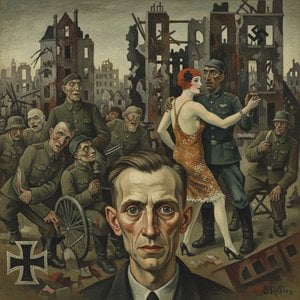
1914 augusztusa. A első világháború kitörése váratlan vágyat és hazafias lelkesedést gyújt meg a társadalomban. Dix önkénteskedik a német armáda szolgálatában, feladva a művészismert stúdiót a frontvonalak kegyetlensége cseréjére. Géppucserészként szolgál, szembenézve az Keleti és Nyugati front szervezt, gépies gyilkolásával. A háború itt nem csupán egy konfliktus, hanem a iszappangó, a rohadás és a megállíthatatlan szenvedés tája. A vérmegtörlő pusztításból túlél, és szolgálataért végül Vasakeresztet is elnyer.
A lövészárokban átélt élmények olyan pszichológiai sebet hagynak, amely nem akar gyógyulni. A gépies háborúvaszon experienced élménye egy központi, kísérteties jelenessé válik lélekében. A harc groteszk valóságának tanúja lesz: nem a propaganda higiert, megtisztított hősiességének, hanem a pusztítás bélbőréből származó, nyers igazságának. Ezek a borzalmas emlékek adják meg az alapanyagot későbbi művészetének. 1920 után Dix elkezdi átültetni ezt a traumát egy könyörtelen, antiháború vizuális nyelvbe.
Technika és művészeti stílus
Dix művészete a könyörtelen és éles realizmus lencséin keresztül ragyog. Elveti a romantika lágy kontúrait, és helyette egy stilisztizált realizmust választ, amely szembenáll a nézővel a német társadalom ridegségével. Keze klinikai precizitással mozdul el, legyen szó vászonra felvitt glazúrokról vagy a fémlapba vésős vonalakról. Ez a technikai szigor lehetővé teszi számára, hogy dokumentálja a Weimar-korszak fizikai és lelki romlását anélkül, hogy az absztrakció mögé bújna.
A műalany gyakran diktálja az üzenet intenzitását. Grafikai munkái során a száraztűzelés, az aquatinta és a metszet sofisticált kombinációját alkalmazza, hogy mély, tónusos árnyékokat és éles, metsző vonalakat érjen el. Ezek a módszerek apró részletekig terjedő részletességet tesznek lehetővé a háború és a városi élet ábrázolásában. A grafikai művek nehéz textúráin túl, ezüstceruzát is használ előkészített papíron, egy rendkívül k demanding technika, amely abszolút kontrollt igényel és nem hagy helyet a hibáknak. Művészete a festék szélesebb alkalmazása és a finom rajz aprigondos, szinte sebészsi precizitása között oszcillál.
- A Sárlyuk (kb. 1923)
- A skat-játékosok (1920)
- Sylvia von Harden újságíró portréja (1926)
- Metropolis (1928)
Főbb művek és remekművek
A Nagyhaború utáni időszak legmegrendültebb tükörét 1920-ban találjuk meg az A Skat-játékosok című alkotásban. Ez az olajvászonra készült mű a dadaista nézőponton keresztül örökíti meg a háború utáni Németország kétségbeesöttségét és társadalmi megrendülését, a nézőt egy küzdelemről és túlélésről szóló világba repítve. 1923-ra az alkotói fókusz a társadalmi feszültségektől a frontvonalak nyers, véres pusztítására terelőd. Az A lövészárok című mű azonnal megdondult a nyilvánosság körében, amikor először Kölnben kiállították; a konfliktus grafikus ábrázolása minden semmiféjű hősiességt, és azzal párhuzamosan a csatahelyszín brutális valóságát helyetállítja a romantizált képzeldoboz helyére.
1924-ben a háború intenzitása az A háború című sorozattal színházasodik, amely 50 darabból álló, tűszúrásos és akvatinthúzott metszetből áll. Ezek a grafikák könyörtelen tekintetet vetnek a gépies háború őrületére, ahol a grafikus művészet precizitása a kor fizikai és lelki hegyeivel confrontálja a nézőt. Az elengedhetetlen megfigyelés ezen időszaka az urbanisztikai tájra is kiterjed: 1926-os Sylvia von Harden újságíró portréja az akkori korszak specifikus karakterét ragadja meg. 1928-ra az alkotó tekintete már a város dekadenciájára irányul, amint a Metropolis először Drezdenben tűnik elő, egy éles bírálatként mutatva be a városi életet, amely a társadalmi idegenedés és a kicsapó életmód jeleneteit zúgja fel.
- A Skat-játékosok (1920)
- A lövészárok (1923)
- A háború (1924)
- Sylvia von Harden újságíró portréja (1926)
- Metropolis (1928)
Persecución és a késő évek
A politikai klíma 1933-ban drasztikusan megváltozik. A náci kötődésű Német Művészeti Társaság måljonásgá válik Otto Dix számára, művészetét pedig „szenvedett művészetként” (Entartete Kunst) olyas, ami azonnal súlyos következményekkel jár: eltávolítják a művésznek a drezdenai Képzőművészeti Akadémián innezett oktatói állását. A művész visszahúzódik az akkori politikai gyűlölet és vitriol mögé, és a Bodensee mellett fekvő kis Hemmenhofen településében keresi a magányt. Még ebben a csendes környezetben is fennmarad a feszültség; vallásos allegóriákat fest, amelyeket gyakran eszközként használ a rezsim titokban végrehajtott kritikájára.
A nyomogatás 1939-ben fokozódik. A Gestapo megveszed Dixet, mivel gyanúba veszik, hogy részt vett Hitler meggyilkolására irányuló összeesküdtekben. Két hétig tartó kihallgatás után végre felszabadítják. A második világháború árnyéka hatalmasra nő, és Dix a konfliktus elmúló hónapjaiban a Volkssturm-be esik. A háború káoszát túlélve végül újbóli elismerteként tér vissza a művészeti életbe a háború utáni Németországban. A kulturális tájegészítő meghatározó alakja marad a művészet világában, amíg el nem telik az élete, és 1969. július 25-én, Singenben, Hohentwielben nem hunyt el.
Örökség és globális hatás
Otto Dix a 20. századi német festészet egyik meghatározó alakja marad. Jelenléte a világ vezető művészeti intézményeiben, mint például a New York-i Museum of Modern Art állandó gyűjteményében, igazolja maradandó jelentőségét. A művész nem csupán egy korszakot dokumentálta; kényszerítette a nézőt a háború fizikai és lelki romjainak, valamint a Weimar Köztársaság erkölcsi összeomlásának szembenállására. Radírozásai, különösen a A háború című sorozata, a grafikai művészetegészségű remekművei közé tartoznak, amelyek a száraztűzelés és az aquatinta technikáját ötvözve képesék megörökíteni a lövészárkok viscerális, nyers valóságát.
Művészetének hatása a következő művészgenerációkon keresztül csillan meg. Akár társadalmi normák megkérdőjelezése, akár a nehéz igazságok szembenállása legyen a cél, a művésznek kompromisszumok nélküli realizmusa példát mutat. Dix túlment az expresszionizmus érzelmi absztrakcióján, és egy klinikai, gyakran kíméletlenül őszinte tisztaságot adot meg művészetének. Ez a megközelítés biztosítva uczenette, hogy a marginalizált rétegek küzdelmei és a konfliktusok sebei hosszú évekig láthatóak maradnak, még akkor is, ha a őket megszülő politikai tájak már längst átalakultak.
- A háború (1924)
- Metropolis (1928)
- A Skat-játékosok (1920)
Hol láthatjuk műveit ma?
Dix látásmódának fizikai nyomai ma is szétszóródva találhatók a világ jelentős művészeti intézményeiben. Londonban, a British Museum gyűjteményében őrzik az A háború című sorozatának teljes folio-metszeteket, amelyek közvetlen találkozást tesznek lehetővé a művész háborús megfigyeléseinek grafikus intenzitásával. A csatorna túl, Párizsban a Centre Pompidou őrzi az 1926-os Portrait of the Journalist Sylvia Von Harden című alkotást, amely a Weimar-korszak specifikus társadalmi atmoszféráját foglalja össze.
Művészetének haténya az Egyesült Államokig is elnyúlik, ahol a New York-i Modern Művészeti Múzeum (MoMA) őrzi az Shock Troops Advance under Gas című művet. Ez az alkotás a frontvonalak bélbőrülálló feszültségét hozza el a modern múzeum falai közé. Németországban az esseni Museum Folkwang ad otást az Nelly among Flowers című festménynek, amely egy teljesen más megközelítést nyújt a művész intim témakörök feldolgozására való képessége kapcsán.
- The Skat Players
- Pragerstrasse
- The Trench
Kérdések és válaszok
Otto Dix műveit színspektrum szerint is felfedezhetem?
A Színindex oldalon Otto Dix műveit szín szerint csoportosítva találhatja.
Hogyan követhetem Otto Dix munkásságát év évre bontva?
Elérhető egy időrendi áttekintés Otto Dix műveiről: a művész Műalkotások időrendje oldala a alkotások készítésének dátuma szerint rendszerezi a műveket.
Mennyire népszerűek Otto Dix művei?
Otto Dix számára elérhető egy Statisztikák oldal, amely statisztikákat mutat be a művész alkotmányairól a ez a weboldal felületén.