Ferdinando Ruggieri

1691 - 1741

Rövid tények

  • Copyright status: Public domain
  • Nationality: Olaszország
  • Top 3 works:
    • Santafelicitadifirenze
    • Complesso Di San Firenze
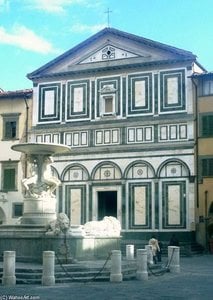
    • Empoli - La Collegiata Di S. Andrea E La Fontana Del Pampaloni
  • Lifespan: 50 years
  • Born: 1691, Florencia, Olaszország
  • Museums on this site: Groeningemuseum
  • Color intensity: monokróm

Ferdinando Ruggieri: Architect of Florentine Dreams

Ferdinando Ruggieri (1691-1741) stands as a pivotal, yet often understated, figure in the vibrant tapestry of 18th-century Italian Baroque architecture. Born in Florence during a period of intense artistic and architectural experimentation, Ruggieri’s career was marked by both innovative design and a deep respect for established traditions. While overshadowed by some of his contemporaries, his contributions to the city's skyline – most notably the facades of San Lorenzo and Santa Felicita – solidified his legacy as a master craftsman who shaped the visual identity of Florence during a transformative era. His work represents a fascinating blend of Baroque exuberance tempered with a refined sense of proportion and classical restraint, reflecting the evolving tastes of the time.

Early Influences and Apprenticeship

Ruggieri’s artistic journey began in his native Florence, where he received his initial training under Carlo Fontana, a leading architect of the period known for his commitment to classical principles. This early mentorship instilled in Ruggieri a foundational understanding of Roman architectural forms and a desire to integrate them into Italian Baroque design. However, Ruggieri’s style quickly diverged from Fontana's more rigid adherence to antiquity, developing a distinctly Florentine sensibility characterized by dramatic ornamentation, dynamic movement, and an expressive use of light and shadow. Crucially, his time with Fontana provided him with the technical skills – particularly in drawing and design – that would prove invaluable throughout his career. He wasn’t merely a draftsman; he was actively involved in preparing detailed plans and elevations for complex projects, gaining practical experience alongside theoretical knowledge.

Key Architectural Achievements

Ruggieri's architectural output is characterized by a remarkable diversity of styles and building types. He contributed significantly to the embellishment of several prominent Florentine churches, most notably the left facade of the Church of San Firenze (1715), a project that showcased his ability to seamlessly blend Baroque dynamism with classical elements. This façade, featuring soaring Corinthian columns and a richly decorated pediment, established Ruggieri’s reputation as a skilled designer capable of creating visually arresting and structurally sound buildings. His work on the Palazzo Capponi in Florence (begun around 1710) further demonstrated his versatility, incorporating intricate detailing and a harmonious balance between ornamentation and architectural form. Perhaps Ruggieri's most enduring legacy lies in his designs for the Church of Santa Felicita (1736-1738). This project represents the culmination of his artistic vision, showcasing his mastery of Baroque principles while simultaneously reflecting the influence of Palladianism. The church’s dramatic facade, with its contrasting marble panels and intricate sculptural program, is a testament to Ruggieri's ability to create a building that is both visually stunning and spiritually evocative. Similarly, his work on the collegiata of Empoli (1738) demonstrated his continued commitment to architectural innovation, while his involvement in remodeling the campanile of San Lorenzo (1740) underscored his importance within the city’s architectural landscape.

The Pianta Della Città di Firenze: A Cartographic Masterpiece

Beyond his building commissions, Ruggieri made a significant contribution to Florentine urban planning through his creation of the *Pianta Della Citta Di Firenze* (1731). This meticulously detailed map, considered a landmark achievement in cartography, offered an unprecedented level of accuracy and visual clarity. Ruggieri’s careful observation and artistic skill resulted in a comprehensive depiction of Florence's streets, palaces, gardens, and other key features – a document that would serve as the city’s official map for over 150 years. The map’s creation highlights Ruggieri’s intellectual curiosity and his desire to capture the essence of Florentine urban life.

Legacy and Influence

Ferdinando Ruggieri's impact on Florentine architecture extends far beyond the individual buildings he designed. He played a crucial role in shaping the city’s visual identity during a period of significant artistic and cultural change. His work exemplifies the Baroque style at its most refined, blending dramatic ornamentation with classical restraint to create buildings that are both visually stunning and structurally sound. While his name may not be as widely recognized as some of his contemporaries, Ruggieri's contributions continue to resonate in the architectural heritage of Florence, reminding us of the enduring power of a skilled architect’s vision. His legacy is further cemented by his detailed map, a testament to his artistic talent and his understanding of the city he called home.

Gyors kvíz

Minden kérdésre csak egy helyes válasz létezik.

Kérdés 1:
Ferdinando Ruggieri elsősorban melyik korszakban tevékenykedő építész volt?
Kérdés 2:
A következő épületekből melyikkelத் leginkább Ferdinando Ruggieri alakítása társítható?
Kérdés 3:
Mi volt Ruggieri építészeti stílusának egyik kulcseleme?
Kérdés 4:
Ruggieri munkája magában foglalt egy olasz város részletes terveinek elkészítését is. Melyik városról van szó?
Kérdés 5:
Az építészet mellett Ruggieri még milyen munkájáról ismert?

Kérdések és válaszok

Hol és mikor született Ferdinando Ruggieri?

Ferdinando Ruggieri Florencia városban született, 1691 évben.

Vásárolhatok egy Ferdinando Ruggieri festményének reprodukcióját?

Igen. Lásd a Ferdinando Ruggieri festményei alapján készült reprodukciókat, amelyek vászonra festve vagy nyomtatványként is elérhetőek.

Hogyan fejlődött Ferdinando Ruggieri művészete az idő múlásával?

Lásd Ferdinando Ruggieri pályafutását időszakokra bontva, az egyes fejezetek műveivel együtt.

Hol tekinthetők meg Ferdinando Ruggieri műveit szín szerinti csoportosítással?

Tekintse meg Ferdinando Ruggieri műveit szín szerint rendezve, a teljes színskálában.

Hol láthatom Ferdinando Ruggieri festményeit?

Ferdinando Ruggieri festményei Groeningemuseum helyszínen tekinthetők meg.

Melyik festményeiyle ismert Ferdinando Ruggieri?

Ferdinando Ruggieri a(z) Ferdinando Ruggieri leghíresebb festményei listában szereplő műveiről ismert.

Ferdinando Ruggieri művei a nyilvános vagyonba tartoznak?

Igen. Ferdinando Ruggieri 1741-ben halt meg, a művei pedig a szerzői jogi jogforrás (public domain) részét képezik.

Mikor halt meg Ferdinando Ruggieri?

Ferdinando Ruggieri 1741-ben, körülbelül 50 éves korában halt meg.

Mely történelmi korszakban alkotott Ferdinando Ruggieri?

Ferdinando Ruggieri a Korai modern kor korszakban alkotott. Ez az időszak a művész tevékenységét a történelembe helyezi.