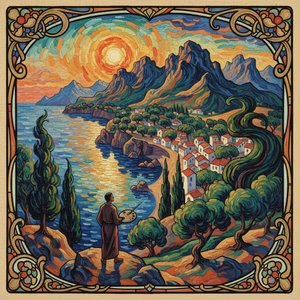
Kőbe és hitbe vésve: Antoni Gaudí világa
Antoni Gaudí i Cornet, a spanyol katalán Reus városában született 1852. június 25-én, nem csupán egy épész volt; ő egy vízióທີ, aki álmokat formált valósággá. Életútja ugyanolyan lenyűgöző és szokatlan, mint azok az épületek, amelyeken megmaradhatatlan nyomot hagyott. Katalónia dombos tájai és vad természeti környezete gyermekkora óta mélyen meghatározta művészeti érzékét. Már gyermekként is éles megfigyelőkészségével lenyűgözte környezetét, aprólékosan tanulmányozva a természet formáit és textúráit – ez az összpontosítás vált később egyedi építészeti nyelvének alapkövévé. Családi élete egyszerre volt biztonságos és korlátolt; rézkovácsa édesapja a kézműves munka becsületét magába oltotta, míg édesanyja állas katolikus hitessége olyan mély spirituális kapcsolatot szőtt benne, amely később műveiből is áradt. Ezek a korai tapasztalatok fektették le az alapokat egy olyan pályához, amely a művészet, a természet és a hit harmónizálására áldozott. Formális izgalmai a reusi Piarista iskolában kezdődtek, majd a barcelonai egyetemen folytatt라는 tanulmányai, végül a tartományi építészettan akadémiájában vette fel a diplomát, amelyet 1878-ban szerzett meg. Még egyetemi éveiben is nyilvánvalóvá vált Gaudí tehetsége, bár talán nem a hagyományos értelemben; tanárai elismerték képességeit, de gyakran nehezen tudták összeegyeztetni azt az akkori bevett normákkal. Tanulmányait Josep Fontserè i Mestres épész mellé dolgozva, rajztárként egészítette ki, olyan projektekben részt véve, mint a barcelonai Ciutadella Park – ez volt az első glimps azon városi tájakról, amelyeket később teljesen átalakított.
Egy egyedülálló vízió virágzása
Gaudí kezdeti megbízásai egy fejlődő stílust mutattak be, amely ügyesen ötvözte a történelmi hatásokat – a neogótikusot és az orientalizmust –, de éppen az a veleszületett képessége tette őt különlegessé, amellyel képes volt túlmutatni az utánzáson, és valami teljesen újat erscherei. A Casa Vicens (1883-188) korai tanúja ennek a fejlődő eredetiségnek, ahol ma Moors és neogótikus elemek fonódnak össze vibráló színpalettával és bonyolult részletekkel. Azonban az 1883-as Sagrada Família bazilika megkezdése volt az, amely valóban meghatározta életművét. Ami egy viszonylag hagyományos neogótikus projektként indult, az Gaudí irányítása alatt gyorsan átalakult egy merész, organikus remekművé – hitvallásává lenyűgözhetetlen víziójának és innovatív szerkezeti technikáinak. Nem csupán egy épületet tervezett, hanem egy „kőből készült Bibliát”, ahol minden egyes elem átjárta a vallási szimbolika. Ezzel párhuzamosan Gaudí olyan lakóépítészeti csodákat alkotott, mint a Casa Batlló és a Casa Milà (La Pedrera), amelyek 1904 és 1910 között készültek fel. Ezek az épületek dacoltak az építészeti konvenciókkal hullámzó homlokzataikkal, csontvázszerű formáikkal és a merev szimmetria elutasításával. Nem csupán épületek voltak, hanem élő szervezetek, amelyek egyed Mul szellemmel lélegztek. A 1 मद्देनülő Park Güell tovább példázta képességét, amellyel az építészetet a természettel integrálta, színes mozaikokat – saját, trencadís nevű technikáját alkalmazva – használva, hogy harmonikus, egyszerre játékos és mélyen spirituális tereket hozzon létre. Még korábbi művei, mint a Palau Güell (1886-1888) is megmutatták parabolaívekkel való kísérletezését és az innovatív anyaghasználatot, előrejegyezve a későbbi szerkezeti áttöréseket.
Természet, hit és innováció: Gaudí zsenialitásának oszlopai
Gaudí építészeti filozófiájának szívében a természet iránti rendíthetetlen tisztelet állt. Meggyőződése volt, hogy a természetes formák adják a tökéletes tervezés kulcsát; aprólékosan tanulmányozta a kagylóktól és fáktól kezdve az állati csontvázakig minden istot.
Tartós örökség: Gaudí hatása a világra
Antoni Gaudídt joggal tekintik a katalán modernizmus (Art Nouveau) legnagyobb képviselőjének, egy olyan mozgalomnak, amely a művészet és az építészet révén törekedett Katalónia különálló kulturális identitásának kialakítására. Művészete nem csupán épületek emeléséről szólt; tapasztalás létrehozásáról, érzelmek ébresztéséről és hazája szellemének ünnepléséről. Ma Gaudí hét remekműve – a Sagrada Família, a Park Güell, a Casa Batlló, a Casa Milà, a Palau Güell, a Casa Vicens és a Colonia Güelli kripta – a UNESCO Világörökség része, ami kiemelkedő egyetemes értékük tanúja. Hatása az építészetre messze túlmutat Spanyolországon; világszerte építészek és tervezők merítenek inspirációt innovatív formáiból, szerkezeti technikáiból és holisztikus tervezési megközelítéséből. Tragédián, Gaudí élete 1926. június 10-én megszakadt, amikor Barcelonában egy villamos megrombolta. Ironikus módon, szerény megjelenése miatt sokan csak szegény embernek hitték, ami késleltette az orvosi ellátást, amíg már túl késő nem volt. Halála ellenére a Sagrada Família építése részletesen kidolgozott tervei és modelljei alapján folytatódott, és most 2026-ra tervezik befejezni – halálának centenáriumára. Emellett a Katolikus Egyház 2003-ban megindította Gaudí szenttévetéssének folyamatát, elismerve mind mély hitét, mind rendkívüli művészeti hozzájárulását – méltó tiszteletadás annak az embernek, aki életét az égig érő monumentumok építésére szentelte.
Túl a tégla és a mortáralatt: Gaudí maradandó szelleme
- item-id="e229a1234f8b4da49bdd20320919631d5">Katalán identitás: Gaudí munkássága katalán kultúra szinonimává vált, kifejezve a függetlenség és a művészeti innováció szellemét.
- Építészeti forradalom: Megkérdőjelezte a hagyományos építészeti normákat, új szerkezeti technikákat vezetett be és befogadta az organikus formákat.
- Spirituális rezonancia: Mély hitet infused alkotásait vallási szimbolikával és a szentség érzésével.
- Tartós inspiráció: Gaudí tovább inspirálja az építészeket, művészeket és tervezőket világszerte, maradandó örökséget hagyva a modern művészet és építészet tájára.
Antoni Gaudí több volt, mint egy egyszerű épész; ő volt a kőből írt költő, egy vízióທີ, aki Barcelonát élő műalkotássá változtatta. Épületei nem csupán szerkezetek, hanem a képzelet erejének, a hitnek és a természet törhetetlen szépségének tanúfeit.
Gyakran Ismételt Kérdések
Hol találhatók Antoni Gaudí művei kulcsszavakra csoportosítva?
Antoni Gaudí műveinek keresése egy adott témában a művész Kulcsszavak alapján oldalán lehetséges, amely a alkotásokat kulcsszavak alapján csoportosítja.
Mely történelmi korszakban alkotott Antoni Gaudí?
Antoni Gaudí a 19. század korszakban alkotott. Ez az időszak a művész tevékenységét a történelembe helyezi.
Hol találhatók Antoni Gaudí művei témakör szerinti csoportosítással?
Antoni Gaudí Témakör-atlasz oldala olyan felület, amely a művész alkotásait témák szerint rendszerezi.
Szűrhetem Antoni Gaudí műveit szín alapján?
A Színspektrum index oldalon Antoni Gaudí műveit szín szerint csoportosítva találhatja.
Hány Antoni Gaudí alkotása tekinthető meg a katalógusban?
A 19 műalkotás darab alkotást Antoni Gaudí részéről a Összes műalkotás oldalon tekintheti meg.
Hol és 어느 해 született Antoni Gaudí?
Antoni Gaudí Reus városban született, 1852 évben.
What other names is Antoni Gaudí known by?
Antoni Gaudí is also known as Gaudi.
Honnan származik Antoni Gaudí?
Antoni Gaudí Spanyolország-ban született.