


 Megtekintés
 Küldés
 Megosztás
 Részletek

 Letöltés
 Hasonló darabok
 X-ray felvétel
 Diavetítés
Mary Isabella Grant


 Összes részlet megjelenítése
Kézzel készített olajfestmény reprodukció
Kézzel festett olajvastú vászon, az Ön által választott méretben és keretben, művészeink készítik meglévőre. ( Nyomat rendelése Kép letöltése)




P118B $10

P118H $10

P118W $10

P438Z $10

P508JH $12

P508YH $12

P805H $10

P805Z $10

P919BZ $10

P919G $10

P919XJ $10

P959ZH $10

P968JZ $12

W106C $8

W218G $10

W218JH $8

W218Y $10

W307PJ $10

W316G $10

W316PJ $8

W316Y $10

W398PJ $8

W4111J $10

W500HY $15

W500JH $15

W692G $12

W849H $8

W940BG $15

W953PJ $8




Válasszon előre meghatározott méreteink közül, amelyek megfelelnek a műalkotás eredeti arányainak.

Ön megadhat saját méreteket egy adott kerethez vagy térhez igazításhoz. Ha a kiválasztott méret nem egyezik az eredeti kép arányával, akkor a műalkotást levágjuk, vagy további kézzel festett elemekkel meghosszabbítjuk a festményt. A gyártás megkezdése előtt küldünk Önnek egy digitális előnézetet jóváhagyásra.
Kérjük, vegye figyelembe, hogy a képernyőn megjelenő előnézet nem tükrözi a tényleges vágást vagy kiterjesztést. Csak az előnézet fog pontosan mutatni a végső kompozíciót.
Bár egyedi méretek állnak rendelkezésre, javasoljuk, hogy válasszon egy méretet az előre meghatározott listából az eredeti arányok megőrzése érdekében.
A rendelést követően a ArtsDot.com csapata e-mailt küld az ügyfélnek az instrukciókért, és biztosít egy előnézeti képet (mockup).
Világszerte elérhető szállítás () 3-4 hét alatt a szokásos 5 hét helyett. (14 augusztus). A minőség nem kérdőjelezhető.

Ingyenes globális expressz szállítás

Prémium minőségű len vászon

Teljes körű szállítási biztosítás

Vámvisszatérítési Garancia

Hiteles színpontosság garancia

60 napos visszaküldési lehetőség (csak hibás termékek esetén)

100% pénzvisszatérítési garancia

Több darab vásárlása esetén kedvezmény
 Az üvegkeretes opció csak 110 cm alatti méretben érhető el

Mary Isabella Grant
Reprodukciós technika
Reprodukció mérete
-


Összesített ár
$ 263
A műalkotás leírása
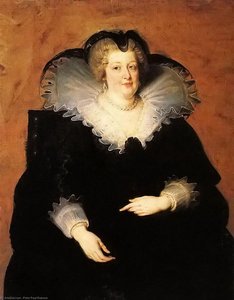
Mary Isabella Grant – Egy Megismerés Érzekében Ünnepélyes Színészettel
A festmény egy fiatal nő portréja, Mary Isabella Grant, aki profilnézetben nézőpontjából jelenik meg egy halk tájháttér előtt. Mély gondolatokat és viktoréli szépséget sugallva. Ez a művészi alkotás egy igazi különlegesség, melyet mindenképpen meg kell tanulmányozni és értékelni. A komposíció függőleges felépítésű, és az alak közepesen balra helyezkedik el. Szeme lefelé néz, koncentrálva a kötözési tevékenységére. Egy nagy, sötét faág foglalkodik jelentős részével a képernyő bal oldalán, ami vizuális támaszt és mélységet kölcsönöz az alkotásnak. Háta mögötti táj pedig halkan átlátszó, ami távolságot sugall. A színészettel tarkított tájháttér színezetét dominálják halk árnyalatok és fehér fények, melyeket erőteljes zöld és maró fehér színárnyalat erősíti meg. Szürke és fekete árnyalatok alkotják az előtér és ruházata hátterét, míg világosabb színeket használnak fel a bőr és a kötöző anyag színezetére. A festészet főként függőleges vonalakból áll, melyeket az alak kontúrusai és ruházatának részletei határoznak meg. Az ágazat erős vízszintes vonalakból épül fel, ami szemmel vetett kontrastív hatást keltve jelzi a nő testének puhább vonásait. Finom vonalak követik el a kötöző anyag textúráját. Az alak és ruházata geometriai formákat használ fel – az organikus formák közt elsősorban az emberi figura, valamint a tájföldi növényzet és a kötöző gömböt jelképező körös alak található meg. Szegélyező geometriai vonalak követik el a szal hajlatának mintázatát és egy mellékét tartalmazó téglás alakot. A festmény számos különböző textúrát mutat be. Az alak ruházata sima, mízont a kötöző anyag textúráját jelző festői érintések alkotják. Az ágazat pedig erőteljesebb vonalakból épül fel, hogy kifejezze az ödörös felszíneét. A tájháttér pedig átlátszó és halkan átlátszó, ami légkörös perspektívát eredményez. A fényforrás elsősorban a képernyő jobb oldaláról érkezik meg, mely felragyogtatja Mary Isabella Grant arcát és kezét, miközben az egész tájháttért árnyékba helyezi el. Ez egy dramatikus effektet keltve vonzza oda az figyelmet tevékenységére. A távolsági perspektívát alkalmazták a tájföldi hátterében, mely különösen nagy méretű alkotások esetében fontos szerepet játszik. Egy ilyen művészi alkotás megismerése és értékelése nem csak szórakozást jelenthet, hanem inspirációt is adhat az otthon dekorálásához és egy igazán kiváló minőségű reprodukció megvásárlásához.- Művészi Stílus: Viktoréli korszakbeli portréfestészet
- Festőtechnika: Olajfestés vászonra
- Érdekesség: Az alkotó egy kiváló szakember volt, aki nagy tudással és művészi érzékeléssel rendelkezett.
Hasonló műalkotások



A művész életrajza
A Life Dedicated to Portraiture and the Academy
Sir Francis Grant, a name synonymous with refined portraiture and dedicated service to the British art establishment, emerged as one of the most sought-after artists of his era. Born in 1803 into a landed family in Perthshire, Scotland, young Francis initially seemed destined for a career in law. However, the pull of artistic expression proved too strong to resist. Though largely self-taught, he briefly studied under Alexander Nasmyth in Edinburgh, laying an early foundation before forging his own distinctive path. This path wasn’t immediately clear; Grant's initial successes came with sporting scenes, capturing the energy and vibrancy of rural life. A pivotal moment arrived through his marriage, granting him access to the exclusive world of Melton Mowbray’s hunting set. There, he honed his skills under John Ferneley, a master of equestrian art, and began to specialize in depictions of horses and hounds – subjects that would initially define his reputation.Early Years and Artistic Foundations
Grant's formative years instilled within him a profound appreciation for observation and meticulous detail—qualities that would become hallmarks of his artistic style. His father, Francis Grant, Laird of Kilgraston, was a wealthy landowner with estates in Scotland and Jamaica, providing young Francis with considerable financial resources and fostering an environment conducive to intellectual pursuits. Despite eschewing the legal profession he initially envisioned, Grant’s passion for painting quickly superseded all other ambitions. He undertook preliminary studies under Alexander Nasmyth, Edinburgh's celebrated landscape painter, gaining invaluable insight into composition and tonal harmony—skills that would prove crucial in shaping his future artistic endeavors. This early exposure to artistic excellence undoubtedly influenced Grant’s aesthetic sensibilities, establishing a bedrock of knowledge upon which he would build his distinctive oeuvre.Sporting Scenes: Capturing Movement and Atmosphere
Grant's initial artistic explorations centered on sporting subjects – specifically fox hunting—a pastime deeply ingrained in Victorian society. His celebrated *Melton Breakfast* (1834), exhibited at the Royal Academy, exemplifies this early style perfectly. The painting captures a moment of convivial camaraderie amidst the excitement of the hunt, utilizing vibrant colors and dynamic brushstrokes to convey the palpable energy of the scene. Grant’s keen eye for capturing movement and atmosphere—traits honed through his own participation in hunting expeditions—became central to his artistic vision. This fascination with equestrian pursuits would continue throughout his career, resulting in numerous masterful depictions of horses and hounds that stand as enduring symbols of Victorian leisure and aristocratic culture. The meticulous rendering of textures and surfaces—particularly the dappled sunlight filtering through the trees—demonstrates Grant’s commitment to realism and contributes significantly to the immersive quality of his paintings.The Equestrian Portraiture Tradition: Graceful Majesty
Grant swiftly ascended to prominence as a portrait painter, establishing himself amongst the foremost artists of his time. His ability to transcend mere likeness—to convey not just physical appearance but also character and social standing—was particularly valued in an era obsessed with status and image. Commissions poured in from the British aristocracy and political elite, including the ultimate accolade: portraits of Queen Victoria herself. *Queen Victoria Riding Out* (1840), displayed at the Royal Academy, exemplifies Grant’s mastery of equestrian portraiture—a genre that demanded technical skill and artistic sensitivity. The painting portrays Victoria astride a horse in Windsor Great Park, accompanied by Lord Melbourne and other dignitaries, capturing both regal dignity and understated elegance. Grant skillfully employed chiaroscuro—the dramatic interplay of light and shadow—to sculpt the figures against the backdrop of the park landscape, creating an image that embodies Victorian grandeur. His portraits of Lady Glenlyon (1842) solidified his reputation as a portraitist of distinction, demonstrating his ability to capture inner beauty alongside outward appearance.Royal Patronage and Artistic Legacy
Grant’s artistic success was recognized by the Royal Academy, which elected him an associate in 1842—a prestigious honor reflecting his considerable achievements. Subsequently, he became president of the academy in 1866, following the death of Charles Eastlake, marking a pivotal moment in Grant’s career and cementing his influence within British artistic circles. During his presidency, Grant championed innovative approaches to art exhibitions, introducing the concept of “loan exhibitions”—a groundbreaking practice that broadened access to masterpieces from across Europe and invigorated public engagement with art. He skillfully navigated the complexities of Victorian society, fostering a supportive environment for artists while simultaneously upholding traditional values. His enduring legacy resides not only in his impressive body of work—spanning sporting scenes and aristocratic portraits—but also in his transformative role as president of the Royal Academy, shaping the trajectory of British artistic life for decades to come. Grant’s paintings continue to inspire admiration and scholarly study today, serving as invaluable documents of Victorian culture and artistry. His meticulous technique and profound understanding of human psychology ensured that his images would endure through time
Sir Francis Grant
1803 - 1878 , Egyesült Királyföld
A művészről röviden
- Artistic Movement Or Style: Neoclassical, Romanticism
- Artists Or Movements Influenced By This Artist:
- Martin Archer Shee
- Solomon Hart
- Artists Who Influenced This Artist:
- Alexander Nasmyth
- John Ferneley
- Date Of Birth: 18 Jan. 1803
- Date Of Death: 5 Oct. 1878
- Full Name: Sir Francis Grant
- Nationality: Scottish
- Notable Artworks:
- Melton Breakfast
- Lady Glenlyon
- Queen Victoria Riding
- Place Of Birth: Edinburgh, United Kingdom
Kapcsolódó cikkek

Sir Joshua Reynolds legszebb művei: Klasszikus portrék és a brit arisztokrácia ragyogása – ArtsDot
Fedezze fel Sir Joshua Reynolds 25 legszebb művét! Klasszikus portrék, brit arisztokrácia és a 18. század festészete – ArtsDot minőségi reprodukciókkal. Elegáns otthoni dekorációhoz inspiráló képek és vászonképek. Böngéssze gyűjteményünket online!

Francis Bacon legkiemelkedőbb művei: 25 lenyűgöző alkotás a modern művészetben | ArtsDot.com
Fedezze fel Francis Bacon 25 legkiemelkedőbb művét! Ismerje meg a modern művészet ikonikus festőjének sötét, érzelmes világát. Vászonképek, portrék és absztrakt alkotások – inspiráció otthonába. ArtsDot.com: múzeumi minőségű reprodukciók és exkluzív dekorációk online.

Sir Francis Grant: Portraiture, Patronage & Victorian Society
Explore the life & work of Sir Francis Grant, a leading Victorian portraitist. Discover his aristocratic clientele, role at the Royal Academy, and enduring artistic legacy. Learn about art patronage in 19th-century Britain.
Sir Alfred James Munnings legszebb 25 festménye – A vidéki Anglia és a lovak mestere | ArtsDot
Fedezze fel Sir Alfred James Munnings 25 legszebb festményét! Ismerje meg a vidéki Anglia és a lovak mesterének életművét, technikáját és inspirációit. Vásároljon exkluzív reprodukciókat a ArtsDot.com-on – múzeumi minőségben!

Sir John Watson Gordon: A Study in Scottish Landscape Painting & Tonal Impressionism
Explore the captivating portraits of Sir John Watson Gordon, a leading Scottish master. Discover his evolution from neoclassical style to atmospheric Tonalism and influence on 19th-century British art. Learn about his iconic sitters & legacy.



