

 Előnézet
 Megosztás
 Megosztás
 Részletek

 Letöltés
 Hasonló alkotások
 X-ray felvétel
 Diavetítés
Mary Stevenson Cassatt


 Tovább olvasom
Kézzel készített olajfestmény reprodukció
Kézzel festett olajvastú vászon, az Ön által választott méretben és keretben, művészeink készítik meglévőre. ( Váltás nyomtatványra Képváltás)




P118B $10

P118H $10

P118W $10

P438Z $10

P508JH $12

P508YH $12

P805H $10

P805Z $10

P919BZ $10

P919G $10

P919XJ $10

P959ZH $10

P968JZ $12

W106C $8

W218G $10

W218JH $8

W218Y $10

W307PJ $10

W316G $10

W316PJ $8

W316Y $10

W398PJ $8

W4111J $10

W500HY $15

W500JH $15

W692G $12

W849H $8

W940BG $15

W953PJ $8




Válasszon előre meghatározott méreteink közül, amelyek megfelelnek a műalkotás eredeti arányainak.

Ön megadhat saját méreteket egy adott kerethez vagy térhez igazításhoz. Ha a kiválasztott méret nem egyezik az eredeti kép arányával, akkor a műalkotást levágjuk, vagy további kézzel festett elemekkel meghosszabbítjuk a festményt. A gyártás megkezdése előtt küldünk Önnek egy digitális előnézetet jóváhagyásra.
Kérjük, vegye figyelembe, hogy a képernyőn megjelenő előnézet nem tükrözi a tényleges vágást vagy kiterjesztést. Csak az előnézet fog pontosan mutatni a végső kompozíciót.
Bár egyedi méretek állnak rendelkezésre, javasoljuk, hogy válasszon egy méretet az előre meghatározott listából az eredeti arányok megőrzése érdekében.
A rendelést követően a ArtsDot.com csapata e-mailt küld az ügyfélnek az instrukciókért, és biztosít egy előnézeti képet (mockup).
Világszerte elérhető szállítás () 3-4 hét alatt a szokásos 5 hét helyett. (5 augusztus). A minőség nem kérdőjelezhető.

Ingyenes globális expressz szállítás

Prémium minőségű len vászon

Teljes szállítási biztosítás

Vámvisszatérítési Garancia

Tökéletes színpontosság garancia

60 napos visszaküldési lehetőség (csak gyártási hibák esetén)

100%-os pénzvisszatérítési garancia

Kedvezmény több termény esetén
 Az üvegkeretes opció csak 110 cm alatti méretben érhető el

Mary Stevenson Cassatt
Reprodukciós technika
A reprodukció mérete
-


Összesített ár
$ 288
A műalkotás leírása
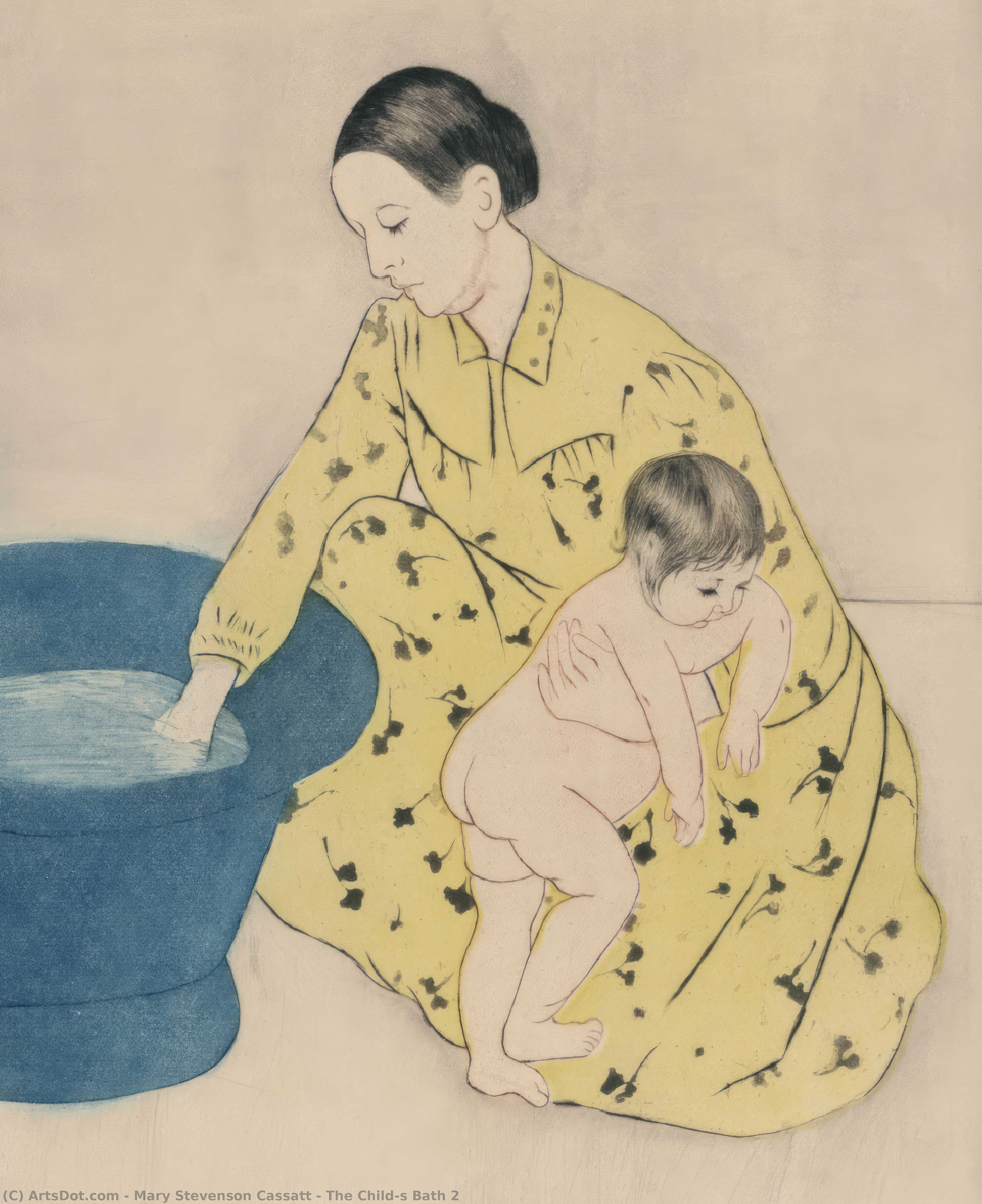
Egy meghitt pillanat a mindennapokban – Mary Cassatt „A gyermek fürdője 2”
Mary Cassatt műve, az „A gyermek fürdője 2”, nem csupán egy anya és gyermeke ábrázolása; ez egy érzékeny pillanat megörökítése a családi élet intimitásából. A festmény Cassatt jellegzetes stílusát tükrözi, amelyben a finom érzelmek, a melegséget sugárzó hangulat és a nyugodt elegancia ötvöződik. Az alkotás tökéletes központi eleme lehet bármely gyűjteménynek vagy belső térnek, nyugalmat és meghitt atmoszférát teremtve.
Impresszionizmus és Japonizmus – Egyedi szintézis
A 19. század végének impresszionista áramlatában alkotott mű Cassatt egyéni stílusjegyeit hordozza magán. Bár megosztja az impresszionisták pillanatnyi benyomásokra való fókuszát és szubjektív látásmódját, mélyen érintett a *Japonizmus* – a nyugati művészet japán művészettel való elragadtatása. Cassatt rendkívül inspirálódott az *ukiyo-e* fametszetekből, átvéve lapos perspektívájukat, meredek vonalaikat és egyszerűsített formáit. Ez a keveredés egyedi esztétikát eredményez, amely megkülönbözteti műveit a hagyományos akadémiai festészettől, frissítő eltérést kínálva a megszokottól.
Technika és anyagok – A grafikai technikák visszhangjai
Bár gyakran festőnőként emlegetik, Cassatt gyakran kölcsönzött technikákat vett át a grafikai művészetből kompozícióiban. Az alkotás vizuális jellege utal olyan nyomdatechnikai eljárásokra, mint a litográfia vagy az akvatinta színmosással. Ez az eljárás lapos, vibráló, ám harmonikus színeket eredményez erős vonalak határozzák meg, mintha fametszetről lenne szó. Az effektus elegáns egyszerűség és grafikai tisztaság, amely kiemeli a formát a részletes realizmus helyett.
Történelmi kontextus – A művészeti konvenciók megkérdőjelezése
Mary Cassatt kulcsfontosságú alakja volt a 19. század végi művészetnek. Az Amerikából Párizsba emigrált művésznő határozottan és tehetségesen navigálta a túlnyomórészt férfiak által dominált művészeti kört, és meghatározó tagja lett az impresszionista mozgalomnak, kiállítva Degas, Monet és Renoir mellett. Azonban sok kortársától eltérően Cassatt a családi életre koncentrált, felemelve a nők és gyermekek élményeit olyan témává, amely méltó volt komoly művészi megfontolásra – egy merész lépés, amely kihívta a meglévő társadalmi normákat.
Szimbolizmus és érzelmi rezonancia
A fürdés maga szimbolikus jelentőséggel bír, tisztulást, megújulást és sérülékenységet képviselve. Az anya gyengéd érintése és fókuszált figyelme a szülő-gyermek kapcsolat mély kötődését fejezi ki, melegséggel, nyugalmmal és csendes eleganciával átitatva. A mű nem csupán egy mindennapi jelenet ábrázolása; az érzelmek gazdagságát idézi fel a szeretet, a védelem és a gondoskodás érzését. Ez a darab több mint egy esztétikai tárgy; egy meghitt pillanatra nyíló ablak, az anyaság ünneplése és Cassatt innovatív művészi látásmódjának bizonyítéka. Legyen szó nappaliban, hálószobában vagy dolgozószobában, nyugtató jelenléte és kifinomult stílusa gazdagítja bármilyen belső teret, vizuális örömet és érzelmi rezonanciát nyújtva évekig.
Hasonló műalkotások



A művész életrajza
A Life Dedicated to Impressionism and Domesticity
Mary Stevenson Cassatt, a name forever linked with intimate portrayals of women and children within the radiant world of late 19th-century Impressionism, forged an exceptional path as an American artist who discovered her artistic sanctuary in France. Born on May 22, 1844, in Allegheny City, Pennsylvania – now part of Pittsburgh – Cassatt’s upbringing was steeped in privilege and a cultivated awareness of culture. Her family, with roots tracing back to French Huguenots, placed high value on education and travel, instilling within young Mary a cosmopolitan perspective that would profoundly shape her artistic vision. While societal norms often confined women to domestic spheres, Cassatt's mother, Katherine Kelso Johnston, actively encouraged her daughter’s burgeoning interest in art, recognizing and nurturing a talent that defied convention. This early support proved invaluable as Cassatt navigated the challenges of pursuing a professional career within a male-dominated field.
From Philadelphia to Parisian Immersion
Cassatt's formal artistic training commenced at the Pennsylvania Academy of the Fine Arts in Philadelphia at the age of fifteen, a bold step for a young woman during the Civil War era. Despite encountering skepticism and subtle discouragement from some instructors and fellow students, she persevered through years of diligent study. However, feeling constrained by the academy’s deliberate pace and traditional methods, Cassatt sought broader horizons. A pivotal moment arrived in 1866 when she relocated to Paris, accompanied by her mother and family friends as chaperones. This move marked a turning point in her artistic development. She studied privately with established artists affiliated with the École des Beaux-Arts, including Jean-Léon Gérôme, absorbing technical skills while simultaneously immersing herself in the burgeoning Parisian art scene. It was during this period that Cassatt began to gravitate toward the innovative ideas of the Impressionists, a group challenging academic conventions and striving to capture the fleeting moments of modern life. A particularly significant relationship blossomed with Edgar Degas, who recognized her exceptional talent and invited her to exhibit alongside the Impressionist circle. Their connection extended beyond exhibition; Degas became a mentor, encouraging Cassatt’s exploration of printmaking techniques, especially color aquatint, which would become an integral part of her artistic repertoire. He profoundly influenced her compositional choices, particularly in his emphasis on asymmetrical arrangements and cropped figures – elements that would come to define her unique style.
Capturing Modern Womanhood: Style and Themes
Cassatt’s artistic style evolved to embrace the hallmarks of Impressionism – visible brushstrokes, a focus on light and color, and a commitment to depicting contemporary life. Yet, she infused her work with a distinct clarity and precision that set it apart from some of her contemporaries. Unlike many male Impressionists who favored landscapes or Parisian nightlife, Cassatt centered her art around the social and private worlds of women, particularly mothers and children. She portrayed scenes of domesticity – bathing rituals, tea parties, quiet moments of connection – with remarkable intimacy and psychological depth. Her paintings are not merely depictions of everyday life; they are sensitive explorations of maternal bonds, female relationships, and the complexities of modern womanhood. Key works like The Boating Party (1894), The Child’s Bath (in various versions), and Little Girl in a Blue Armchair exemplify her ability to capture fleeting moments with both technical skill and emotional resonance. Furthermore, Cassatt was deeply influenced by Japanese *ukiyo-e* woodblock prints, evident in her compositions’ flattened perspective, bold color choices, and elegant simplicity. This Japonisme influence added another layer of sophistication to her already distinctive style, influencing her use of pattern and the arrangement of forms within a space. She admired the way these prints captured everyday life with such directness and grace, qualities she sought to emulate in her own work.
Historical Significance and Legacy
Mary Cassatt’s contributions to the art world extend far beyond her captivating paintings and masterful prints. Often recognized as one of the “three great ladies” of Impressionism, alongside Berthe Morisot and Marie Bracquemond, she shattered barriers for women artists and paved the way for future generations. She played a vital role in bridging American and European art, introducing Impressionist ideas to an American audience and significantly contributing to the development of American Impressionism. Her work offered a nuanced and sympathetic portrayal of women’s lives during a period when they were often marginalized or stereotyped in art. Her depictions of motherhood are particularly celebrated for their honesty and emotional depth, challenging conventional representations and celebrating the strength and tenderness of maternal love. She was also an early adopter of printmaking as a serious artistic medium, pushing the boundaries of color aquatint and drypoint. Cassatt’s legacy endures not only through her iconic artworks but also through her pioneering spirit and unwavering commitment to her artistic vision. Her story serves as an inspiration for artists and individuals alike, demonstrating the power of pursuing one's passions in a world often resistant to change.
Further Exploration
- Online Resources: Explore Mary Cassatt’s life and work further through resources like Wikipedia (https://en.wikipedia.org/wiki/Mary_Cassatt) and ArtsDot.
- Museum Collections: Discover her masterpieces in renowned museums worldwide, including the Art Institute of Chicago and the National Portrait Gallery in London.
- Related Artists: Delve into the works of Edgar Degas, Berthe Morisot, and Marie Bracquemond to understand the broader context of Impressionism and the contributions of women artists during this period.

Mary Stevenson Cassatt
1843 - 1926 , Egyesült Államok
Rövid tények
- Artistic Movement Or Style: Impressionista
- Artists Or Movements Influenced By This Artist: ['Amerikai Impressionista']
- Artists Who Influenced This Artist:
- Degas
- Géróme
- Date Of Birth: 1844. május 22.
- Date Of Death: 1926. június 14.
- Full Name: Mary Stevenson Cassatt
- Nationality: Amerikai
- Notable Artworks:
- A Boating Party
- Gyermek fürdő
- Kislány kék székben
- Place Of Birth: Pittsburgh, USA
Kapcsolódó cikkek

Mary Cassatt: Modernity, Motherhood & the Impressionist Gaze – A Timeless Legacy
Explore the life & art of Mary Cassatt, a pivotal American Impressionist renowned for intimate portrayals of women & children. Discover her unique style, legacy, and groundbreaking techniques at ArtsDot.

A impresszionizmus 10 legikonikusabb mesterműve – ArtsDot.com
Fedezze fel a 10 legikonikusabb impresszionista mesterművet! Monet, Degas és Renoir alkotásainak története, technikája és időtálló szépsége. Vászonképek, faliképek – inspirálódjon otthon dekorációjához a ArtsDot.com kínálatából! Fedezze fel a teljes gyűjteményt online.

Renoir Mesterek: A 25 Leglenyűgözőbb Kép a Francia Impresszionizmus Gyöngyszemeiből | ArtsDot
Fedezze fel Pierre-Auguste Renoir 25 legszebb művét! Ismerje meg az impresszionizmus gyöngyszemeit, a színek és fény játékát. Vásároljon exkluzív Renoir reprodukciókat otthonába a ArtsDot.com kínálatából – minőségi faliképek és inspiráló dekoráció.

A 10 legikonikus impresszionista tájkép: művészeti remekművek otthonába | ArtsDot.com
Fedezze fel a 10 legikonikus impresszionista tájkép festményt! Monet, Renoir, Degas és más művészek remekművei. Vászonképek, faliképek otthonába – inspirálódjon ArtsDot.com-on! Explore the full collection online.
A 10 legikonikus impresszionista tájkép: Művészeti remekművek otthonába – ArtsDot.com
Fedezze fel a 10 legikonikus impresszionista tájkép festményt! Monet, Renoir és más mesterek alkotásainak története. Olajfestmények, vászonképek otthonába – ArtsDot.com kínálatából. Explore the full collection online!



