

 Előnézet
 Megosztás
 Megosztás
 Részletek

 Letöltés
 Hasonló alkotások
 X-ray felvétel
 Diavetítés
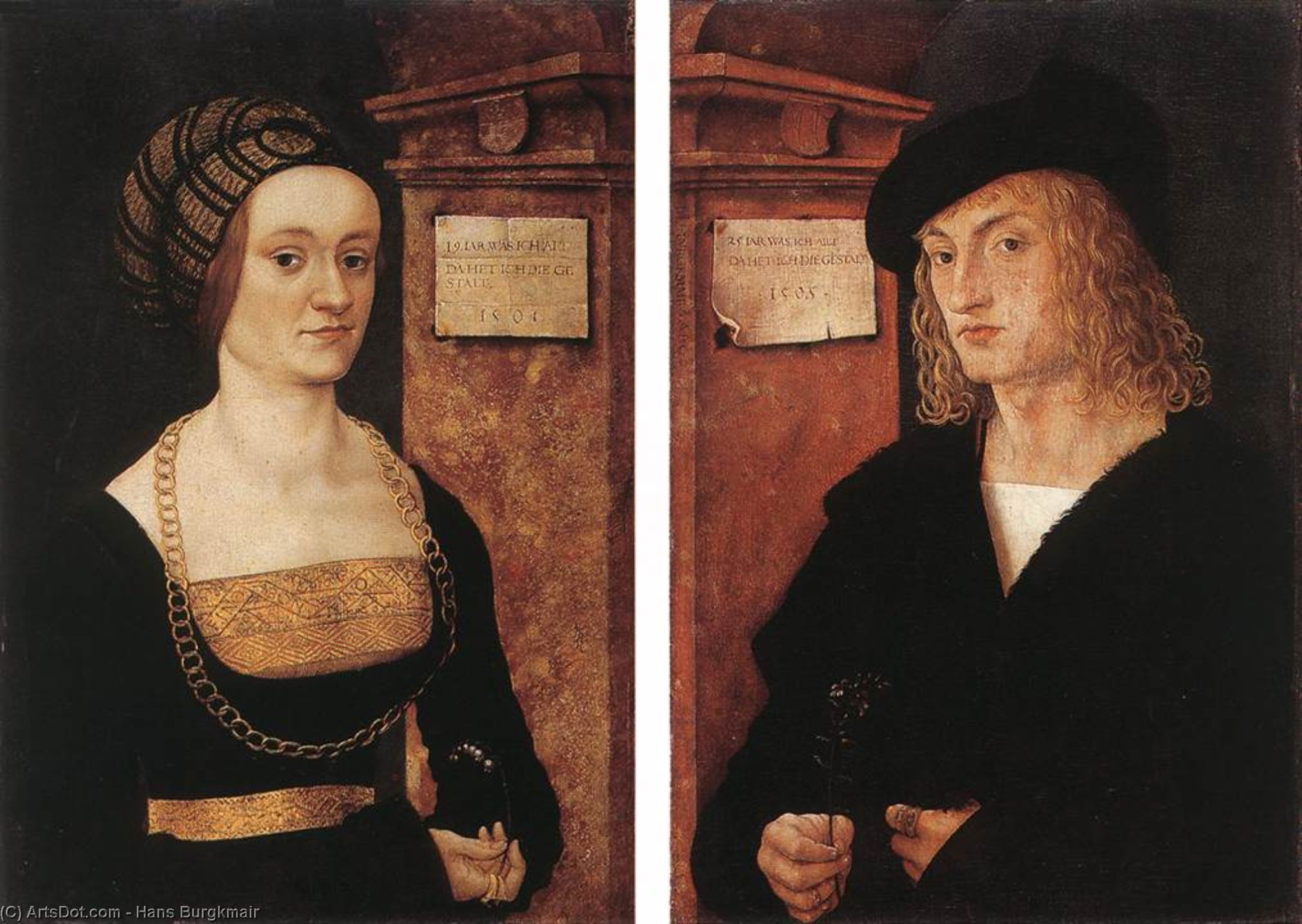
Barbara és Hans Schellenberger
 Akril vászonon
- Falfeliratok és faldekoráció
- Renaissance Italian Style
 1505
1505 41.0 x 28.0 cm
 Wallraf-Richartz Múzeum
 Tovább olvasom
Kézzel készített olajfestmény reprodukció
Kézzel festett olajvastú vászon, az Ön által választott méretben és keretben, művészeink készítik meglévőre. ( Váltás nyomtatványra Képváltás)




P118B $10

P118H $10

P118W $10

P438Z $10

P508JH $12

P508YH $12

P805H $10

P805Z $10

P919BZ $10

P919G $10

P919XJ $10

P959ZH $10

P968JZ $12

W106C $8

W218G $10

W218JH $8

W218Y $10

W307PJ $10

W316G $10

W316PJ $8

W316Y $10

W398PJ $8

W4111J $10

W500HY $15

W500JH $15

W692G $12

W849H $8

W940BG $15

W953PJ $8




Válasszon előre meghatározott méreteink közül, amelyek megfelelnek a műalkotás eredeti arányainak.

Ön megadhat saját méreteket egy adott kerethez vagy térhez igazításhoz. Ha a kiválasztott méret nem egyezik az eredeti kép arányával, akkor a műalkotást levágjuk, vagy további kézzel festett elemekkel meghosszabbítjuk a festményt. A gyártás megkezdése előtt küldünk Önnek egy digitális előnézetet jóváhagyásra.
Kérjük, vegye figyelembe, hogy a képernyőn megjelenő előnézet nem tükrözi a tényleges vágást vagy kiterjesztést. Csak az előnézet fog pontosan mutatni a végső kompozíciót.
Bár egyedi méretek állnak rendelkezésre, javasoljuk, hogy válasszon egy méretet az előre meghatározott listából az eredeti arányok megőrzése érdekében.
A rendelést követően a ArtsDot.com csapata e-mailt küld az ügyfélnek az instrukciókért, és biztosít egy előnézeti képet (mockup).
Világszerte elérhető szállítás () 3-4 hét alatt a szokásos 5 hét helyett. (7 augusztus). A minőség nem kérdőjelezhető.

Ingyenes globális expressz szállítás

Prémium minőségű len vászon

Teljes szállítási biztosítás

Vámvisszatérítési Garancia

Tökéletes színpontosság garancia

60 napos visszaküldési lehetőség (csak gyártási hibák esetén)

100%-os pénzvisszatérítési garancia

Kedvezmény több termény esetén
 Az üvegkeretes opció csak 110 cm alatti méretben érhető el

Barbara és Hans Schellenberger
Reprodukciós technika
A reprodukció mérete
-


Összesített ár
$ 263
A műalkotás leírása
Barbara és Hans Schellenberger – Egy Reneszánszi Szerelmi Színpad
A festmény egy pár férfi és nő képmásolata, akik körülbelül 1505 körül születtek és az Augsburg városban éltek. Az alkotó Hans Burgkmair időszaka jelentős átalakulást jelentett Észak-Európa és Itália közötti művészi kapcsolat számára, és Burgkmair ügyesen szívta magába Olaszország új irányelveit, miközben megőrizte német hagyományát. Ezután az alkotó nem csak másolatot készített olasz modellből; hanem aktívan összefoglalta őket ésék Észak-Európai technikáival és témákkal. Az időszakra jellemző művészi kifejezés módját mutatja meg, és egy különösen fontos szerepet játszik az európai művészet népszerűsítésében nyomtatott könyvek és képek révén. A képmás két oszlop köré épül, ami mélységet és strukturát kölcsönöz a tájnak. A nő egy fekete ruhában viseli dísztárgyakkal, míg az férfi övtárat használ. Egy szemfényő virágot tartja kezében – ez jelzi a Szeretet és Boldogság szimbólumát –, és ő egy líliásvirágot tart, ami pedig jövőbeli boldogságot sugallja fel. Az alkotó részletes figyelmet fordított az anyaghasználatra és a fény használatára, melyet ismert technikákkal ér el – ezt bizonyítja különösen Hans Holbein a Jüngere hasonló művészi megközelítése –, és egyértelműen tükrözi az akkori művészek gondolatait és érzéseit. Ez a művészi stílus nagyban hozzájárul az alkotás érzelmi hatásához és annak időtelen szépségéhez. A festmény színei mély és nyugodt árnyalatokat kölcsönöznek az egész képnek, és különösen fontos szerepet játszik a Szerelmi Színpad koncepciójában. Az alkotó célja nem csak egy egyszerű tájkép megjelenítése volt, hanem egy komplex művészi kifejezés megközelítésének elősegítése – ezt bizonyítja az Észak-Európai hagyomány és az Olasz Reneszánszi művészet egyes elemének összeolvasztása. Egy igazán maradéktalan képmás létrehozására törekedett, amely képes átültetni az időszakra jellemző művészi világot és érzelmi mélységet a néző szemében. Ez egy olyan alkotás, amely örökké megmarad az Észak-Európai művészet története fontos részének és egy igazi bizonyítékára annak, hogy milyen magas színvonalú művészi munka született ebben az időszakban.Hasonló műalkotások


A művész életrajza
Hans Burgkmair the Elder: Bridging Renaissance Italy and German Tradition
Born in Augsburg, Germany, around 1473, Hans Burgkmair the Elder emerged as a pivotal figure in the transition between late Gothic and early Renaissance art. His life coincided with a period of intense artistic exchange between Northern Europe and Italy, and he skillfully absorbed the innovations of the Italian Renaissance while retaining a distinctly German sensibility. Unlike many artists who traveled to Italy for formal training, Burgkmair’s influence stemmed from his deep engagement with the ideas circulating through printed books and images – a crucial development in disseminating new artistic trends across Europe. He wasn't merely copying Italian models; he was actively synthesizing them with established Northern European techniques and subject matter.
His early career began as an apprentice to his father, Thomas Burgkmair, a respected painter in Strasbourg. This familial connection provided him with a solid foundation in traditional German painting styles. However, it was his time working under Martin Schongauer in Colmar that truly ignited his artistic development. Schongauer’s mastery of detail and use of oil paint—techniques still relatively novel at the time—profoundly impacted Burgkmair's approach to rendering form and texture. Following Schongauer’s death, Burgkmair continued his training in Augsburg, absorbing further influences from the burgeoning artistic scene.
The Rise of a Master: Woodcuts and Frescoes
Burgkmair quickly established himself as a highly sought-after artist, specializing primarily in woodcut and fresco. His woodcuts, numbering around 700, are particularly significant for their innovative use of chiaroscuro – the dramatic interplay of light and shadow achieved through multiple blocks inked with varying tones. This technique, pioneered by Burgkmair, moved beyond the traditional single-block method and allowed him to create a remarkable sense of depth and volume, mimicking the effects of oil painting. His most celebrated woodcut series is undoubtedly the “Triumphs of Maximilian,” commissioned by Emperor Maximilian I to commemorate his victories and solidify his imperial authority. These prints are not merely decorative; they’re complex allegorical narratives filled with symbolism and meticulously rendered details.
Beyond woodcuts, Burgkmair was a skilled fresco painter. He is credited with decorating the facade of the Fugger residence in Augsburg – a landmark building that exemplifies the early Italian Renaissance style in Germany. Sadly, these frescoes have been lost to history, leaving behind only tantalizing descriptions and fragments of their grandeur. His work on the Munich and Vienna facades offers valuable insights into his fresco technique and stylistic choices.
Influences and Artistic Style
Burgkmair’s artistic style is a fascinating blend of Northern European tradition and Italian Renaissance ideals. He retained the meticulous detail and realism characteristic of German painting, but he also embraced the Italian emphasis on perspective, proportion, and classical motifs. The influence of Giorgione, a Venetian painter known for his atmospheric landscapes and poetic compositions, is particularly evident in Burgkmair’s work. Giorgione's use of muted colors and evocative scenes clearly resonated with Burgkmair, who sought to capture the mood and atmosphere of his subjects rather than simply depicting them realistically.
His son, Hans Burgkmair the Younger, continued his father’s legacy, collaborating on the “Turnierbuch,” a lavish illustrated tournament book. This collaborative effort further cemented the family's reputation as leading artists of their time and demonstrated the transmission of artistic knowledge from one generation to the next.
Legacy and Historical Significance
Hans Burgkmair the Elder’s contribution to art history is immense. He was among the first German artists to genuinely engage with the innovations of the Italian Renaissance, adapting them to his own cultural context and developing a unique artistic style. His pioneering use of chiaroscuro in woodcuts revolutionized printmaking techniques, paving the way for future generations of artists. Furthermore, he played a crucial role in introducing Renaissance ideas to Northern Europe through his prints and frescoes, contributing significantly to the broader dissemination of artistic knowledge during a period of rapid cultural change. He stands as a testament to the dynamic interplay between tradition and innovation that characterized the early Renaissance era.

hans burgkmair
1473 - 1531 , Germany
Rövid tények
- Artistic Movement Or Style: Italian Renaissance
- Artists Or Movements Influenced By This Artist: ['Hans Burgkmair the Younger']
- Artists Who Influenced This Artist:
- Giovanni Bellini
- Giorgione
- Date Of Birth: 1473
- Date Of Death: c. 1531
- Full Name: Hans Burgkmair the Elder
- Nationality: German
- Notable Artworks:
- Triumphs of Maximilian
- Turnierbuch
- Lovers Surprised by Death
- Place Of Birth: Augsburg, Germany
Kapcsolódó cikkek

Portrék világa: A 10 legikonikus műalkotás a lélek mélységeiről – ArtsDot.com
Fedezze fel a 10 legikonikus portré festményt! Ismerje meg Rembrandt, Leonardo da Vinci és más mesterek történetét. Klasszikus és modern műalkotások – ArtsDot.com minőségi reprodukciókkal. Otthoni dekoráció inspirációért tekintse meg a teljes gyűjteményünket!

A Reneszánsz 10 Legikonikusabb Műalkotása: Mesterművek a Falakon – ArtsDot.com
Fedezze fel a reneszánsz 10 legjelentősebb műalkotását! Leonardo da Vinci, Michelangelo és más mesterek remekművei – történetükkel, technikájukkal. Múzeumi minőségű reprodukciók otthonába a ArtsDot.com-on. Explore the full collection online!

Hans Holbein the Younger: A Renaissance Portraitist's Mastery of Realism & Psychological Insight
Explore the life & art of Hans Holbein the Younger, a Renaissance master renowned for his strikingly realistic portraits and psychological insight. Discover iconic works like 'The Ambassadors' and delve into his lasting legacy.

A Reneszánsz 10 Mesterműve: Festmények, Művészek és Otthoni Dekoráció Inspirációk
Fedezze fel a reneszánsz 10 legikonikusabb műalkotását! Leonardo da Vinci, Michelangelo és más mesterek festményeinek történeteit olvassa el. Inspirálódjon otthoni dekorációhoz – magas minőségű reprodukciók a ArtsDot.com-on!

A Reneszánsz Korai Gyöngyszemei: 10 Mestermű, Ami Megváltoztatta a Világot
Fedezze fel a korai reneszánsz 10 legikonikusabb műalkotását! Leonardo, Michelangelo és Botticelli remekművei elmesélnek egy új korszak történetét. Vászonképek, faliképek – inspirálódjon ArtsDot.com-on!



