

 Előnézet
 Megosztás
 Megosztás
 Részletek

 Letöltés
 Hasonló alkotások
 X-ray felvétel
 Diavetítés
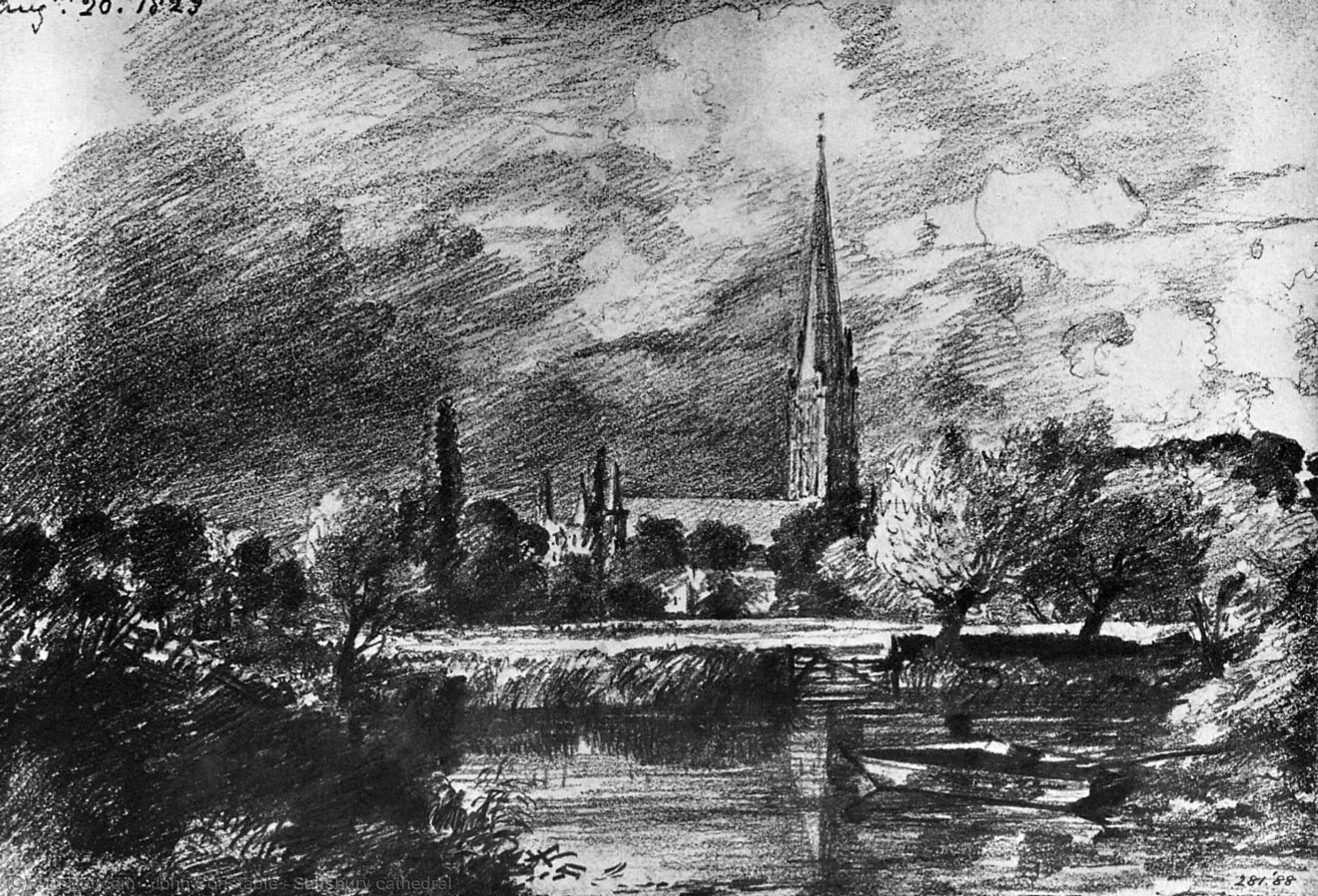
Salisbury katedráli északi tájképe


 Tovább olvasom
Kézzel készített olajfestmény reprodukció
Kézzel festett olajvastú vászon, az Ön által választott méretben és keretben, művészeink készítik meglévőre. ( Váltás nyomtatványra Képváltás)




P118B $10

P118H $10

P118W $10

P438Z $10

P508JH $12

P508YH $12

P805H $10

P805Z $10

P919BZ $10

P919G $10

P919XJ $10

P959ZH $10

P968JZ $12

W106C $8

W218G $10

W218JH $8

W218Y $10

W307PJ $10

W316G $10

W316PJ $8

W316Y $10

W398PJ $8

W4111J $10

W500HY $15

W500JH $15

W692G $12

W849H $8

W940BG $15

W953PJ $8




Válasszon előre meghatározott méreteink közül, amelyek megfelelnek a műalkotás eredeti arányainak.

Ön megadhat saját méreteket egy adott kerethez vagy térhez igazításhoz. Ha a kiválasztott méret nem egyezik az eredeti kép arányával, akkor a műalkotást levágjuk, vagy további kézzel festett elemekkel meghosszabbítjuk a festményt. A gyártás megkezdése előtt küldünk Önnek egy digitális előnézetet jóváhagyásra.
Kérjük, vegye figyelembe, hogy a képernyőn megjelenő előnézet nem tükrözi a tényleges vágást vagy kiterjesztést. Csak az előnézet fog pontosan mutatni a végső kompozíciót.
Bár egyedi méretek állnak rendelkezésre, javasoljuk, hogy válasszon egy méretet az előre meghatározott listából az eredeti arányok megőrzése érdekében.
A rendelést követően a ArtsDot.com csapata e-mailt küld az ügyfélnek az instrukciókért, és biztosít egy előnézeti képet (mockup).
Világszerte elérhető szállítás () 3-4 hét alatt a szokásos 5 hét helyett. (10 augusztus). A minőség nem kérdőjelezhető.

Ingyenes globális expressz szállítás

Prémium minőségű len vászon

Teljes szállítási biztosítás

Vámvisszatérítési Garancia

Tökéletes színpontosság garancia

60 napos visszaküldési lehetőség (csak gyártási hibák esetén)

100%-os pénzvisszatérítési garancia

Kedvezmény több termény esetén
 Az üvegkeretes opció csak 110 cm alatti méretben érhető el

Salisbury katedráli északi tájképe
Reprodukciós technika
A reprodukció mérete
-


Összesített ár
$ 263
A műalkotás leírása
Tárgy és kompozíció
Ez az kifogástalan monokrom rajz megörökíti a Salisbury katedrális fenséges jelenlétét, amely a középkori architektúra és a spirituális jelentőség mesterműve. A részletgazdag ábrázolás kiemeli a katedrális magasba törő tornyait és bonyolult gótikus vonásait, melyeket egy nyugodt, természeti táj ölel körül. A kompozíció egyensúlyt teremt az építmény monumentális díszletessége és a szerves elemek között, arra invitva a nézőt, hogy csodálja meg az emberi kézműves tudás és a természet békéjének harmóniáját.Művészeti stílus és technika
A finomított monokrom palettával készült alkotás kifejező, mégis precíz vonalvezetést és árnyékolási technikákat alkalmaz. A művész a különböző vonalvastagások és textúrák mesteri használata éles mélységérzetet, kontrasztot és perspektívát teremt. A monokrom szemlélet hangsúlyozza a fény és az árnyék játékát, megerélékessé téve a jelenet drámai és kontemplatív hangulatát. A rajz spontán, mégis aprólékos stílusa egyszerre ragadja meg az építészeti fenséget és a környező természet múló szépségét.Történelmi kontextus és jelentőség
A mű inspirációját Salisbury katedrális gazdag történelméből meríti, amely az egyik legikonikusabb gótikus épület Angliában, 1220 és 1258 között készült. A katedrális tornyának hatalmas magassága – amely az ország legmagasabb tornya – a spirituális törekvést és a kitartó hitet szimbolizálja. A művész figyelme ezen a történelmi emlékműven való összpontosítása mély csodálatot tükroztat Anglia építészeti öröksége iránt, valamint a romantikus kor lenyűgözöttségét mutatja a szublimis tájak és a történelmi pompásaság iránt.Szimbolika és érzelmi hatás
A tiszta fekete-feketéjű paletta élesíti a kontrasztokat és a textúrákat, méltóságot sugalló és nyugodt érzetet keltve. A katedrális magasba törő tornyai a spirituális emelkedést és vágyakat jelképezik, míg a környező természeti elemek békét és elmélyült gondolkodást idéznek fel. A részletes vonalvezetés arra ösztönzi a nézőt, hogy fedezze fel a fény és az árnyék kölcsönhatását, elősegítve azt a kontemplatív hangulatot, amely az awe, a tisztelet és az időtlen szépség érzéseivel vonatkozik össze.Tökéletes gyűjtéshez és belsőépítészethez
Ez a kiváló minőségű, kézzel készített reprodukció ideális választás a művészetkedvelők, a gyűjtők és a belsőépítészek számára, akik keresik az eleganciát és a művészi kifinomultságot otthonuk vagy munkahelyük kialakításakor. Sokoldalú monokrom esztétikája jól illeszkedik a különféle dekorációs stílusokhoz, a klasszikustól a kortársig, miközben központi elemként szolgál, amely beszélgetést és csodálatot vált ki. Legyen szó nappaliról, irodáról vagy galériáról, ez a mű időtlen kapcsolatot teremt Anglia építészeti és művészeti örökségével, inspirálva a Salisbury katedrális maradandó szépsége iránti elismerést.Hasonló műalkotások


A művész életrajza
A Life Rooted in the English Landscape
John Constable (East Bergholt, Suffolk, 1776. június 11. – London, 1837. április 1.) angol tájképfestő. Jelentős szerepe volt az angol romantikus tájképfestészet történetében és alkotói stílusa meghatározó befolyást gyakorolt a francia romantikus festőkre, a barbizoni iskolára és az impresszionistákra. A Királyi Művészeti Akadémia (Royal Academy of Arts, London) tagja volt.Élete és munkássága
Suffolkban született, édesapja molnár volt. Vidéki környezetben nőtt fel, akárcsak Rembrandt. Korán elkezdett rajzolni, 21 éves korától azonban atyja munkáját kellett segítenie, majd csak 1800-ban ment el Londonba tanulni. Romantikus házasságot kötött, azaz szerelmi házasságot. A fiatal leány Maria Bicknell – evangélikus lelkész nagyapja ellenkezésére nem hallgatva – feleségül ment a festőhöz. Házasságukból született néhány gyermek, de 1828-ban a feleség tüdőbajban meghalt. Constable kiváló arcképfestő is lehetett volna, erről tanúskodik felesége képe 1816-ből. Constable sokkal fontosabbnak tartotta a tájképfestést, mint a portréfestést. Művészeti hitvallása szerint a természet közvetlen és beható tanulmányozása a legfontosabb. Próbálkozott történelmi és vallási témák feldolgozásával is pályája kezdetén, de mindig visszatért a tájképfestéshez. Pályájának kezdetén több 17. századi holland festő (Ruisdael, Koninck, Claude Lorrain (1600–1682), Rubens) és egy 18. század]i angol tájképfestő (Thomas Girtin (1775–1802) volt rá hatással. Azonban e hatások nem voltak tartósak, Constable saját megérzései és meglátásai alapján festett. Constable két jeles kortárs tájképfestővel Turnerrel és Boningtonnal indította el a 19. századi modern tájképfestészetet.Breaking with Convention: A New Vision of Nature
Constable’s artistic development was marked by a deliberate rejection of prevailing academic conventions. Dissatisfied with the idealized and often theatrical landscapes favored by the Royal Academy, he sought instead a truthful representation of nature, imbued with personal feeling. He wasn't interested in grand historical narratives or mythological scenes; his focus remained steadfastly on the familiar countryside surrounding him. This commitment to depicting ordinary subjects – hay wains, farm buildings, village life – was initially met with resistance from critics who deemed his work too commonplace and lacking in ambition. However, Constable persevered, driven by a conviction that beauty resided in the everyday. He pioneered a technique of *plein air* painting, venturing outdoors to directly observe and capture the fleeting effects of light and weather. This direct engagement with nature allowed him to infuse his canvases with an immediacy and vitality previously unseen in British landscape art. His brushwork became increasingly loose and expressive, employing impasto – thick layers of paint – to create texture and convey a sense of movement and atmosphere. He wasn’t simply recording what he saw; he was translating his emotional response to the land into visual form.Iconic Works and Lasting Influence
Constable's most celebrated works stand as testaments to his unique vision. The Hay Wain (1821), perhaps his most recognizable painting, depicts a quintessential rural scene on the River Stour, capturing the tranquility and harmony of agricultural life. Hadleigh Castle (1829) showcases his dramatic use of light and atmospheric effects, transforming a crumbling ruin into a powerful symbol of time’s passage. The series of paintings depicting Salisbury Cathedral from the Meadows (1831) demonstrates his ability to evoke different moods and times of day, revealing the cathedral as an integral part of the natural landscape. Netley Abbey (1824), with its evocative depiction of architectural grandeur amidst encroaching nature, exemplifies his skill in blending human creation with the wild beauty of the countryside. Despite facing initial struggles for recognition in England, Constable achieved considerable acclaim in France, where his innovative techniques and emotional depth resonated deeply with artists seeking a more naturalistic approach to landscape painting. He profoundly influenced the Barbizon School, a group of French painters who shared his commitment to *plein air* painting and direct observation of nature.Personal Life & Final Years
Constable’s personal life was marked by both joy and sorrow. He married Maria Bicknell in 1816, and they had seven children, though sadly several did not survive infancy. His marriage provided him with emotional support but also financial strain. Elected a Royal Academician in 1829, he continued to face criticism from some quarters, particularly regarding his unconventional techniques. His later years were shadowed by Maria’s declining health and eventual death in 1828, an event that deeply affected him. Despite these hardships, Constable remained dedicated to his art, continuing to paint until his own passing on March 31, 1837. He left behind a rich artistic legacy—a testament to his unwavering commitment to capturing the beauty and emotional resonance of the English countryside. His paintings remain powerful evocations of a bygone era, inviting viewers to experience the landscape through his uniquely sensitive eyes.
John Constable
1776 - 1837 , Egyesült Királyföld
Rövid tények
- Artistic Movement Or Style: Romantika
- Artists Or Movements Influenced By This Artist: ['Barbizon Schule']
- Artists Who Influenced This Artist:
- Claude Lorrain
- Ruisdael
- Date Of Birth: 1776. június 11.
- Date Of Death: 1837. április 31.
- Full Name: John Constable
- Nationality: Angol
- Notable Artworks:
- A fehér ló
- Dedham Vale
- Salisbury katedrális
- Place Of Birth: East Bergholt, Anglia
Kapcsolódó cikkek

John Constable 25 Mesterműve: A Természet Lényege Vászonon – ArtsDot.com
Fedezze fel John Constable 25 legszebb művészeti alkotását! Ismerje meg a romantika ikonikus tájképeit, Dedham Vale szépségét és a természet lenyűgöző ábrázolásait. Vászonkép reprodukcióinkkal eleganciát csempészhet otthonába – ArtsDot.com

John Singer Sargent 25 Mesterműve: Elegancia és Portrék a ArtsDot Galériában
Fedezze fel John Singer Sargent 25 legikonikusabb művészeti alkotását! Portrék, impresszionista stílus és a fény játéka – inspirálódjon Sargent életrajzából és vászonképeiből. Művészeti reprodukciók otthonába a ArtsDot-on!

A Romantikus Tájképfestészet 10 Legikonikusabb Műalkotása – ArtsDot.com
Fedezze fel a romantikus tájképfestészet 10 legikonikusabb műalkotását! Caspar David Friedrich, J.M.W. Turner és más mesterek festményeinek története – inspiráló olajfestmények otthonába. ArtsDot.com: múzeumi minőségű reprodukciók és egyedi dekorációk online.

John Constable: Nature, Light & the Romantic Vision of Rural England
Explore the life & art of John Constable, the Romantic painter who revolutionized landscape with emotive scenes of rural England. Discover his techniques, legacy, and key works – perfect for collectors & enthusiasts.

Romantic Realism's Finest: 10 Masterpieces for Your Home | ArtsDot
Explore 10 defining masterpieces of Romantic Realism! Discover Courbet, Millet & Daumier's powerful paintings—capturing emotion and social realities. Find museum-quality reproductions for your home at ArtsDot.com.



