


 Előnézet
 Megosztás
 Megosztás
 Részletek
 Útmutató

 Letöltés
 Hasonló darabok
 X-ray felvétel
 Diavetítés
 Statisztika
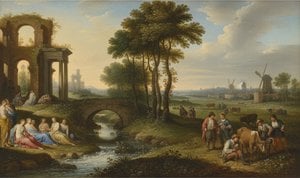
Italian Landscape with Roman Warriors
 Oil On Canvas
- WallArt
- Baroque Landscape
 1650
1650 154.0 x 174.0 cm
 Hermitázsmúzeum
 Tovább olvasom
Kézzel készített olajfestmény reprodukció
Kézzel festett olajvastú vászon, az Ön által választott méretben és keretben, művészeink készítik meglévőre. ( Váltás nyomtatványra Áttérés digitális képre)




P118B Ft10

P118H Ft10

P118W Ft10

P438Z Ft10

P508JH Ft12

P508YH Ft12

P805H Ft10

P805Z Ft10

P919BZ Ft10

P919G Ft10

P919XJ Ft10

P959ZH Ft10

P968JZ Ft12

W106C Ft8

W218G Ft10

W218JH Ft8

W218Y Ft10

W307PJ Ft10

W316G Ft10

W316PJ Ft8

W316Y Ft10

W398PJ Ft8

W4111J Ft10

W500HY Ft15

W500JH Ft15

W692G Ft12

W849H Ft8

W940BG Ft15

W953PJ Ft8




Válasszon előre meghatározott méreteink közül, amelyek megfelelnek a műalkotás eredeti arányainak.

Írja be a kívánt szélességet és magasságot, hogy illeszkedjen a keretéhez vagy a falához. Mivel ez kézzel festett alkotás, egy eltérő formájú méret esetén a művész akár festhet is valamivel többet a kép körül, vagy korolathat is belőle — az Ön döntésének megfelelően. A festés megkezdése előtt küldünk egy digitális tervezetet jóváhagyásra. Az oldalon látható kép nem tartalmazza a végeredményt — csak a tervezet mutatja meg a valódi eredményt.
A rendelést követően a ArtsDot.com csapata e-mailt küld az ügyfélnek az instrukciókért, és biztosít egy előnézeti képet (mockup).
Világszerte elérhető szállítás () 3-4 hét alatt a szokásos 5 hét helyett. (24 október). A minőség nem kérdőjelezhető.

Ingyenes globális expressz szállítás

Prémium minőségű len vászon

Teljes körű szállítási biztosítás

Vámvisszatérítési Garancia

Tökéletes színarányosság garancia

100 napos visszaküldési garancia (csak gyártási hibás termékek esetén)

100% pénzvisszatérítési garancia

Több darab vásárlásakor kedvezmény
 Az üvegkeretes opció csak 110 cm alatti méretben érhető el

Italian Landscape with Roman Warriors
Reprodukciós technika
Reprodukció méretei
-


Összesített ár
Ft 84548
The Vision of Jan Both: A Mediterranean Masterpiece
Jan Dirksz Both’s “Italian Landscape with Roman Warriors,” painted around 1650, isn't merely a depiction of a picturesque Italian vista; it’s an immersive experience. Born in Utrecht and trained within the traditions of Flemish painting, Both embarked on a transformative journey to Rome, a pivotal moment that fundamentally altered his artistic trajectory. This work stands as a testament to that shift – a vibrant synthesis of Northern realism and Southern light, capturing not just a scene but a mood, an atmosphere steeped in the grandeur and drama of the Italian Renaissance.
The painting immediately draws the eye with its expansive composition. A sweeping river dominates the foreground, reflecting the azure sky above, while rolling hills cascade into the distance, culminating in hazy mountains that seem to bleed into the horizon. Yet, it’s not simply a topographical rendering; Both masterfully employs atmospheric perspective – a technique borrowed from Claude Lorrain and other Italian landscape masters – to create an illusion of depth and vastness. The colors become softer, cooler, and less saturated as they recede, drawing the viewer's eye into the heart of the scene.
The Language of Light: A Baroque Revelation
Both’s signature style is characterized by a luminous quality that elevates the landscape beyond mere representation. He was deeply influenced by the Baroque tradition, particularly its emphasis on dramatic lighting and theatrical effects. Notice how the sunlight, seemingly originating from an unseen source, bathes the scene in a golden glow, highlighting specific elements – the shimmering water, the textured foliage, and the confident postures of the Roman warriors. This isn’t a flat, even illumination; it's a dynamic interplay of light and shadow that imbues the painting with a sense of vitality and movement.
The use of color is equally deliberate. Rich ochres, deep greens, and vibrant blues are juxtaposed to create visual interest and depth. The earthy tones of the landscape contrast sharply with the gleaming armor of the soldiers, further emphasizing their power and authority. The subtle variations in hue – a hint of purple in the distant mountains, a touch of pink in the clouds – contribute to the overall sense of realism and atmospheric detail.
Symbolism and Power: The Roman Presence
Beyond its purely aesthetic qualities, “Italian Landscape with Roman Warriors” is laden with symbolic meaning. The presence of the Roman soldiers, clad in their imposing armor and wielding spears, speaks to themes of power, conquest, and military might. They are not simply figures within a landscape; they are active participants, shaping the scene and asserting dominance over it. The bandits leading prisoners further reinforces this narrative, suggesting a world of conflict and political intrigue.
However, the painting isn’t solely focused on warfare. The inclusion of a river, trees, and a sense of leisure hints at a more complex vision – one that acknowledges both the beauty and the brutality of the Italian landscape. The figures are engaged in activities that suggest a harmonious coexistence between humanity and nature, albeit within a framework of power and control.
A Legacy of Light: Both’s Enduring Influence
Jan Dirksz Both's “Italian Landscape with Roman Warriors” represents a pivotal moment in the development of Dutch landscape painting. It showcases his mastery of technique, his deep understanding of color and light, and his ability to synthesize diverse artistic influences. His work continues to captivate viewers today, offering a glimpse into a world of beauty, drama, and timeless symbolism. Reproductions of this stunning artwork capture the essence of Both’s vision, allowing us to experience its luminous quality and evocative power firsthand.
Gyakran Ismételt Kérdések
Hol javasolt a(z) "Italian Landscape with Roman Warriors" kihelyezését a színei alapján?
A Earthy színpalettájával „Italian Landscape with Roman Warriors”, Both Jan alkotása alkotást egy Living Roomba javasoljuk. A színek egy része teszi lehetővé ezt a javaslatot.
Milyen közös tulajdonságokat oszt meg a "Italian Landscape with Roman Warriors" Both Jan további alkotásaival?
Both Jan munkásságán belül a "Italian Landscape with Roman Warriors" a Baroque Landscape stílus képét képviseli, a mediterranean light, roman ideals, classical landscape, heroic figures, religious allegory, moral themes, baroque drama, emotional depth témakörével összefüggésben.
Milyen színeket használ a "Italian Landscape with Roman Warriors"?
A "Italian Landscape with Roman Warriors" színei egy Earthy palettát alkotnak. Ez a besorolás a domináns színek családjait írja le.
Hasonló műalkotások


A művész életrajza
Jan Both (1610-1652): A mediterrán fény mestere
Jan Dirksz Both holland festő, rajztiszt és metsző művész volt, aki a holland aranykor egyik meghatározó alakjaként emelkedett ki az ébrekedő „itálizáló” tájfestészet mozgalmában. Utrechtben született körülbelül 1615/1m18 körül; Andries Both youngerabb testvére volt, apjuk, Dirck Both pedig üvegfestőként vagy ablakmásolatolóként tevékenykedett, és fiataiba már korán beleitmelte a művészi kézmű iránti mély tiszteletet. Bár életrajzi részletei még mindig kissé szűkösek, a tudományos kutatások arra utalnak, hogy Jan képzése Abraham Bloemaert és Gerrit van Honthorst tanítását is magában foglalta, ami az idejének egyik legbefolyásosabb művészévé emelte őt.- Korai élet és képzés: Both formálódó éveit Utrechtben töltötte, ahol testvérével, Andriessel együtt csisztolta készségeit, elsajátítva apja üvegfestő munkájából származó technikákat – egy olyan mesterséget, amely mélyen gyökerezett a flamandi hagyományokban.
- Rómán hatás: 1638 körül Jan és Andries átalakító utazásra indult Rómába Franciaországon keresztül, ahol elmerültek a pápai udvar művészeti lüktetésében, és olyan eminenszekkel találkoztak, mint Bloemaert és Gerrit van Honthorst. Ez a tapasztalat alapjaiban formálta stilisztikai érzékzetüket.
A román stílus és az együttműködés Claude Lorrain-nel
Róma bizonyult Both művészeti fejlődésének katalizátorának. Miközben Andries Pieter van Laer stílusú genre-jelenetekre összpontosított, Jan elsősorban a tájfestészetnek szentelte magát – egy stílusnak, amely erőteljesen tartozik Claude Lorrain örökségének –, és a mediterrán régió égi szépségét örökítette meg a fény és a szín páratlan mesterévé válva. Különösen érdemes kiemelni, hogy Herman van Swanevelttel szoros együttműködésben dolgozott egy monumentális projekt keretében a madridi Buen Retió Palace számára, ezzel bizonyítva ambícióját és művészi tudását az európai megbízatók legmagasabb szintjén. Ez a partnerség megszilárdította Both hírnevét, mint a tájfestészet egyik vezető innovátoraként.Jellegzetes festmények és művészeti jellemzők
Both életművét hatalmas, fantáziában gazdag tájak jellemzik, melyeket ragyogó arany fény áraszt – ez Claude Lorrain stílusának jellegzetessége, és az egész Európában cirkuláló szélesebb körű művészeti áramlatok tükrének is köszönhető. Remekműve, a „Tájkép bántalmazott foglyokkal” (Museum of Fine Arts, Boston) példaként szolgál erre az esztétikai ragyogásra. A lejtőleges út a tekintetet a jelenet mélységébe vonja, valósághű alakokat állítva szembe az idilli táj ezerfinom kidolgozott növényzetével. Ismétlődő motívumok közé tartoznak a vallási vagy mitológiai alakok is – ahogy azt a „Paris ítélete” (London, National Gallery) című alkotás mutatja –, amelyeket gyakran olyan Utrecht-i kortársai készítettek, mint Cornelis van Poelenburch, hangsúlyozva Both humanista eszméihez és a korabeli művészeti konvenciókhoz való kötődését.Örökség és hatás
Jan Both testvére, Andries tragikus módon, betegség áldozata lett Velencében, Rómából való visszatérésük során. Annak ellenére, hogy élete rövid volt, Andries elismert művészként vált ismert, szakosodva a paraszti jelenetekre – egy olyan műfajra, amely tükrözte a kor társadalmi valóságát. Jan Both művészeti öröksége túlmutat egyéni festményein; tanárként szolgált tehetséges tanítványoknak, mint Barend Bispinck és Willem de Heusch, biztosítva, hogy stilisztikai innovációi generációkon keresztül inspirálják a művészeket. Művészete ma is ünnepli felemlekedtető hangulatát, mesteri technikáját és hozzájárulását a holland tájfestészet fejlődéséhez – bizonyszívként Both maradandó hatására az európai művészettörténetben.Gyűjtemények
- Fitzwilliam Museum, Cambridge Egyetem
- Hermitage, Sankt Pétersburg
- Kunsthistorisches Museum, Bécs
- Louvre, Paris
- Mauritshuis Királyi Képtár

Both Jan
1610 - 1652 , Holland
Gyors információk
- Artistic Movement Or Style: Italián stílusú tájképfestészet
- Artists Or Movements Influenced By This Artist: ['Claude Lorrain']
- Artists Who Influenced This Artist:
- Abraham Bloemaert
- Gerrit van Honthorst
- Date Of Birth: Utrecht, Hollandia (1610)
- Date Of Death: 1652. augusztus 9.
- Full Name: Jan Dirksz Both
- Nationality: Holland
- Notable Artworks:
- Szent Anna a Szűny és a gyermekkel
- Tájkép béklyózott fogatokkal
- A Paris ítél
- Place Of Birth: Utrecht
Kapcsolódó cikkek
Cornelis van Poelenburch: Bridging Mannerism & the Dutch Baroque Landscape
Discover Cornelis van Poelenburch, a pivotal Dutch Baroque landscape painter bridging Mannerism & Italianate styles. Explore his life, key works, and lasting influence on 17th-century art with ArtsDot.

A Romantikus Tájképfestészet 10 Legikonikusabb Műalkotása – ArtsDot.com
Fedezze fel a romantikus tájképfestészet 10 legikonikusabb műalkotását! Caspar David Friedrich, J.M.W. Turner és más mesterek festményeinek története – inspiráló olajfestmények otthonába. ArtsDot.com: múzeumi minőségű reprodukciók és egyedi dekorációk online.

Evocations of Place: A Historical Journey Through Landscape Art
Explore the rich history of landscape art with ArtsDot. Discover renowned artists, movements like Impressionism & Romanticism, and expert guidance for collecting timeless pieces. Find your perfect serene escape today!

Jan Brueghel the Elder: A Master of Flemish Landscape & Allegory – Exploring Innovation & Influence
Explore the captivating world of Jan Brueghel the Elder, a Flemish Baroque master renowned for his stunning landscapes & allegorical paintings. Discover his collaborations with Rubens and lasting artistic legacy.

Claude Lorrain: Master of Light & Landscape in the Golden Age
Explore the luminous landscapes of Claude Lorrain, a Baroque master renowned for his masterful use of light & atmosphere. Discover his life, techniques, key works & enduring influence on art history.
