Tapiserija tudorskog sjaja i baroknog milostivosti
Dvorac Hampton Court stoji kao nevjerojatan palimpsest engleske povijesti, čije kamenje šapuće priče o moći, strasti i umjetničkom pokroviteljstvu koje se proteže stoljećima. Više od samo veličanstvene građevine, on je izvrsno odabrano svetište dijela Kraljevskog kolektivnog izloženja (Royal Collection), jedne od najvećima i najvažnijih umjetničkih zbirki na svijetu. Hodati njegovim državnim apartmanima i galerijama znači putovati kroz evoluirajući ukus monarha—od impresivne veličine koju je preferirao Henry VIII do profinjene elegancije koja je njegovana pod Vilimom III. i Marijom II. Kolekcija nije samo izložena unutar Hampton Courta; ona nastanjuje dvorac, neraskidivo povezana s arhitekturom i atmosferom, nudeći jedinstveno prožimajuće iskustvo koje nadilazi tipičnu posjet umjetničkom muzeju. To je mjesto gdje umjetnost ne djeluje zarobljeno iza baršunastih ograda, već diše zajedno s vama u prostorima osmišljenim upravo za njezino prvobitno uživanje.
Sama širina Kraljevskog kolektivnog izloženja je zapanjujuća, predstavljajući vizualnu gozbu koja osvaja dušu svakog ljubitelja umjetnosti i kolekcionara. Samo preko 7.000 slika krasi zidove, obuhvaćajući remek-djela majstora talijanske renesanse koje je prikupio Charles I—djela koja su signalizirala njegovu ambiciju i sofisticirano razumijevanje umjetnosti—do platna holandskog zlatnog doba koja je s žarom prikupljao George IV. Čovjek bi mogao ostati očaran dramatičnom mitološkom napetošću u djelu Thomasa Gainsborougha Diana i Actaeon , gdje labaviji potezi četkice i eterična ljepota bilježe prolazni trenutak grčkog mita. Zbirka se proteže daleko izvan boje na platnu, uključujući preko 150.000 djela na papiru, nudeći intimne uvide u umjetničke procese kroz crteže, akvarele, litografije i mape. Za ljubitelje dekorativnih umjetnosti, dvorac otkriva neusporedivo riznicu tapiserija koje u tkanim nitima pričaju epske priacije, namještaj izrađen neprevladivom vještinom, nježnu keramiku, svjetlucave tekstilne materijale, pa čak i impresivno oružje koje svjedoči o ratničkoj povijesti britanske monarhije.
Arhitektonska evolucija i živa povijest
Arhitektura dvorca Hampton Court služi kao fizički vremenski okvir engleskih kraljevskih ambicija. Počeo ga je kardinal Wolsey 1514. godine, a dramatično ga je proširio Henry VIII, zadržavajući živopisne boje i zamršene štukaturne radove ere Tudora, evocirajući raskošnu atmosferu dvorskog života. Ipak, ta tudorska domaćinska atmosfera postoji u izraženoj suprotnosti s baroknim sjajem uvedenim tijekom opsežnih projektata obnovljivanja pod Vilimom III. Ova arhitektonska dualnost stvara okruženje u kojem se umjetnost promatra kroz svoju povijesnu leću; može se kontemplirati monumentalno djelo Andree Mantegne Trijumfi Cezara unutar istih onih prostorija u kojima su prvi put okačena prije više od tri stoljeća. Ovakva kontekstualizacija podiže iskustvo s puke opservacije na aktivno sudjelovanje, pozivajući posjetitelje da zakorače u svijet kraljeva i kraljica.
Izvan zidova državnih apartmana, dvorac se prostire kao majstorska lekcija o uređenju krajolaza i hortikulturnoj umjetnosti. Prostrane vrtove, koje je oblikovala legendarna osoba Capability Brown, krase formalni travnjaci, ukrasna jezera i slikoviti vidici koji odražavaju georgijanske ideale tog razdoblja. Posjetitelji se mogu izgubiti u poznatom lavirintu šipka—izazov koji služi kao podsjetnik na povijest dvorca kao kraljevskog štagona—ili lutati krajolazima koji izgledaju poput živih slika. Ova besprijekorna integracija umjetnosti, arhitekture i prirode čini Hampton Court utočištem kako za dizajnere interijera, tako i za ljubitelje pejzaža, dok dokazuje da su najdublje umjetničke izjave često one koje spajaju ono što je ljudsko ruke stvorila s prirodnim svijetom.
Naslijeđe očuvanja i otkrića
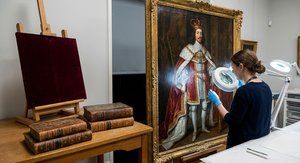
Ono što Hampton Court uistinu izdvaja je njegov status žive institucije. Royal Collection Trust aktivno zagovara očuvanje i istraživanje, osiguravajući da ove umjetničke baštine ostanu dostupne generacijama koje dolaze. Tekući napori konzervacije štite osjetljive tekstilne materijale i obnavljaju izblijedile pigmente, dok znanstvena istraživanja otključavaju nove uvide u podrijetlo i simboliku pojedinačnih djela. Ova posvećenost nadilazi čisto očuvanje; to je predanost razumijevanju priča utkanih u svaki predmet, obogaćujući naše uživanje i u povijesti umjetnosti i u kraljevskom nasljeđu. Kroz redovite izložbe koje prikazuju nova otkrića o Kraljevskom kolektivnom izloženju, dvorac nastavlja udisati život u svoje dragocjenosti.
Za one koji traže emocionalnu povezanost s bogatom engleskom prošlošću, dvorac Hampton Court nudi neusporedivo putovanje. To je mjesto gdje gotovo možete čuti odjekove dvorskog života, osjetiti težinu povijesti u samom kamenju pod nogama i diviti se trajnoj moći umjetnosti da inspiriše i očara. Dvorac nije samo spremište blaga; on je živopisno svjedočanstvo neprolaznog nasljeđa britanske monarhije i njezinog dubokog utjecaja na globalni krajolik kulture i umjetnosti.