


Sadržaj
Ključne informacije
- Featured artists:
- Alessandro Magnasco
- Pompeo Batoni
- Works on APS: 2
- Location: Pavia, Italy
- Alternate names:
- Musei Civici di Pavia
- Pavia Civic Museums
Kviz o umjetnosti
Svako pitanje ima samo jedan točan odgovor.
Pitanje 1:
What is the primary architectural feature of Civici Musei?
Pitanje 2:
Which collection highlights Pavia’s connection to the Longobard Kingdom?
Pitanje 3:
The Civici Musei’s unique approach distinguishes it by combining:
Pitanje 4:
What is notable about the Crypt of Sant’Eusebio?
Pitanje 5:
The Visconti Castle was originally constructed by:
Umjetnici u zbirci
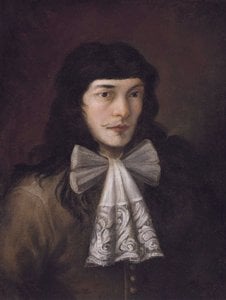
Alessandro Magnasco
Otkrijte Alessandro Magnasca (1667-1749), baroknog majstora jezivih krajolika i neobičnih figura! Istražite njegovu jedinstvenu viziju, sablasne scene i enigmatičnu umjetnost.


Pompeo Batoni
Pompeo Batoni (1708-1787): Talented talijanski slikar koji povezuje barok i neoklasicizam. Majstor portreta, alegorija i scena s Grand Tour putovanja! Istražite njegovo naslijeđe.
Srodni članci
Civic Virtue and Artistic Rivalry: Patronage and Innovation in the Italian Renaissance Republics, 1400–1600
Explore the Italian Renaissance! Discover how competitive patronage & humanist ideals fueled artistic innovation in republics like Florence & Venice. Expert insights for art lovers and collectors.

Embodying the Polis: Civic Virtue as Subject & Symbol in Western Art
Explore the fascinating history of civic virtue in Western art! From ancient Greece to the French Revolution, discover how artists depicted ideals of citizenship, duty & republicanism. Expert analysis at ArtsDot.

Mario Sironi: A Poetic of Modern Italian Identity Through Symbolism & Social Commentary
Explore the profound works of Mario Sironi, a key figure in Italian Modernism. Discover his evolution from Futurism to Metaphysical painting and his powerful social commentary. Learn about his legacy at ArtsDot.
Popis umjetničkih djela
Nema pronađenih umjetničkih djela.


Pretplatite se na naš newsletter
Budite u tijeku s najnovijim umjetničkim vijestima, ekskluzivnim ponudama i idejama za dekoraciju.
Preuzmite 3 besplatna prijedloga umjetnina
Recite nam nešto o svom projektu, a naši će stručnjaci za umjetnost pripremiti 3 personalizirana prijedloga umjetnina.
Not Sure Where to Start?
Let Us Curate 3 Options Just for You - Free!