
1



Ažurirano Studeni 2026 · rangirano prema našoj ocjeni popularnosti (pretraživanja, posjeti i narudžbe za svako djelo) · 2 djela Weyer u našem katalogu
Ukratko
Ako znate jedno djelo Weyer, to je vjerojatno Cavalry Skirmish koje se nalazi u muzeju Statens Museum For Kunst, Kopenhagen. Naš katalog sadrži 2 djela umjetnika Weyer. U nastavku je 2 najpoznatijih djela, s navedenom godinom nastanka, mjestom gdje se mogu pronaći i onim što ih čini posebnima.

1 muzeja u kojima se nalazi najviše djela s ove stranice.
| Muzej | Grad | Djela autora Weyer | Slike iz ovog popisa |
|---|---|---|---|
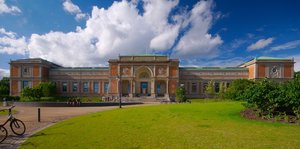 Statens Museum For Kunst |
Kopenhagen | 2 | Cavalry Skirmish, Travellers Attacked by Robbers |
Na vrhu liste je Cavalry Skirmish.
U našem katalogu imamo 2 djela umjetnika Weyer.
Većinu njih možete pronaći u Statens Museum For Kunst (Kopenhagen). Na gornjoj listi muzeja nalazi se detaljan pregled.
Na ovoj stranici možete vidjeti 2 djela u muzeju Statens Museum For Kunst, Kopenhagen, uključujući Cavalry Skirmish i Travellers Attacked by Robbers.
Da. Svaka slika na ovoj stranici dostupna je kao ručno oslikana uljana reprodukcija ili kao tisak, u veličini koja vam odgovara. Jednostavno otvorite stranicu slike kako biste je naručili.
In the quietude of the nineteenth century, Weyer sought to capture the sudden, violent ruptures of human existence. His brush did not merely record scenes; it sought to freeze the very moment when peace dissolves into chaos. Through oil on panel, he rendered the tension of a landscape just before or during a moment of crisis. There is a certain weight to his compositions, a sense that the air itself is thick with the impending clash of steel or the sudden terror of an ambush.
His hand found its strength in the depiction of movement and the unpredictable nature of conflict. Whether it was the sudden strike of a skirmish or the desperate struggle of travelers, his work focused on the visceral reality of life in motion. He understood that a landscape is never merely a backdrop, but a participant in the drama unfolding within it.
The works that remain of his hand reveal a preoccupation with the suddenness of violence and the mechanics of battle. He focused his attention on specific, high-stakes encounters that demanded a mastery of light and shadow to convey the urgency of the scene. His subjects often included:
In these depictions, the human figure is often caught in a state of extreme exertion or sudden fright. He used the medium of oil to give substance to the dust kicked up by horses and the frantic gestures of men caught in the heat of a struggle. His ability to balance the vastness of a setting with the intimate terror of a personal encounter defines his contribution to the genre of historical and military painting.
The survival of his vision is largely owed to the preservation of his works within the Statens Museum for Kunst in Copenhagen. Within those halls, his paintings endure as records of a specific kind of dramatic intensity. His presence in the Danish collection ensures that his particular way of seeing—the way he saw a skirmish or a roadside robbery—remains available to those who study the art of the era. He remains a painter of the sudden moment, a chronicler of the friction between man and his environment.