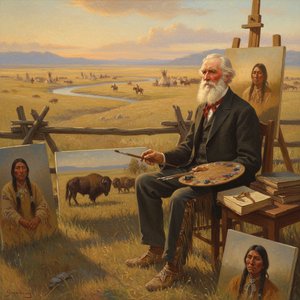
Rano život i podrijetlo
- Rođen: 27. rujna 1859., Bridgeport, Ohio
- Preminuo: 29. kolovoza 1953.
- Roditelji: Roditelji irski imigranti; otac je bio trgovac.
- Rano fascinacije: Od rane mladosti razvio je snažan interes za Američkim Indijancima.
- Rani rad: Sa 12 godina radio je u tvornici čavla kako bi pomogao obitelji nakon očeve smrti.
Obrazovanje i umjetnička obuka
- McMicken School of Design, Cincinnati: Kratko je pohađao školu prije nego što su financijska ograničenja prisilila odustajanje od školovanja.
- Europska istraživanja (1881.-1886.): Putovao je Europom gdje je studirao na Kraljevskoj akademiji likovnih umjetnosti u Antverpenu, Belgija.
- Povratak u Cincinnati i mentorstvo: Vratio se u Cincinnati i radio alongside Henryja Farnyja, iako ga je Farny odvrativao od slikanja Američkih Indijanaca.
- Kraljevska akademija u Münchenu: Studirao je na Kraljevskoj akademiji likovnih umjetnosti (München), a kasnije i kod Franka Duvenecka u Italiji.
- Académie Julian, Pariz: Nadogradio je svoje studije na Académie Julian u Parizu, pod utjecajem Barbizonskih slikara i impresionista.
Umjetnički stil i tematika
- Utjecaji: Pod utjecajem Barbizon škole i impresionizma, što je vidljivo u njegovoj upotrebi svjetla i sjene te širokim potezima četkice.
- Ključne teme: Prvenstveno je slikao portrete ratnika, poglavica i običnog naroda Američkih Indijanaca, kao i zapadne pejzaže.
- Naručeni radovi: Dobio je značajnu narudžbu od predsjednika Theodorea Roosevelta za slikanje 200 portreta ratnika Američkih Indijanaca koji su preživjeli bitku kod Little Bighorna.
- Absarokee Hut: Izgradio je kolibu (Absarokee Hut) na zemlji Crow Agency u Montani, što mu je omogućilo produženo vrijeme za proučavanje i prikazivanje života Američkih Indijanacija.
Glavna postignuća i priznanja
- Osnivač Taos Society of Artists: Osnovni član Taos Society of Artists, koji se smatra njegovim "duhovnim ocem".
- Kolekcija Smithsonian Institution: Smithsonian Institution kupio je jedanaest njegovih portreta 1901. godine.
- Pokroviteljstvo Phoebe Hearst: Primio je značajnu podršku od Phoebe Hearst, koja je stekla preko 150 njegovih djela.
- Kolekcija Thomasa Gilcreasea: Veliki dio njegovog rada i osobne kolekcije kupio je Thomas Gilcrease, koji se sada nalazi u Institutu Gilcrease.
- Priznanje za etnografsku vrijednost: Kustos W.H. Holmes priznao mu je točnost s kojom je prikazivao fizionomiju i kostime Američkih Indijanaca.
Povijesni značaj
- Dokumentiranje kulture Američkih Indijanaca: Sharpov rad pruža dragocjen dokument o životu Američkih Indijanaca tijekom razdoblja značajnih kulturnih promjena i raseljavanja. ut
- Rani zapadni umjetnik u Taosu: Jedan od prvih euroameričkih umjetnika koji je uspostavio prisutnost u Taosu, New Mexico, doprinoseći njegovom umjetničkom razvoju.
- Utjecaj na umjetnost jugoistoka (Southwestern art): Njegov fokus na teme Američkih Indijanaca pomogao je oblikovati smjer umjetnosti jugozapada i utjecao na sljedeće generacije umjetnika.
- Očuvanje portretne umjetnosti: Stvorio je značajan korpus portreta koji bilježi sličnosti i dostojanstvo pojedinaca iz različitih plemena Američkih Indijanaca, čuvajući njihovu sjećanja za potomstvo.
Pitanja i odgovori
Gdje je i kada je rođen/a Joseph Henry Sharp?
Joseph Henry Sharp je rođen/a u gradu Bridgeport 1859. godine.
U kojem je povijesnom razdoblju stvarala/radio Joseph Henry Sharp?
Joseph Henry Sharp je stvarala u razdoblju 19. stoljeće. To razdoblje smješta umjetnikov rad u povijesni kontekst.
Koliko je umjetničkih djela autora Joseph Henry Sharp dostupno za pregled?
Možete pregledati 98 umjetnina djela autora Joseph Henry Sharp na stranici Sva umjetnička djela.
Odakle dolazi Joseph Henry Sharp?
Joseph Henry Sharp je rođen/a u Sjedinjene Američke Države.
Mogu li posjetiti virtualni muzej djela umjetnika Joseph Henry Sharp?
3D muzej umjetnika Joseph Henry Sharp stranica je koja prikazuje umjetnikova djela u virtualnoj trodimenzionalnoj galeriji.
Postoji li cjelovit popis umjetničkih djela autora Joseph Henry Sharp?
Sva djela umjetnika Joseph Henry Sharp na stranici ovaj web-mjesto možete pregledati na njegovoj/njezinoj Sva umjetnička djela stranici.
U kojem je gradu i državi rođen/a Joseph Henry Sharp?
Joseph Henry Sharp rođen/a je u gradu Bridgeport, u državi Sjedinjene Američke Države.