


 Pregledaj u stvarnoj veličini
 Pošalji
 Podijeli
 Detalji o umjetničkom djelu

 Preuzmi
 Slični predmeti
 Rentgenska snimka
 Automatska prezentacija
Pogled uunutrasnjost


 Prikaži više
Ručno rađena uljana reprodukcija
Ručno oslikano uljanim bojama na platnu u dimenzijama i okviru po vašem izboru, izrađeno po narudžbi od strane naših umjetnika. ( Kupi print Kupi digitalnu sliku)




P118B $10

P118H $10

P118W $10

P438Z $10

P508JH $12

P508YH $12

P805H $10

P805Z $10

P919BZ $10

P919G $10

P919XJ $10

P959ZH $10

P968JZ $12

W106C $8

W218G $10

W218JH $8

W218Y $10

W307PJ $10

W316G $10

W316PJ $8

W316Y $10

W398PJ $8

W4111J $10

W500HY $15

W500JH $15

W692G $12

W849H $8

W940BG $15

W953PJ $8




Odaberite jednu od naših unaprijed definiranih veličina koje odgovaraju izvornim proporcijama umjetničkog djela.

Možete unijeti vlastite dimenzije kako bi odgovarale određenom okviru ili prostoru. Ako odabrana veličina ne odgovara proporcijama izvorne slike, izrezat ćemo umjetničko djelo ili proširiti sliku dodatnim ručno oslikanim elementima. Digitalni nacrt bit će vam poslan na odobrenje prije početka proizvodnje.
Imajte na umu da pregled na ekranu ne prikazuje stvarno izrezivanje ili proširivanje. Samo će nacrt točno prikazati konačni sastav.
Iako su dostupne prilagođene veličine, preporučujemo odabir dimenzije s preddefiniranog popisa kako bismo očuvali izvorne proporcije.
Nakon narudžbe, tim ArtsDot.com kontaktirat će klijenta putem e-pošte radi dobivanja uputa te dostaviti probni prikaz (mockup).
Isporuka širom svijeta () u roku od 3-4 tjedna umjesto standardnih 5 tjedana. (18 Kolovoz). Bez kompromisa u kvaliteti.

Besplatna ekspresna dostava širom svijeta

Visokokvalitetno laneno platno

Potpuno osiguranje dostave

Jamstvo povrata carine i uvoznih poreza

Garancija vjernog podudaranja boja

Politika povrata u roku od 60 dana (samo u slučaju nedostataka)

Jamstvo povrata 100% novca

Popust na više proizvoda
 Opcija stakla dostupna je samo za dimenzije manje od 110 cm

Pogled uunutrasnjost
Tehnika reprodukcije
Veličina reprodukcije
-


Ukupna cijena
$ 263
Opis umjetničkog djela
Pozorje na unutarnju prostoriju velikog bogate crkve
Pozorno gledajući ovu impresivnu reprodukciju djela Johanna Bernarda Fischera von Erlacha, odmah se osjeća atmosfera dubokih boja i složenosti arhitektonskog umijećeta. Djelo prikazuje unutarnji prostor velike crkve koja je stilski potvrđena kao rezultat Baroka, što je doba koje je poznato svojim veličanstvenim dekoracijama i dramatičnim oblicima.
- Tema: Crkva – simbol vjere i religijske umjetnosti.
- Stil: Barok – karakteriziran je velikom veličinom, bogatim dekoracijama i korištenjem svjetlosti kako bi se stvorila dramatična atmosfera.
- Materijal: Freske i štukovi – korišteni su kako bi se prikazala ljepota i složenost arhitektonskog prostora.
Fotografija je zabeležena iz perspektive spoljne zidovine koja gleda prema oltaru, pružajući sveobuhvatnu vizuru unutarnjeg okruženja. Fotografija je napravljena u vrijeme kada je Nicolas de Largillière bio jedan od najpoznatijih umjetnika Francuske koji su se bavili portretom srednje klase. Ovaj umjetnik je poznat po svojoj sposobnosti oslikavanja ljepote i sofisticiranosti ljudskih likova.
Detalji slike otkrivaju složenu arhitekturu crkve: domoviti krov prekriven velikim okviri koji doprinose prirodnoj svjetlosti, impozantne kolonade koje podupiru strukturu krovstva i ukrašavaju zidove, te oltari koji su izoštrijeni kipovima kako bi se dodatno povećala njihova ljepota. Sveukupna boja slike je umjerena, što daje prostoru spokojstvo i dubinu.
- Teknica: Freska – tehnika oslikavanja koja koristi pigment koji se liječi na površini zidova kako bi postigli trajnost i živopisne boje.
- Simbolizam: Krist uz oltar – simbol vjere i spasenja, koji je jedan od najvažnijih elemenata religijske umjetnosti.
Ovaj djelom Erlacha nije samo arhitektonski prikaz crkve nego i izraz umjetničkog umijeća Barokskog doba koje je bilo poznato svojim velikim veličinom i bogatim dekoracijama. Reprodukcija ovog djela može biti izvrsna ideja za uređenje prostorija koje žele postići elegantnu atmosferu i dodati im kulturu.
Srodna umjetnička djela


Biografija umjetnika
Nicolas de Largillière: The Master of Subtle Grace
Born in Paris in 1656 and passing away in the same city in 1746, Nicolas de Largillière stands as a pivotal figure in the history of French portraiture. While often overshadowed by his more flamboyant contemporaries like Rigaud, Largillière cultivated a unique style characterized by an exquisite sensitivity to light, texture, and the quiet dignity of his subjects. His career spanned nearly fifty years, during which he established himself as one of the leading portraitists of his time, particularly renowned for capturing the refined elegance of the French middle class – a demographic largely overlooked by the grander commissions favored by the aristocracy.
Largillière’s early artistic development unfolded in Antwerp and London. He began his training with Antoine Goubeau in Antwerp, absorbing the Flemish tradition of meticulous detail and realistic representation. A subsequent period working for Lely in England exposed him to the burgeoning influence of Caravaggio's dramatic use of light and shadow, a technique that would profoundly shape his own artistic approach. This early exposure to both Flemish realism and Italian drama provided a rich foundation upon which he built his distinctive style.
A Portraitist for the Rising Middle Class
Returning to Paris in 1679, Largillière swiftly established himself as a sought-after portraitist. Unlike many of his contemporaries who primarily catered to royal and aristocratic clientele, Largillière focused on depicting members of the wealthy merchant class – individuals whose fortunes were rising alongside the prosperity of Louis XIV’s France. This shift in focus offered him a steady stream of commissions and allowed him to develop a nuanced understanding of his subjects' personalities and social standing. His portraits weren’t merely representations of appearance; they aimed to convey character, refinement, and a sense of inner composure.
His success was remarkable, particularly considering the competitive landscape of Parisian art at the time. Largillière’s ability to capture subtle expressions – a fleeting smile, a thoughtful gaze – set him apart. He employed a technique of *sfumato*, softening outlines and blending colors to create an atmosphere of hazy beauty and intimacy. This approach, combined with his masterful use of light, resulted in portraits that possess a remarkable sense of realism and psychological depth.
Technique and Artistic Influences
Largillière’s technical skill was honed through years of diligent observation and practice. He meticulously studied the anatomy of the human form, paying particular attention to the play of light on skin and fabric. His brushwork is characterized by a delicate layering of colors, creating a sense of texture and volume that brings his subjects to life. The influence of Caravaggio is undeniable in Largillière’s use of chiaroscuro – the dramatic contrast between light and shadow – which he employed not for theatrical effect but to heighten the emotional impact of his portraits.
Furthermore, Largillière drew inspiration from Flemish masters like Anthony van Dyck, whose elegant compositions and refined portraiture served as a model for many French artists. However, Largillière’s style evolved beyond mere imitation; he synthesized these influences into a uniquely personal vision, characterized by an understated elegance and a profound sensitivity to human emotion.
Legacy and Historical Significance
Throughout his long career, Largillière produced an astonishing number of portraits – contemporary sources estimate around 1,500. While he also engaged in religious works, still lifes, and landscapes, it is his portraiture that remains his most enduring legacy. He was appointed director of the Académie Royale in his eighties (1734–5 and 1738–42), a testament to his continued influence and respect within the artistic community.
Largillière’s portraits offer a valuable glimpse into the social and cultural landscape of 18th-century France. They reveal the aspirations, values, and anxieties of the rising middle class – a group that played an increasingly important role in shaping the nation's destiny. His work continues to be admired for its exquisite beauty, technical mastery, and profound understanding of human nature. He is often considered the French equivalent of Van Dyck, a title he certainly deserved.

johann bernhard fischer von erlach
1656 - 1723 , Austria
Osnovne informacije
- Artistic Movement Or Style: Portraiture
- Artists Or Movements Influenced By This Artist: ['Van Dyck']
- Artists Who Influenced This Artist:
- Lely
- Verrio
- Date Of Birth: 1656
- Date Of Death: 1746
- Full Name: Nicolas de Largillière
- Nationality: French
- Notable Artworks:
- The Apotheosis of Homer
- Portrait of a Young Man
- Portrait of a Woman
- Place Of Birth: Paris, France
Srodni članci

Umjetnost koja živi s nama: Emocionalna snaga personalizirane interijerske freske
Otkrijte ljepotu personaliziranih freski! Stručni umjetnici oslikavaju zidove po vašoj mjeri, s povijesnom tehnikom i vrhunskom kvalitetom. Konzultacije & narudžbe.
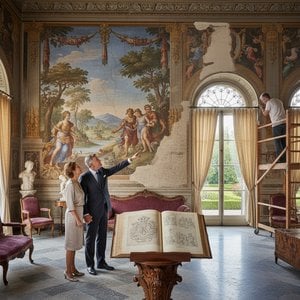
Obiteljski fresko nasljeđe: očuvanje povijesti i identiteta kroz zidnu umjetnost
Otkrijte povijest i umjetnost obiteljskih fresaka! Stručni vodič o tehnici, restauraciji i očuvanju nasljednog nasljeđa. Savjeti za kolekcionare i naručivanje vlastite freske.

Barokna Drama: Uvođenje Velikolepja i Emocija u Savremene Interijere
Otkrijte dramatičnost i raskoš barokne umjetnosti! ArtsDot nudi vrhunske reprodukcije, personalizirane portrete i stručne savjete za integraciju ovog veličanstvenog stila u vaš dom. Kvaliteta zajamčena!

The Enduring Legacy of Fresco Painting: Techniques, History & Contemporary Relevance
Explore the rich history & enduring artistry of fresco painting – from Giotto to Michelangelo! Discover techniques, conservation efforts, & modern applications. Learn how ArtsDot brings this timeless art form to your home.

The Enduring Legacy of Fresco: Technique, History & Artistic Expression Across Cultures
Explore the rich history & enduring legacy of fresco painting! Discover ancient techniques, Giotto's masterpieces, and modern applications. Expert insights for art lovers & professionals.



