


 Pregledaj u stvarnoj veličini
 Podijeli
 Podijeli
 Detalji
 Vodič
Vodič

 Preuzmi datoteku
 Slični predmeti
 Rentgenska snimka
 Slide show
 Statistika
Youth group, Harlem - grupa mladih u Harlemu


 Pročitajte više
Ručno rađena uljana reprodukcija
Ručno oslikano uljanim bojama na platnu u dimenzijama i okviru po vašem izboru, izrađeno po narudžbi od strane naših umjetnika. ( Prebacite na prodaju printova Prebacite na digitalnu prodaju slika)




P118B $10

P118H $10

P118W $10

P438Z $10

P508JH $12

P508YH $12

P805H $10

P805Z $10

P919BZ $10

P919G $10

P919XJ $10

P959ZH $10

P968JZ $12

W106C $8

W218G $10

W218JH $8

W218Y $10

W307PJ $10

W316G $10

W316PJ $8

W316Y $10

W398PJ $8

W4111J $10

W500HY $15

W500JH $15

W692G $12

W849H $8

W940BG $15

W953PJ $8




Odaberite jednu od naših unaprijed definiranih veličina koje odgovaraju izvornim proporcijama umjetničkog djela.

Možete unijeti vlastite dimenzije kako bi odgovarale određenom okviru ili prostoru. Ako odabrana veličina ne odgovara proporcijama izvorne slike, izrezat ćemo umjetničko djelo ili proširiti sliku dodatnim ručno oslikanim elementima. Digitalni nacrt bit će vam poslan na odobrenje prije početka proizvodnje.
Imajte na umu da pregled na ekranu ne prikazuje stvarno izrezivanje ili proširivanje. Samo će nacrt točno prikazati konačni sastav.
Iako su dostupne prilagođene veličine, preporučujemo odabir dimenzije s preddefiniranog popisa kako bismo očuvali izvorne proporcije.
Nakon narudžbe, tim ArtsDot.com kontaktirat će klijenta putem e-pošte radi dobivanja uputa te dostaviti probni prikaz (mockup)
Isporuka širom svijeta () u roku od 3-4 tjedna umjesto standardnih 5 tjedana. (25 Rujan). Bez kompromisa u kvaliteti.

Besplatna ekspresna dostava širom svijeta

Visokokvalitetno laneno platno

Potpuno osiguranje transporta

Jamstvo povrata carine i uvoznih poreza

Jamstvo vjernosti boja

Politika povrata u roku od 100 dana (samo u slučaju nedostataka)

Jamstvo povrata 100% novca

Popust na više proizvoda
 Opcija stakla dostupna je samo za dimenzije manje od 110 cm

Youth group, Harlem - grupa mladih u Harlemu
Tehnika izrade
Veličina reprodukcije
-


Ukupna cijena
$ 263
Youth Group, Harlem – Jacob Lyon: Nostalgia for Innocence Captured in Monochrome
Jacob Lyon’s “Youth Group, Harlem” isn't merely a photograph; it’s a poignant snapshot of American optimism frozen in time. Executed in stark black and white, the image transports us back to an era defined by youthful idealism and community spirit—specifically, 1950s Harlem during the burgeoning Scout movement. Lyon’s masterful composition draws our eye immediately to the central group of boys standing proudly on the steps of a building, their uniforms radiating a palpable sense of accomplishment. The careful positioning of the bench and chair subtly anchors the scene, creating an intimate tableau that speaks volumes about aspiration and belonging. Lyon's technique is characterized by meticulous attention to detail—a hallmark of his artistic style—evident in the textures of the fabric worn by the boys and the subtle gradations of light and shadow across their faces. The photographer skillfully utilizes natural illumination, enhancing the realism of the image without resorting to artificial enhancements. This understated approach underscores Lyon’s belief that truth resides in simplicity and observation, mirroring the humanist values prevalent during his time. The photograph's historical context is crucial to understanding its emotional resonance. Harlem during the 1950s represented a beacon of hope for African Americans striving towards social mobility and cultural enrichment—a period marked by significant advancements in civil rights activism and educational opportunities. Lyon captures this spirit beautifully, portraying young men embodying the values of responsibility, camaraderie, and ambition. The image evokes feelings of nostalgia for a bygone era – an idealized vision of youthfulness and collective purpose that continues to inspire contemplation today.- Artist: Jacob Lyon (1586-1648)
- Medium: Black and White Photography
- Size: 23 x 18 cm
- Date: Unknown
Srodna umjetnička djela


Biografija umjetnika
Lucas Cranach the Younger: A Master of Renaissance Portraiture and Religious Drama
Born in Eisleben, Saxony, around 1506 and tragically dying in Wittenberg in 1586, Lucas Cranach the Younger stands as a pivotal figure in the German Renaissance. Often overshadowed by his more famous father, Lucas Cranach the Elder, he nonetheless forged a distinctive artistic path, becoming renowned for his captivating portraits, dramatic religious scenes, and significant contributions to the visual culture of his time. His legacy rests not just on technical skill but also on his astute understanding of humanist ideals and his ability to capture the complexities of human emotion within the framework of both secular and sacred subjects.
Cranach’s early artistic development was deeply influenced by his father, a leading painter in Leipzig and later Wittenberg. However, Lucas the Younger quickly established his own style, characterized by a vibrant palette, dynamic compositions, and an unparalleled ability to imbue his figures with psychological depth. Unlike the more austere Mannerism prevalent elsewhere in Europe at the time, Cranach’s work retained a strong connection to the naturalism of the High Renaissance, particularly drawing inspiration from Italian masters like Leonardo da Vinci and Raphael. This influence is evident in his meticulous attention to detail, his skillful use of light and shadow, and his graceful rendering of human forms.
His career unfolded against the backdrop of a rapidly changing Germany, marked by religious upheaval and political intrigue. Wittenberg, where he spent most of his life, was the seat of Martin Luther’s Reformation, and Cranach found himself deeply involved in the theological debates of the era. He became a staunch supporter of the Reformation, providing portraits for prominent reformers like Luther himself and producing numerous prints that disseminated Protestant ideas throughout Germany. These prints – often featuring biblical scenes or allegorical representations of religious concepts – were crucial tools in shaping public opinion and solidifying the new religious order.
The Portraitist: Capturing Character and Power
While Cranach’s religious works are undeniably significant, he is perhaps best remembered for his remarkably astute and psychologically penetrating portraits. He possessed a rare gift for capturing not just physical likeness but also the character, personality, and social standing of his subjects. His portraits of figures like Martin Luther, Philip Melanchthon, Erasmus, and numerous members of the Saxon court are considered masterpieces of Renaissance portraiture. These works demonstrate an extraordinary ability to convey inner thoughts and emotions through subtle gestures, facial expressions, and carefully chosen attire.
Cranach’s approach to portraiture was deeply informed by humanist ideals, which emphasized the importance of individual identity and self-expression. He frequently employed innovative compositional techniques – such as asymmetrical arrangements and dynamic diagonals – to create a sense of movement and vitality within his portraits. Furthermore, he skillfully integrated symbolic elements into his paintings, using clothing, objects, and settings to communicate hidden meanings and allude to the subject’s virtues or vices.
His portraiture wasn't limited to religious figures; he also painted numerous secular subjects, including nobility, merchants, and artists. These portraits offer a fascinating glimpse into the social and cultural life of 16th-century Germany, revealing the ambitions, anxieties, and aspirations of individuals from all walks of life.
Religious Drama: Myth, Allegory, and Biblical Narrative
Beyond his portraiture, Cranach’s religious paintings are characterized by their dramatic intensity and masterful use of color. He frequently depicted scenes from the Bible, the lives of saints, and allegorical representations of Christian virtues and vices. These works were not merely decorative; they served as powerful visual sermons, designed to educate and inspire viewers. His depictions of the Passion of Christ, for example, are particularly moving in their emotional intensity and psychological realism.
Cranach’s religious paintings often drew upon classical mythology and medieval iconography, blending these traditions with his own distinctive artistic style. He frequently employed allegorical figures – such as Justice, Faith, and Charity – to convey complex theological concepts. His use of vibrant colors, dynamic compositions, and expressive gestures created a sense of immediacy and drama that captivated audiences.
Notable works in this category include his series of paintings depicting the *Life of St. Elizabeth*, commissioned by the Wittenberg town council, which showcases his ability to combine religious piety with humanist ideals. His depictions of the *Martyrdom of St. Catherine* and *St. Sebastian* are also considered highlights of his oeuvre.
Legacy and Influence
Lucas Cranach the Younger’s influence on subsequent generations of German artists was profound. His dynamic compositions, vibrant color palettes, and psychological realism set a new standard for portraiture and religious painting in Germany. He mentored numerous students, including Lucas Fernau and Christoph Brand, who went on to become accomplished artists in their own right.
His work continues to be studied and admired by art historians and scholars today. Cranach’s paintings offer a valuable window into the cultural and intellectual life of 16th-century Germany, reflecting the complex interplay between religious reform, humanist ideals, and artistic innovation. He remains a vital figure in the history of German Renaissance art, celebrated for his technical skill, his psychological insight, and his enduring contribution to the visual language of the era.

jacob lyon
1586 - 1648 , Netherlands
Brzi pregled
- Artistic Movement Or Style: Genre, village scenes
- Artists Or Movements Influenced By This Artist: ['Flemish landscape painting']
- Artists Who Influenced This Artist:
- Esaias van de Velde
- Pieter Brueghel the Elder
- Pieter Brueghel the Younger
- David Vinckboons
- Date Of Birth: c. 1586
- Date Of Death: 1666
- Full Name: Joost Cornelisz Droochsloot
- Nationality: Dutch
- Notable Artworks:
- Village street scene
- Moral allegories
- Biblical stories
- Place Of Birth: Badajoz, Spain
Povezani članci

Monochrome Visions: Exploring the Aesthetic & Historical Significance of Black & White Photography
Explore the rich history & artistic power of black and white photography. From early techniques to iconic masters like Ansel Adams, discover why monochrome continues to captivate art lovers today. Expert insights for collectors.

Dark Masterpieces: 10 Iconic Paintings Dominated by Black Tones |
Explore 10 iconic paintings dominated by black tones, from Rembrandt’s chiaroscuro to Goya's dark expressions. Discover the stories behind these masterpieces & find museum-quality art reproductions for your home at .

Documentary Photography's Defining Moments: 10 Masterpieces for Your Home |
Explore 10 defining documentary photography masterpieces – from Dorothea Lange to Robert Capa. Discover powerful stories, iconic images & timeless art for your home. Museum-quality prints at .
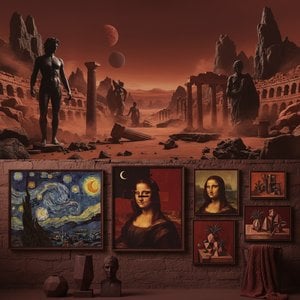
Mars Black Masterpieces: 10 Iconic Paintings & Timeless Art Decor Ideas
Delve into the power of 'Mars Black' with 10 iconic paintings by masters like Rembrandt & Caravaggio. Explore dramatic chiaroscuro, gothic art, and timeless beauty. Find museum-quality reproductions & elevate your home decor on .

Aaron Siskind: Deconstructing Reality – A Photographic Exploration of Texture, Form & the Abstract Landscape
Explore the transformative journey of Aaron Siskind, from social realism to pioneering abstract photography. Discover his iconic series & lasting influence on modern art. A guide for collectors.
