

 Pregledaj u stvarnoj veličini
 Pošalji
 Podijeli
 Detalji o umjetničkom djelu

 Preuzmi
 Slični predmeti
 Rentgenska snimka
 Automatska prezentacija
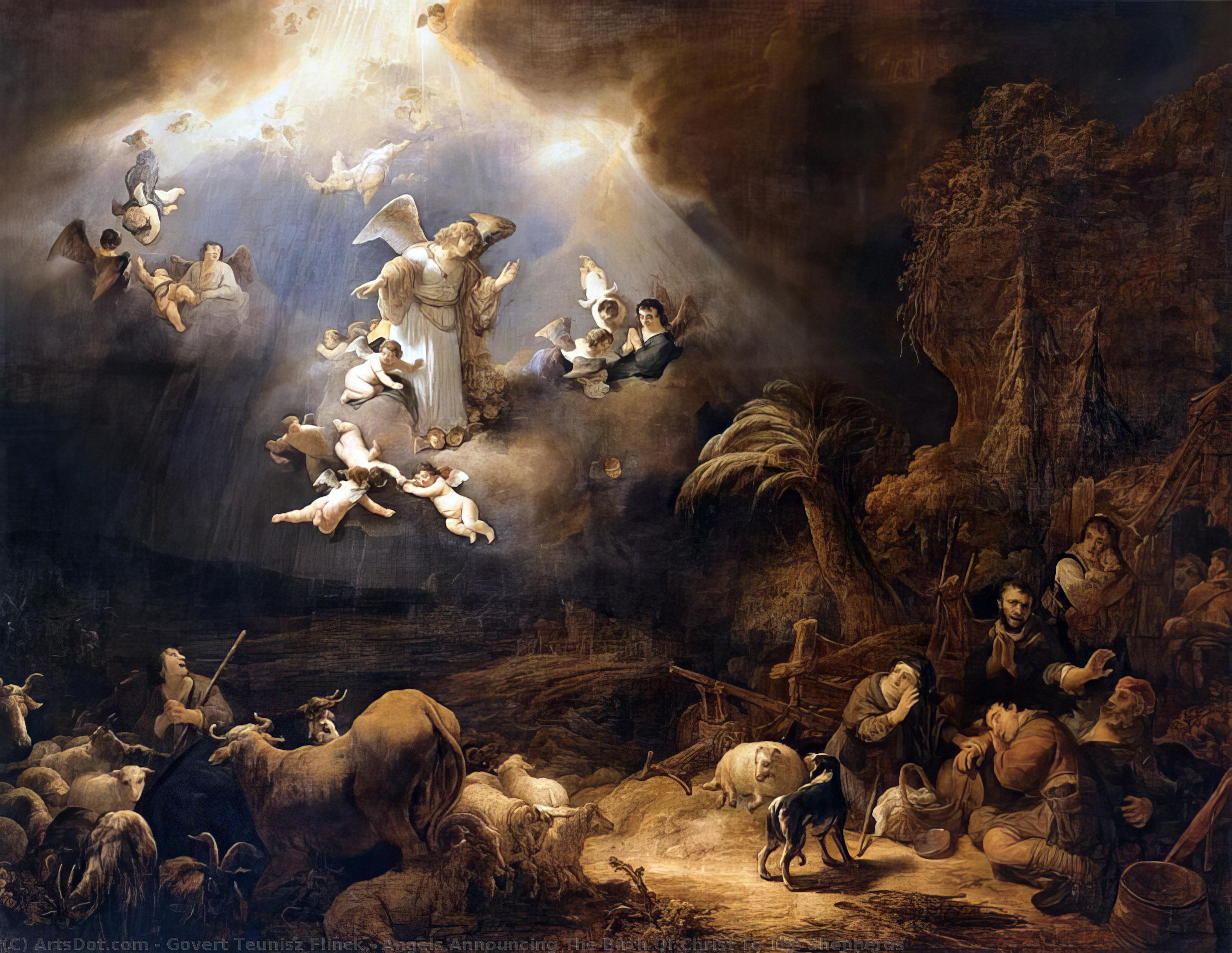
Anđeli objavljuju rođenje Krista pastirima


 Prikaži više
Ručno rađena uljana reprodukcija
Ručno oslikano uljanim bojama na platnu u dimenzijama i okviru po vašem izboru, izrađeno po narudžbi od strane naših umjetnika. ( Kupi print Kupi digitalnu sliku)




P118B $10

P118H $10

P118W $10

P438Z $10

P508JH $12

P508YH $12

P805H $10

P805Z $10

P919BZ $10

P919G $10

P919XJ $10

P959ZH $10

P968JZ $12

W106C $8

W218G $10

W218JH $8

W218Y $10

W307PJ $10

W316G $10

W316PJ $8

W316Y $10

W398PJ $8

W4111J $10

W500HY $15

W500JH $15

W692G $12

W849H $8

W940BG $15

W953PJ $8




Odaberite jednu od naših unaprijed definiranih veličina koje odgovaraju izvornim proporcijama umjetničkog djela.

Možete unijeti vlastite dimenzije kako bi odgovarale određenom okviru ili prostoru. Ako odabrana veličina ne odgovara proporcijama izvorne slike, izrezat ćemo umjetničko djelo ili proširiti sliku dodatnim ručno oslikanim elementima. Digitalni nacrt bit će vam poslan na odobrenje prije početka proizvodnje.
Imajte na umu da pregled na ekranu ne prikazuje stvarno izrezivanje ili proširivanje. Samo će nacrt točno prikazati konačni sastav.
Iako su dostupne prilagođene veličine, preporučujemo odabir dimenzije s preddefiniranog popisa kako bismo očuvali izvorne proporcije.
Nakon narudžbe, tim ArtsDot.com kontaktirat će klijenta putem e-pošte radi dobivanja uputa te dostaviti probni prikaz (mockup).
Isporuka širom svijeta () u roku od 3-4 tjedna umjesto standardnih 5 tjedana. (17 Kolovoz). Bez kompromisa u kvaliteti.

Besplatna ekspresna dostava širom svijeta

Visokokvalitetno laneno platno

Potpuno osiguranje dostave

Jamstvo povrata carine i uvoznih poreza

Garancija vjernog podudaranja boja

Politika povrata u roku od 60 dana (samo u slučaju nedostataka)

Jamstvo povrata 100% novca

Popust na više proizvoda
 Opcija stakla dostupna je samo za dimenzije manje od 110 cm

Anđeli objavljuju rođenje Krista pastirima
Tehnika reprodukcije
Veličina reprodukcije
-


Ukupna cijena
$ 263
Opis umjetničkog djela
Anđelska Objava O Rodolodu Kriste
U srcu umjetnosti Dutch Golden Age, Govert Teunisz Flinck ostavio je neizbrisiv trag svojim remekdjelima, a "Anđelska Objava O Rodolodu Kriste" (Angels Announcing The Birth Of Christ To The Shepherds) iz 1639. godine predstavlja vrhunac njegove vizije – dramatičan prikaz ključne biblijske priče, ispunjen svjetlom, sjeni i dubokim simbolizmom. Ova monumentalna slika nije samo povijesni dokument; ona je snažna manifestacija vjere, čudesnog trenutka i umjetničkog majstorstva koje još uvijek fascinira gledatelje.
Barokna Dramatičnost i Utjecaji
Flinckova radnja uprezana je u duh baroka, ali s naglaskom na osobni stil koji se može prepoznati u djelima Rembrandta. Slika briljira maestralnim korištenjem chiaroscuroa – dramatičnog sukoblja svjetla i sjene – stvarajući intenzivnu emocionalnu atmosferu. Promatrajte kako snažno svjetlo, koje dolazi s neba, obasjava središnjeg anđela i širi se prema iznenađenim pastirima, dok je većina zemnog krajolika ostaje u mračnom umorstvu. Ovaj pristup nije samo estetska odluka; on simbolizira dolazak Božje milosti u svijet koji čeka spasenje.
Tehnika i Materijali: Umjetnički Priključak
Oslikan uljem na platnu, ova slika pokazuje Flinckovu vještinu obrade boja. Koristi slojevite poteze četke i nježne glazure kako bi postigao nevjerojatnu dubinu i teksturu. Obrati pažnju na impasto – gustu primjenu boje – posebno na odjeći anđela i odjevnim predmetima pastira, što daje oštre materijalne kvalitete ovim figurama. Krajoljkopis je prikazan s grubljom teksturom, što se savršeno kombinira s glatkim površinama ljudskih oblika.
Povijesni Kontekst i Sensibilitet Dutch Golden Age
U 17. stoljeću Nizozemska doživjela je bezpripremnu umjetničku cvetanje – Dutch Golden Age. Iako su umjetnici poput Flinka bili poznati po portretima i krajolikima, također su se izvanredno istakli u povijesnim i vjerskim temama. Ova slika odražava period duboke vjere i razvijajuće znanosti. Realističan prikaz pastira, njihovih životinja (uključujući izrazito živahan pas) i pastoralnog krajolika uvode ovu divnu pojavu u svakodnevni život, čineći je razumljivom za suvremenog gledatelja. Dinamična kompozicija, s dijagonalnom osi koja usmjerava pogled prema nebeskom carstvu, pojačava doživljaj duhovnog podizanja.
Simbolizam i Emocionalni Utjecaj
Izvan narativne priče, slika je bogata simbolima. Ovine – predstavljaju Kristove vjernike i ljudsku ranjivost, dok je tamu simbolizira svijet prije Kristovog dolaska, a svjetlo predstavlja Božju nadu i milosrđe. Flinck savršeno hvata niz ljudskih emocija – od molitbenog poštovanja do iznenadene šokiranosti – što odražava dubok utjecaj ovog čudesnog otkrića. Ova slika je više od samo prekrasne slike; ona je snažna izjava koja inspirira razmišljanje i izaziva osjećaj čuda.
Srodna umjetnička djela


Biografija umjetnika
A Life Painted in Light and Shadow: The Story of Govert Teunisz Flinck
Govert Teunisz Flinck, a name that resonates with the golden age of Dutch painting, was more than just a portraitist; he was a conduit between Rembrandt’s revolutionary style and the burgeoning artistic landscape of 17th-century Amsterdam. Born in Kleve, Germany, in 1615 – a city steeped in both German and Dutch influences – Flinck's early life hinted at a path far removed from the world of art. His father, a prosperous cloth merchant, envisioned a future for his son within the trade, but fate intervened with the unexpected guidance of Lambert Jacobsz, a prominent Mennonite preacher and painter who recognized the young man’s innate artistic talent. This pivotal encounter steered Flinck towards Leeuwarden, where he began his formal training under Jacobsz, laying the foundation for a career that would ultimately eclipse his initial aspirations.
The move to Amsterdam in 1633 marked a turning point. There, Flinck entered the studio of Rembrandt van Rijn, a relationship that profoundly shaped his artistic development. Rembrandt’s influence is undeniably present throughout Flinck's oeuvre – particularly in his early works – characterized by dramatic lighting, nuanced expressions, and a masterful manipulation of chiaroscuro. However, unlike Rembrandt, who often embraced theatricality, Flinck gradually developed a more refined and elegant style, incorporating elements of Rubensian dynamism and a heightened sense of realism. This evolution is strikingly evident in pieces like “Isaac Blessing Jacob” (1638), where the composition’s balance and the figures' emotional depth demonstrate a clear departure from Rembrandt’s immediate influence.
The Portraiture of Power and Prestige
Flinck quickly established himself as one of Amsterdam’s most sought-after portraitists, catering to a clientele that included wealthy merchants, civic officials, and prominent members of the Mennonite community. His portraits weren't merely representations of likeness; they were carefully constructed narratives, imbued with social commentary and reflecting the status and aspirations of his subjects. The “Portrait of a Man, probably Augustijn Wtenbogaert (1577-1655)” exemplifies this approach, showcasing an aged sitter rendered with remarkable sensitivity and capturing not only his physical appearance but also the weight of experience etched upon his face. The use of rich fabrics, intricate details in the background, and subtle gestures all contribute to a portrait that transcends simple likeness, offering a glimpse into the subject’s life and character.
His commissions for civic guardsmen – as seen in “Officers and Other Civic Guardsmen of District XVIII in Amsterdam…” – further cemented his reputation. These works are not simply depictions of military personnel; they are vibrant celebrations of civic pride, meticulously rendered with attention to detail and a keen awareness of the social dynamics at play. The influence of Rembrandt is palpable here, particularly in the dynamic composition and the use of light and shadow to create a sense of movement and drama. The painting captures not just the appearance of the guardsmen but also their role as protectors of Amsterdam’s prosperity and stability.
Beyond the Portrait: Genre Scenes and Religious Narratives
While renowned for his portraits, Flinck's artistic range extended beyond the confines of formal representations. He produced a series of compelling genre scenes – intimate depictions of everyday life – that offered a window into the domestic sphere of 17th-century Amsterdam. These works are characterized by their realism and their ability to capture the nuances of human interaction, revealing both the joys and challenges of daily existence. His religious paintings, such as “Angels Announcing the Birth of Christ to the Shepherds,” demonstrate a masterful command of composition, color, and symbolism, creating scenes that are both visually stunning and emotionally resonant.
Legacy and Influence
Govert Teunisz Flinck’s career spanned nearly four decades, during which he produced an impressive body of work that continues to captivate viewers today. His artistic development—from his early apprenticeship under Rembrandt to the refinement of his own distinctive style—reflects the dynamic artistic climate of the Dutch Golden Age. He left a lasting legacy as one of the most accomplished portraitists and genre painters of his time, influencing generations of artists who followed in his footsteps. His works are now housed in prestigious collections around the world, including the Rijksmuseum in Amsterdam, testament to his enduring contribution to the history of art.

govert teunisz flinck
1615 - 1660 , Germany
Osnovne informacije
- Artistic Movement Or Style: Baroque
- Artists Or Movements Influenced By This Artist: ['Peter Paul Rubens']
- Artists Who Influenced This Artist: ['Rembrandt']
- Date Of Birth: January 25, 1615
- Date Of Death: February 2, 1660
- Full Name: Govert Teunisz Flinck
- Nationality: Dutch
- Notable Artworks:
- Angels Announcing Christ
- Portrait of a Man
- Officers Civic Guardsmen
- Place Of Birth: Kleve, Germany
Srodni članci

Zlatno Dobo Nizozemske: 10 Remekdjela Koja Su Definirala Umjetnost i Dekor
Otkrijte remekdjela nizozemskog Zlatnog doba! Uronite u svijet Rembrandta, Vermeera i drugih majstora. 10 slika koje su definirale holandsku umjetnost & barokni stil. Inspirirajte se za dekoraciju doma s ArtsDot.com – reprodukcije vrhunske kvalitete!

Golden Age Reflections: Dutch Baroque Painting & Cultural Innovation
Explore the Dutch Golden Age of painting! Discover key artists like Vermeer & ter Borch, their innovative techniques, and the rich cultural context behind these Baroque masterpieces. Learn about collecting & appreciating this iconic art period.

Illuminating Innovation: Exploring the Dutch Golden Age of Painting
Explore the Dutch Golden Age of painting with ArtsDot. Discover Rembrandt, Vermeer & other Masters. Learn about key characteristics, iconic artworks, and lasting influence. Expert insights for collectors & enthusiasts.
Illuminating Realism: Exploring the Dutch Golden Age of Painting (1600-1700)
Explore the Dutch Golden Age of painting (1600-1700) with ArtsDot. Discover Rembrandt, Vermeer & other masters. Learn about techniques, history & find museum-quality reproductions.

Charles Leickert: Capturing the Dutch Golden Age Light – A Comprehensive Study of Technique, Context, and Legacy
Explore the captivating winter landscapes of Charles Leickert, a master of Dutch Golden Age light & atmosphere. Discover his techniques, symbolism, and lasting legacy – a comprehensive study for art enthusiasts and collectors.


