


 Pregledaj u stvarnoj veličini
 Pošalji
 Podijeli
 Detalji o umjetničkom djelu

 Preuzmi
 Slični predmeti
 Rentgenska snimka
 Automatska prezentacija
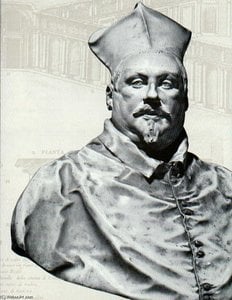
Bust of Cardinal Gian Carlo de' Medici


 Prikaži više
Ručno rađena uljana reprodukcija
Ručno oslikano uljanim bojama na platnu u dimenzijama i okviru po vašem izboru, izrađeno po narudžbi od strane naših umjetnika. ( Kupi print Kupi digitalnu sliku)




P118B $10

P118H $10

P118W $10

P438Z $10

P508JH $12

P508YH $12

P805H $10

P805Z $10

P919BZ $10

P919G $10

P919XJ $10

P959ZH $10

P968JZ $12

W106C $8

W218G $10

W218JH $8

W218Y $10

W307PJ $10

W316G $10

W316PJ $8

W316Y $10

W398PJ $8

W4111J $10

W500HY $15

W500JH $15

W692G $12

W849H $8

W940BG $15

W953PJ $8




Odaberite jednu od naših unaprijed definiranih veličina koje odgovaraju izvornim proporcijama umjetničkog djela.

Možete unijeti vlastite dimenzije kako bi odgovarale određenom okviru ili prostoru. Ako odabrana veličina ne odgovara proporcijama izvorne slike, izrezat ćemo umjetničko djelo ili proširiti sliku dodatnim ručno oslikanim elementima. Digitalni nacrt bit će vam poslan na odobrenje prije početka proizvodnje.
Imajte na umu da pregled na ekranu ne prikazuje stvarno izrezivanje ili proširivanje. Samo će nacrt točno prikazati konačni sastav.
Iako su dostupne prilagođene veličine, preporučujemo odabir dimenzije s preddefiniranog popisa kako bismo očuvali izvorne proporcije.
Nakon narudžbe, tim ArtsDot.com kontaktirat će klijenta putem e-pošte radi dobivanja uputa te dostaviti probni prikaz (mockup).
Isporuka širom svijeta () u roku od 3-4 tjedna umjesto standardnih 5 tjedana. (12 Kolovoz). Bez kompromisa u kvaliteti.

Besplatna ekspresna dostava širom svijeta

Visokokvalitetno laneno platno

Potpuno osiguranje dostave

Jamstvo povrata carine i uvoznih poreza

Garancija vjernog podudaranja boja

Politika povrata u roku od 60 dana (samo u slučaju nedostataka)

Jamstvo povrata 100% novca

Popust na više proizvoda
 Opcija stakla dostupna je samo za dimenzije manje od 110 cm

Bust of Cardinal Gian Carlo de' Medici
Tehnika reprodukcije
Veličina reprodukcije
-


Ukupna cijena
$ 263
Opis umjetničkog djela
Bust of Cardinal Gian Carlo de' Medici – A Baroque Masterpiece Revisited
Giovanni Battista Foggini’s “Bust of Cardinal Gian Carlo de' Medici” stands as a testament to the grandeur and meticulous artistry of Florentine Baroque sculpture. Created in 1680, this monochrome portrait transcends mere representation; it embodies the spirit of its time—a period defined by opulent patronage, dramatic religious fervor, and an unwavering pursuit of realism—captivating viewers with its profound detail and emotive power.The Sculptor’s Vision: Alessandro Ludovico Borghese's Influence
Giovanni Battista Foggini honed his craft under the tutelage of Alessandro Ludovico Borghese, a celebrated sculptor whose stylistic sensibilities profoundly shaped Foggini’s oeuvre. Borghese championed the principles of Roman Baroque—characterized by monumental scale, theatrical lighting, and an emphasis on conveying psychological depth—influencing Foggini to adopt similar techniques and aesthetic considerations. This formative experience instilled within him a dedication to mastering sculptural form and capturing nuanced expressions of character.Technique & Material: Subtracting Stone for Perfection
Foggini’s mastery lay in subtractive sculpting, a method wherein material was painstakingly removed from a larger block of marble or stone to reveal the desired sculpture. This meticulous process demanded unwavering precision and patience—skills honed through years of apprenticeship—resulting in an astonishing level of textural richness and sculptural accuracy. The sculptor skillfully manipulated chisel and mallet, transforming raw stone into a remarkably lifelike depiction of Cardinal Gian Carlo de' Medici.A Portrait Steeped in Symbolism: Attire & Dignity
The bust’s composition is dominated by the Cardinal’s attire—the mitre (a tall hat worn by bishops) and the clerical robes—symbols laden with religious significance. These garments convey not only his ecclesiastical office but also an aura of solemn dignity and authority, reflecting the elevated status accorded to cardinals within the Medici family and the broader Catholic Church. The artist's gaze is directed upwards, conveying a sense of contemplation and spiritual introspection.Historical Context & Legacy: Villa Lappeggi’s Artistic Ambition
Commissioned by Cardinal Francesco Maria de’ Medici for his villa Lappeggi in the 1680s, “Bust of Cardinal Gian Carlo de' Medici” represents a pivotal moment in Florentine art history. The sculpture was part of a larger series intended to adorn the villa’s interior—a bold undertaking reflecting the Medici family’s commitment to artistic excellence and cultural prestige. Its subsequent journey through various collections underscores its enduring appeal and confirms its place as one of Foggini's most celebrated achievements, continuing to inspire admiration for centuries.Rediscovery & Recognition: From Baroque Shadow to Louvre Spotlight
Initially overlooked by critics, the bust’s attribution to Giambattista Foggini gained traction in 1954 thanks to Molesworth’s scholarship and was subsequently substantiated by other art historians. The discovery of detailed payment records in 2019 further illuminated the commission's origins—revealing that it was undertaken during a period of considerable artistic innovation. Today, “Bust of Cardinal Gian Carlo de' Medici” resides prominently within the Musée du Louvre, Paris, cementing its legacy as a masterpiece of Baroque sculpture and demonstrating Foggini’s unparalleled skill in capturing both likeness and emotion.Srodna umjetnička djela



Biografija umjetnika
The Sculptor of Florentine Grandeur
Giovanni Battista Foggini, a name synonymous with the opulent splendor of the Florentine Baroque, stands as a monumental figure in the history of Italian sculpture. Born in 1652 into a lineage of artisans, his very existence was woven into the fabric of artistic tradition. As the son of a sculptor, the language of form, texture, and medium was his first vernacular. His early training, shaped by the rigorous standards of his family and refined under the guidance of masters like Alessandro Ludovico Borghese, allowed him to absorb the technical precision required for the most demanding commissions. Foggini did not merely practice sculpture; he breathed life into stone and bronze, transforming cold materials into narratives of divine and earthly power.
The trajectory of Foggini’s career was inextricably linked to the illustrious Medici court. This prestigious patronage provided him with an unparalleled stage upon which to display his virtuosity. His ability to navigate the complex social and political landscapes of Florence allowed him to secure works that would define the aesthetic of an era. Through his hands, the architectural spaces of the Medici residences and chapels were transformed into theatrical environments where light and shadow danced across meticulously carved surfaces. His mastery extended beyond the singular figure to the very essence of architectural embellishment, making him a central architect of the Florentine Baroque identity.
Mastery of Form and the Roman Influence
While Foggini’s heart remained rooted in the traditions of Florence, his artistic soul was deeply stirred by the dramatic innovations emerging from Rome. The shadow of Gian Lorenzo Bernini loomed large over the Italian peninsula, and Foggini skillfully integrated this Roman dynamism into his local style. He embraced the theatricality of the Baroque, utilizing contrapposto to instill his figures with a sense of kinetic energy and psychological depth. This infusion of movement allowed his sculptures to transcend static representation, capturing moments of profound emotion and spiritual ecstasy that resonated with the fervor of the Counter-Reformation.
His technical repertoire was as diverse as it was impressive. Whether working in the delicate, translucent medium of marble or the robust, enduring strength of bronze, Foggini demonstrated an uncanny ability to manipulate texture. In his bronze statuary, one can observe a breathtaking attention to detail, where every fold of drapery and every anatomical nuance is rendered with startling realism. This skill is perhaps most evident in his portraiture, such as his Bust of Cardinal Gian Carlo de' Medici, where the artist captures not just the likeness, but the very presence and authority of the subject through expressive detail and masterful modeling.
A Lasting Legacy in Stone and Bronze
The achievements of Foggini are etched into the very landscape of Florence. His monumental contributions, such as the Tomb of Galileo Galilei and the intricate decorations within the Corsini Chapel, serve as enduring testaments to his ability to marry scientific reverence with religious devotion. In these works, he achieved a rare synthesis of narrative complexity and aesthetic harmony, creating spaces that invite contemplation of both the celestial and the terrestrial.
Beyond individual masterpieces, Foggini’s historical significance lies in his role as the bridge between the late Renaissance traditions of Florence and the exuberant Baroque movement. He revitalized the Florentine sculptural tradition, ensuring it remained a vibrant and competitive force against the Roman school. His legacy is found in:
- The Elevation of Bronze Casting: His ability to push the boundaries of bronze work set new standards for decorative and commemorative sculpture.
- Architectural Integration: His seamless blending of sculptural reliefs with architectural frameworks, as seen in the Decoration of the Feroni Chapel.
- Portraiture as Narrative: The creation of intimate yet powerful portraits, such as his depiction of Anna Maria Luisa de' Medici as a Child, which captured the human element within the grandiosity of the court.
As we look back upon the life of Giovanni Battista Foggini, we see more than just a skilled craftsman; we see an artist who captured the pulse of an age. His work remains a profound exploration of movement, emotion, and the eternal struggle to immortalize the fleeting beauty of life through the permanence of art.

giambattista foggini
1652 - 1725 , Italy
Osnovne informacije
- Artistic Movement Or Style: Baroque Sculpture
- Date Of Birth: Florence, Italy (1652)
- Date Of Death: 1725
- Full Name: Giovanni Battista Foggini
- Nationality: Italian
- Notable Artworks:
- Bust of Cardinal Gian Carlo de' Medici
- Tomb of Galileo
- Time Ravishing Beauty
- Place Of Birth: Florence
Srodni članci
Gian Lorenzo Bernini: Sculpting Baroque Emotion & the Roman Imagination
Explore the life & revolutionary art of Gian Lorenzo Bernini, the master sculptor of the Baroque era. Discover his iconic works like David and Ecstasy of Saint Teresa – a journey into Roman artistic genius.

Theatricality & Triumph: Baroque Drama in Painting & Sculpture
Explore the dramatic world of Baroque art! Discover its history, defining characteristics, & lasting influence on painting & sculpture. Expert insights into Caravaggio, Zurbarán, and Bernini – plus high-quality reproductions at ArtsDot.

The Dramatic Flourish: Exploring the Baroque Movement's Enduring Legacy in Art History
Explore the dramatic world of Baroque art! Discover iconic artists like Caravaggio & Rubens, defining techniques, and its lasting impact on art history. Expert insights for collectors & enthusiasts at ArtsDot.

Barokna Umjetnost: Povijesni Kontekst, Karakteristike i Trajni Utjecaj
Otkrijte fascinantan svijet barokne umjetnosti! Analizirajte povijesni kontekst, ključne karakteristike i trajni utjecaj ovog monumentalnog europskog stila. Stručni vodič za ljubitelje umjetnosti.

Renaissance Mannerism: Style, Subtlety & the Transition from Harmony to Artifice
Explore the captivating world of Renaissance Mannerism! Discover its key characteristics, pioneering artists like Pontormo & Bronzino, and its pivotal role in art history. Expert insights & museum-quality reproductions at ArtsDot.


