


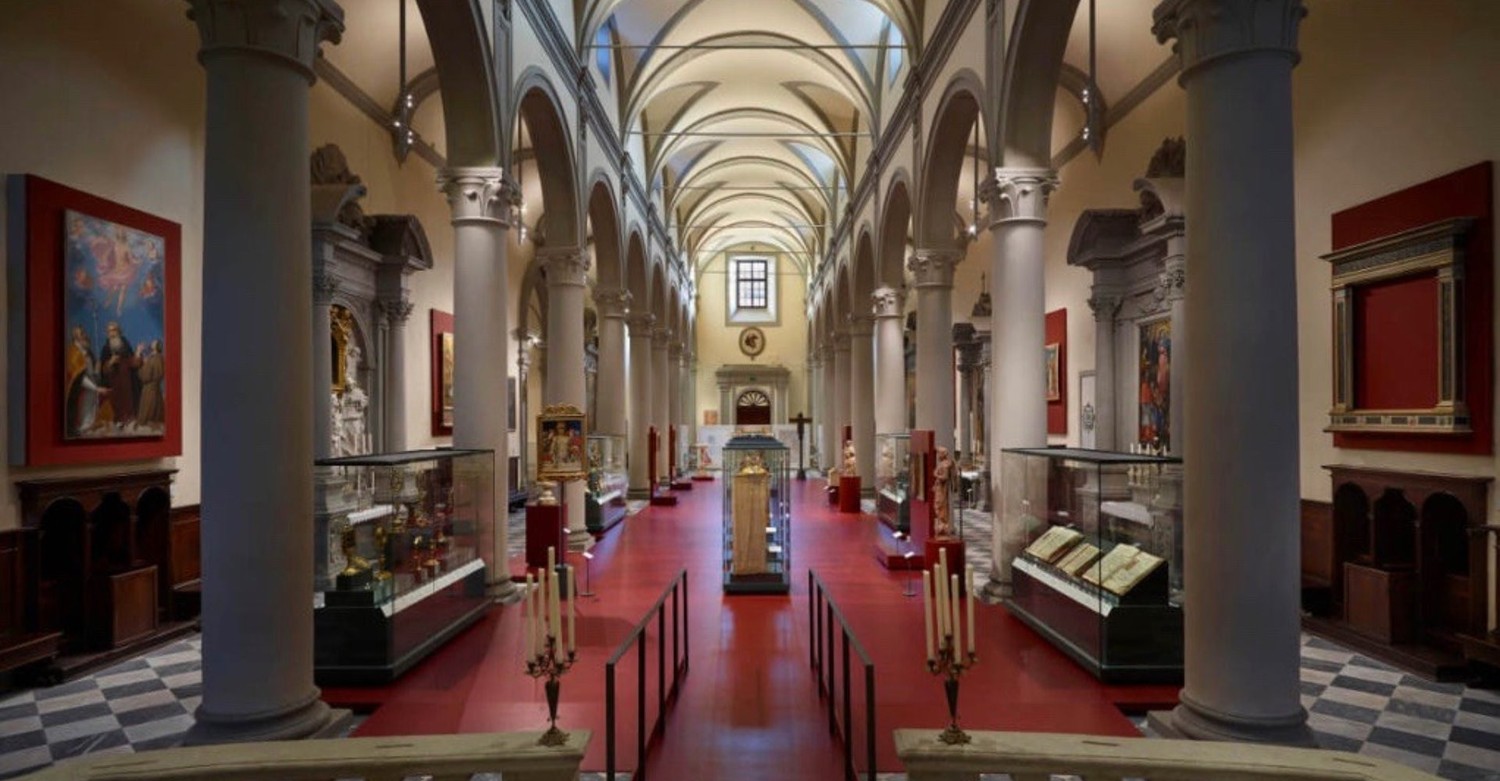
A Glimpse into Tuscan Faith: Exploring the Diocesan Museum of Sacred Art in Volterra
Nestled high within the ancient walls of Volterra, a city steeped in Etruscan, Roman, and medieval history, lies a treasure trove of religious artistry – the Diocesan Museum of Sacred Art. More than simply a collection of artifacts, this museum offers an intimate journey into the spiritual heart of the Volterra diocese, revealing centuries of devotion expressed through breathtaking paintings, intricate terracotta sculptures, and meticulously crafted liturgical objects. It’s a place where the echoes of past faith resonate within the very stones of the cathedral complex that houses it, providing a unique perspective on art's enduring role in shaping regional identity.
The museum’s focus is remarkably localized, offering a concentrated view of religious art specifically connected to Volterra and its surrounding area. Unlike grand national museums, this institution feels profoundly personal, as if stepping directly into the lives and beliefs of generations past. The collection isn't merely displayed; it’s presented within the context of the community that created and cherished these works, fostering a deeper appreciation for their significance.
Masters of Mannerism and Terracotta: Key Artists and Collection Highlights
The museum’s narrative is powerfully shaped by two dominant artistic voices: Rosso Fiorentino and Giovanni della Robbia. Rosso Fiorentino, a master of the Mannerist style, injects a dramatic intensity into his paintings – particularly evident in works depicting saints and biblical scenes. His expressive brushwork and use of color create a palpable sense of emotion, inviting viewers to contemplate the narratives they represent. A standout example is the Villamagna Altarpiece, a monumental work showcasing Rosso Fiorentino’s signature dynamism and psychological depth.
In stark contrast, Giovanni della Robbia's terracotta sculptures embody a serene elegance and technical mastery. His figures possess an almost ethereal quality, achieved through meticulous modeling and a delicate handling of the material. The museum boasts several exquisite examples of his work, including depictions of angels and saints – each piece a testament to his unparalleled skill in capturing human form and conveying spiritual grace. The bust of Saint Victor, Volterra’s patron saint, is particularly poignant, embodying both solemnity and local devotion.
Beyond these key figures, the collection overflows with devotional pieces: intricately carved reliquaries, vibrant icon paintings, and beautifully adorned liturgical objects that speak to the rituals and practices of the diocese. The museum also houses a remarkable selection of early Christian art, offering a fascinating glimpse into the evolution of religious iconography.
A Cathedral Within a Cathedral: Architectural Context and Historical Layers
The museum’s location within the historic cathedral complex is integral to its experience. While precise details regarding the cathedral's architectural evolution are somewhat limited in readily available information, it’s clear that this structure has undergone numerous transformations throughout its long history – reflecting the layered influences of Etruscan, Roman, and medieval builders. The museum itself is housed within a portion of the original cathedral, seamlessly blending into the existing fabric of the building.
The imposing presence of the Volterra Cathedral, with its soaring arches and intricate stonework, provides a powerful backdrop for the collection. Its Romanesque origins are evident in the robust construction and simple yet elegant design, while later additions – particularly the Renaissance-influenced transept – demonstrate the cathedral’s ongoing adaptation to changing artistic tastes. The museum's placement within this architectural tapestry underscores the enduring connection between faith, art, and community.
Unique Aspects & A Lasting Impression
What truly distinguishes the Diocesan Museum of Sacred Art is its intimate scale and localized focus. It’s not a vast, overwhelming collection; rather, it's a carefully curated selection that offers a deeply personal glimpse into the religious art specifically connected to Volterra and its surrounding region. This sense of immediacy—of encountering works created by artists who lived and worked within this very community—is profoundly moving.
Furthermore, the museum’s collection showcases an extraordinary diversity of artistic styles and techniques, from the vibrant colors of Renaissance paintings to the delicate craftsmanship of della Robbia's terracotta sculptures. It serves as a vital link between the art and the ongoing spiritual life of the local community, inviting visitors to contemplate the enduring power of faith and artistry. A visit here is more than just an art experience; it’s a journey into the soul of Volterra.


