
- होमपेज

- कैनवस पर प्रिंट हेतु
- पॉल क्ले
- Six species

 पेंटिंग ऑर्डर करें छवि खरीदें
 साझा करें
 साझा करें
 विस्तृत विवरण
 पसंदीदा में जोड़ें

 डाउनलोड करें
 समान कलाकृतियाँ
 एक्स-रे
 स्लाइड शो देखें
Six species


 पूरा देखें
गिक्ली / आर्ट प्रिंट
तेज़ उत्पादन और विभिन्न फिनिश विकल्पों के साथ म्यूजियम-क्वालिटी गिकली (giclée) या कैनवस प्रिंट।




P118B $10

P118H $10

P118W $10

P438Z $10

P508JH $12

P508YH $12

P805H $10

P805Z $10

P919BZ $10

P919G $10

P919XJ $10

P959ZH $10

P968JZ $12

W106C $8

W218G $10

W218JH $8

W218Y $10

W307PJ $10

W316G $10

W316PJ $8

W316Y $10

W398PJ $8

W4111J $10

W500HY $15

W500JH $15

W692G $12

W849H $8

W940BG $15

W953PJ $8




कलाकृति के मूल अनुपात से मेल खाने वाले हमारे पूर्व निर्धारित आकारों में से चुनें।

आप किसी विशिष्ट फ्रेम या स्थान के अनुसार अपने स्वयं के आयाम (dimensions) दर्ज कर सकते हैं। यदि आपके द्वारा चुना गया आकार मूल छवि के अनुपात से मेल नहीं खाता है, तो हम कलाकृति को क्रॉप कर देंगे या मिरर किए गए या सॉलिड-फिल किनारे के साथ छवि का विस्तार करेंगे। उत्पादन शुरू होने से पहले आपकी स्वीकृति के लिए एक डिजिटल मॉकअप भेजा जाएगा।
कृपया ध्यान दें कि स्क्रीन पर दिखने वाला प्रीव्यू वास्तविक क्रॉपिंग या विस्तार को नहीं दर्शाता है। केवल मॉकअप ही अंतिम संरचना को सटीक रूप से दिखाएगा।
हालाँकि कस्टम आकार उपलब्ध हैं, फिर भी हम मूल अनुपात बनाए रखने के लिए पूर्व-निर्धारित सूची में से एक आयाम चुनने की सलाह देते हैं।
विश्वव्यापी डिलीवरी (), मानक 4/5 सप्ताह के बजाय मात्र 2 सप्ताह में। (19 जुलाई)

दुनिया भर में मुफ़्त एक्सप्रेस शिपिंग

उच्च गुणवत्ता वाला लिनेन कैनवास

पूर्ण शिपिंग बीमा

सीमा शुल्क और आयात कर वापसी की गारंटी

सटीक रंग मिलान की गारंटी

60-दिन की वापसी नीति (केवल दोषों के लिए)

100% पैसे वापसी की गारंटी

थोक छूट का लाभ
 ग्लास का विकल्प केवल 110 सेमी से कम आकार में ही उपलब्ध है।

Six species
गिक्ली / आर्ट प्रिंट
प्रतिकृति का आकार
-


कुल देय राशि
-
संग्रहणीय वस्तु का विवरण
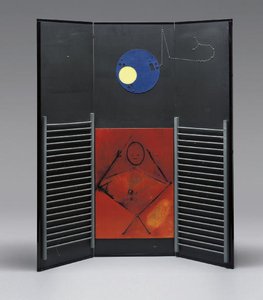
The Enigmatic World of “Six Species” by Paul Klee
Paul Klee’s “Six Species,” painted in 1921 during a period of intense experimentation and exploration within his artistic practice, is far more than a simple depiction of abstract forms. It's a visual poem, a meditation on the relationship between nature, humanity, and the subconscious – a key that unlocks much of Klee’s unique and profoundly affecting oeuvre. Created in the wake of his time in Tunisia, where he was deeply influenced by the vibrant colors and rhythms of North African life, the painting embodies a shift towards greater abstraction while retaining the artist's characteristic blend of childlike wonder and intellectual rigor.
The composition itself is deceptively simple. Six distinct shapes – squares, triangles, circles, and more complex geometric arrangements – dominate the canvas. Each element is rendered in muted tones: browns, reds, blues, and greys, applied with Klee’s signature layering technique, creating a sense of depth and luminosity. These aren't meticulously defined forms; rather, they possess an inherent ambiguity, inviting the viewer to project their own interpretations onto them. They resemble stylized creatures, fragments of landscapes, or perhaps even symbolic representations of human emotions – deliberately open to multiple readings.
A Surrealist Exploration & Bauhaus Roots
While often categorized alongside Surrealism due to its dreamlike quality and departure from strict realism, “Six Species” is firmly rooted in Klee’s broader artistic development. The influence of the Bauhaus movement, which he taught at during this period, is evident in his emphasis on form, color theory, and the integration of art with design. Klee was deeply interested in exploring the relationship between music and visual art; he often described painting as a kind of musical arrangement, carefully balancing elements to create a harmonious whole. This compositional sensibility is clearly reflected in the balanced yet dynamic arrangement of the shapes within “Six Species.”
The painting’s creation coincided with Klee's exploration of automatism – a technique where artists attempt to bypass conscious control and allow their subconscious to guide the creative process. This approach, combined with his fascination with mythology and folklore, fueled his desire to create images that were both familiar and utterly strange. The forms in “Six Species” possess an almost primitive quality, reminiscent of ancient symbols and tribal art – a deliberate nod to the universal language of imagery.
Decoding Symbolism & Emotional Resonance
The precise meaning of each shape remains deliberately elusive, contributing significantly to the painting’s enduring appeal. Some scholars suggest that they represent different aspects of human experience—perhaps joy, sorrow, curiosity, or even the fundamental forces of nature. The central circle, with its radiating lines, could be interpreted as a symbol of life itself, constantly expanding and evolving. The triangles might evoke mountains or ancient structures, while the squares could represent stability or confinement.
Beyond specific interpretations, “Six Species” evokes a profound sense of mystery and wonder. The muted color palette creates an atmosphere of quiet contemplation, inviting viewers to lose themselves in the painting’s intricate details. Klee's masterful use of layering and transparency imbues the work with a dreamlike quality, suggesting that we are glimpsing something beyond our everyday perception – a hidden world of symbols and emotions.
A Timeless Masterpiece: Reproduction & Display
ArtsDot is proud to offer meticulously hand-painted reproductions of Paul Klee’s “Six Species,” capturing the essence of this iconic work with unparalleled fidelity. Our artists recreate Klee's delicate layering, nuanced color palette, and characteristic brushwork, ensuring that your reproduction will be a stunning addition to any art collection or interior space.
Whether displayed in a gallery, a study, or a living room, “Six Species” will serve as a constant source of inspiration and contemplation. Consider framing the artwork within a simple, elegant frame to allow its intricate details to shine through, or opt for a museum-quality canvas wrap for a more contemporary look. Let this enigmatic masterpiece transport you to the world of Paul Klee – a world where art is both a reflection of our inner selves and a window into the mysteries of the universe.
संबद्ध कलाकृतियाँ



कलाकार का जीवन परिचय
पॉल क्ले: रंग और कल्पना का एक जीवन
पॉल क्ले, जिनका नाम 20वीं सदी के कला जगत में एक अद्वितीय स्थान रखता है, एक ऐसे कलाकार थे जिन्होंने अपनी रचनाओं में खेल-भावना और गहन भावनात्मक गहराई का अद्भुत मिश्रण प्रस्तुत किया। 18 दिसंबर, 1879 को स्विट्जरलैंड के मुनचेनबुचसी में जन्मे, उनका कलात्मक सफर निरंतर खोज का रहा, जिसने अभिव्यक्तिवाद, घनत्ववाद (Cubism) और अतियथार्थवाद (Surrealism) से प्रभावित होकर एक विशिष्ट दृश्य भाषा बनाई। क्ले के पालन-पोषण ने कला के प्रति शुरुआती प्रशंसा को बढ़ावा दिया; उनके पिता, जो जर्मन संगीत शिक्षक थे, और उनकी मां, एक स्विस गायिका, ने उन्हें ध्वनिक और दृश्य सद्भाव दोनों के प्रति संवेदनशीलता प्रदान की। यह मूलभूत संबंध संगीत और चित्रकला के बीच एक परिभाषित विशेषता बन गया, न केवल उनकी रचना संबंधी दृष्टिकोण बल्कि कला को संगीत व्यवस्था के समान अमूर्त अभिव्यक्ति के रूप में समझने के उनके सैद्धांतिक दृष्टिकोण को भी आकार दिया। शुरुआत में रेखाचित्रों की ओर आकर्षित होने के बाद, क्ले ने यथार्थवादी प्रतिनिधित्व का पीछा छोड़ दिया, यह महसूस करते हुए कि यह भावनाओं और विचारों की आंतरिक दुनिया को व्यक्त करने में सीमित है जो उन्होंने व्यक्त करना चाहा था। 1898 से 1901 तक उन्होंने म्यूनिख के फाइन आर्ट्स अकादमी में दाखिला लिया, जो एक ऐसा दौर था जिसमें प्रयोग और उनकी अनूठी कलात्मक आवाज के विकास का प्रतीक था।कलात्मक दृष्टिकोण का निर्माण
क्ले के शुरुआती कार्यों में आर्ट नोव्यू और प्रतीकात्मकता (Symbolism) का प्रभाव दिखाई देता है, फिर भी इन ढांचों के भीतर भी, उनके भविष्य की शैली के संकेत उभरने लगे थे। उनके कलात्मक विकास का एक महत्वपूर्ण क्षण 1914 में ट्यूनीशिया की यात्रा था। उत्तरी अफ्रीका के तीव्र प्रकाश और जीवंत वातावरण ने उनके रंग के उपयोग को गहराई से प्रभावित किया, जिससे उन्हें सुस्त स्वरों से आगे बढ़कर बोल्डर, अधिक अभिव्यंजक पैलेट की ओर प्रेरित किया। इस अनुभव ने एक निर्णायक मोड़ चिह्नित किया, अमूर्तता के प्रति उनकी प्रतिबद्धता को मजबूत किया क्योंकि यह धारणा के सार को पकड़ने का साधन था, न कि केवल इसकी सतह के रूप में। वे ट्यूनीशिया को बस *देख* नहीं रहे थे; वे अपनी भावनात्मक प्रतिध्वनि को दृश्य रूप में अनुवाद कर रहे थे। इस दौरान, क्ले ने विभिन्न कलात्मक आंदोलनों के साथ संपर्क किया, उनके सिद्धांतों को आत्मसात करते हुए, फिर भी किसी भी एकल विचारधारा के पूर्ण पालन का विरोध करते हुए। संगीत में उनकी रुचि सर्वोपरि रही, और उन्होंने अक्सर पेंटिंग को एक संगीत रचना के समान प्रक्रिया के रूप में वर्णित किया - सामंजस्यपूर्ण संपूर्ण बनाने के लिए तत्वों की सावधानीपूर्वक व्यवस्था। यह संवेदी दृष्टिकोण उनकी रेखाओं की लयबद्ध गुणवत्ता, रंगों के नाजुक संतुलन और कई कार्यों में व्याप्त गति की समग्र भावना में स्पष्ट है।बाउहाउस और उससे आगे: समृद्धि का दौर
1931 से 1933 तक, क्ले ने वाल्टर ग्रोपियस द्वारा आमंत्रित किए जाने पर प्रभावशाली बाउहाउस स्कूल ऑफ आर्ट, डिजाइन और आर्किटेक्चर में एक शिक्षण पद स्वीकार किया। यह अवधि उनके कलात्मक विकास के लिए असाधारण रूप से फलदायी साबित हुई। नवोन्मेषी विचारकों और साथी कलाकारों से घिरे, उन्होंने एक ऐसे वातावरण में पनपा, जिसने प्रयोग और सैद्धांतिक जांच को प्रोत्साहित किया। इन वर्षों के दौरान उनके काम ने रंग सिद्धांत और औपचारिक संबंधों में गहराई से उतरते हुए, अमूर्त रूपों और भावनात्मक अभिव्यक्ति के बीच परस्पर क्रिया का पता लगाया। हालाँकि, यह रचनात्मक अभयारण्य नाजीवाद के उदय के साथ टूट गया। 1933 में, नाजियों द्वारा उनकी कला को "विकृत" घोषित किए जाने के कारण क्ले को बाउहाउस से निकाल दिया गया - राजनीतिक विचारधारा द्वारा कलात्मक स्वतंत्रता को दबाने के खतरों का एक भयावह प्रमाण। अपने स्वदेश स्विट्जरलैंड लौटने पर, उन्होंने पेंटिंग जारी रखी, लेकिन बढ़ते राजनीतिक उथल-पुथल और व्यक्तिगत कठिनाई की छाया में उनका स्वास्थ्य बिगड़ गया। इन चुनौतियों के बावजूद, क्ले अपनी कलात्मक दृष्टि के प्रति प्रतिबद्ध रहे, ऐसे कार्य तैयार करते हुए जो युग की चिंताओं को दर्शाते हैं और प्रतिकूलता से ऊपर उठने की कला में उनकी अटूट विश्वास का प्रमाण देते हैं।विषय, शैली और स्थायी विरासत
पॉल क्ले के काम को खेल-भावना और गहन चिंतन के मिश्रण से चिह्नित किया गया है। उन्होंने अक्सर बच्चों जैसी छवियों और सनकी रचनाओं का उपयोग किया, उन्हें प्रतीकात्मक अर्थ की कई परतों से भर दिया। उनके कला में बार-बार आने वाले विषयों में उद्यान, परिदृश्य, चित्र और अमूर्त व्यवस्थाएं शामिल हैं - प्रत्येक मानव अनुभव की जटिलताओं का पता लगाने के लिए एक माध्यम के रूप में काम कर रहा है। उनकी "पॉल क्ले नोटबुक," उनकी मृत्यु के बाद प्रकाशित हुईं, रंग और डिजाइन पर उनके व्यापक सैद्धांतिक जांचों में अमूल्य अंतर्दृष्टि प्रदान करती हैं, जो कलात्मक निर्माण के प्रति एक सावधान और बौद्धिक दृष्टिकोण को प्रकट करती हैं। वे बस पेंटिंग नहीं कर रहे थे; वे सद्भाव, संतुलन और भावनात्मक प्रतिध्वनि के सिद्धांतों पर आधारित एक दृश्य भाषा का निर्माण कर रहे थे। हममत, भाई-बहन, और एन ला कोरिएंट छह उंब्रेल्स उनके रंग और रूप में महारत का प्रदर्शन करने वाले कुछ उदाहरण हैं। पॉल क्ले की विरासत आज भी कलाकारों को प्रेरित करती है और दुनिया भर के दर्शकों को मोहित करती है। उन्हें 20वीं सदी के सबसे महत्वपूर्ण आंकड़ों में से एक माना जाता है, जो आकृतियों और अमूर्त अभिव्यक्ति के बीच की खाई को पाटते हैं और कला के दृश्य संस्कृति में अपने शाश्वत प्रासंगिकता को मजबूत करते हैं।संग्रहालय और आगे की खोज
- ज़ेंट्रम पॉल क्ले (बर्न): क्ले के कार्यों का दुनिया का सबसे बड़ा संग्रह है, जो उनके कलात्मक यात्रा का एक व्यापक अवलोकन प्रदान करता है।
- बर्न फाइन आर्ट्स संग्रहालय: पिकासो और होडलर जैसे अन्य आधुनिक स्वामी के साथ-साथ क्ले के महत्वपूर्ण टुकड़े प्रदर्शित करता है।
- कुन्स्टम्यूजियम बर्न: स्विट्जरलैंड का सबसे पुराना कला संग्रहालय, जिसमें क्ले और अन्य आधुनिक स्वामी के कार्यों सहित विविध संग्रह शामिल हैं।

पॉल क्ले
1879 - 1940 , स्विट्जरलैंड
मुख्य तथ्य
- कलात्मक शैली: अभिव्यक्तिवाद, घनवाद, अतियथार्थवाद
- जन्म तिथि: 18 दिसंबर 1879
- जन्म स्थान: म्यूनखेनबुचसी, स्विट्जरलैंड
- पूरा नाम: पॉल क्ले
- प्रभावित आंदोलन: ['आधुनिक कला']
- प्रभावित कलाकार: ['वासिली कैंडिंस्की']
- प्रमुख कलाकृतियाँ:
- हमामेट
- भाई-बहन
- एन ला कोरिएंट छह थ्रेसहोल्ड
- मृत्यु तिथि: 29 जून 1940
- राष्ट्रीयता: स्विस-जर्मन
संबंधित लेख

पॉल क्ली की शीर्ष 25 कलाकृतियाँ: रंग, रूप और भावनाओं का अद्भुत संगम | ArtsDot
पॉल क्ली की शीर्ष 25 कलाकृतियों का अन्वेषण करें! रंग, रूप और भावनाओं से भरी अमूर्त कला के जादू को जानें। Bauhaus शैली, स्विस कलाकार और आधुनिक कला इतिहास में डूब जाएं। ArtsDot.com पर उच्च-गुणवत्ता वाले कला प्रिंट खोजें।

Paul Klee: A Poetics of Form and Color – Exploring the Inner Landscape of a Modern Master
Explore the captivating world of Paul Klee! Discover his innovative art, Bauhaus influence, & unique symbolic language. Expert analysis & high-quality reproductions at ArtsDot.

Orphism: A Symphony of Color and Form – Exploring the Abstract Roots of Modern Art
Explore Orphism, the vibrant abstract art movement pioneered by Robert & Sonia Delaunay. Discover its unique color theory, lasting influence on modern art, and how to bring this 'symphony of color' into your home with ArtsDot.

रंगों का मनोविज्ञान: कला में मनोदशा और अर्थ को आकार देना
कला में रंगों के मनोविज्ञान को समझें। जानें कि कैसे रंग भावनाओं को प्रभावित करते हैं और कला इतिहास में अर्थ बदलते हैं। ArtsDot से विशेषज्ञ सलाह और अनुकूलित कला समाधान प्राप्त करें।

Beyond Form & Color: Geometric Abstraction's Evolution in 20th/21st Century Art
Explore the evolution of geometric abstraction from Cubism to contemporary art. Discover key artists like Malevich & Mondrian, investment insights, and expert collecting advice at ArtsDot.



