Carolina Raptor Center: A Sanctuary for Birds of Prey and Artistic Inspiration
The Carolina Raptor Center, nestled in the tranquil beauty of Huntersville, North Carolina, transcends its role as a wildlife rehabilitation facility; it’s an unexpected muse for artists seeking inspiration within the natural world. Founded on unwavering dedication to avian welfare—a principle that resonates deeply with artistic values—this center has blossomed from modest beginnings into a nationally recognized institution committed to rescuing injured raptors and educating the public about their crucial contribution to ecological harmony.Collection Highlights: At its core lies an extraordinary outdoor aviary, housing over 30 species of raptors – magnificent eagles like the Golden Eagle, elusive Northern Harriers, majestic owls such as Great Horned Owls, powerful hawks including Red-tailed Hawks and Sharp-shinned Hawks, and soaring vultures like Turkey Vultures. These birds represent not only remarkable feats of biology but also serve as captivating subjects for artistic representation—a challenge that inspires photographers and painters alike to capture their grace and power against the backdrop of North Carolina’s verdant landscapes.
Architectural Elegance: Constructed with a minimalist aesthetic, the Raptor Center's building prioritizes functionality while simultaneously fostering an environment conducive to observation. Expansive windows strategically positioned maximize natural light—a deliberate choice reflecting the artistic pursuit of illuminating subjects and conveying emotion. The design embodies principles of contemplative space, mirroring the spirit of many artistic endeavors.
Historical Significance: Established in 1983, the Center’s history is marked by a pioneering commitment to scientific research and public outreach. Early efforts focused on rescuing injured birds and releasing them back into their habitats—a proactive approach that has garnered recognition from conservation organizations nationwide. This dedication to preserving avian populations echoes powerfully with artistic themes of resilience and renewal.
Notable Exhibitions: Throughout its history, Carolina Raptor Center has hosted exhibitions showcasing stunning photography documenting raptor behavior and habitat preservation. These visual narratives underscore the importance of environmental stewardship—a perspective that aligns seamlessly with artistic explorations of nature’s grandeur and interconnectedness. The Center's curators have actively collaborated with artists to translate scientific observations into compelling imagery.
What Distinguishes Carolina Raptor Center: What elevates Carolina Raptor Center beyond a simple sanctuary is its ability to stimulate artistic creativity. Its outdoor trail, featuring spacious enclosures housing non-releasable raptors, provides unparalleled opportunities for visual engagement—a setting that artists find particularly inspiring. Furthermore, the Center’s collaborative spirit extends beyond scientific partnerships; it actively engages with local communities and educational institutions, fostering dialogues about wildlife conservation and artistic expression.
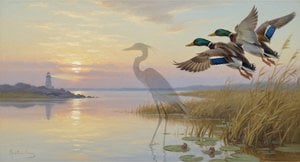
Consider how a painter might depict an eagle soaring against a Carolina sunset—capturing not only its physical form but also conveying the grandeur of the landscape and the spirit of freedom. Or envision a sculptor exploring the textures of raptor feathers, translating scientific observation into tactile artistry. Carolina Raptor Center stands as a testament to humanity’s capacity for wonder and compassion – an unforgettable experience for visitors seeking connection with nature and inspiration from artistic visionaries alike.