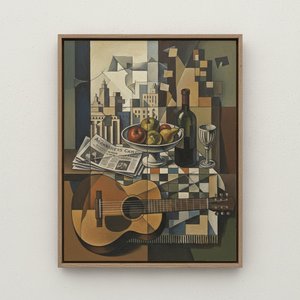
L'Architecte de la Pelouse : L'Âme de Juan Román Riquelme
Parler de Juan Román Riquelme, c'est évoquer une époque qui s'efface, un temps où le football relevait moins de l'efficacité mécanique que du rythme poétique d'un esprit unique. Né le 24 juin 1978 dans les rues paisibles de San Fernando, en Argentine, Riquelme ne se contentait pas de jouer au ballon ; il le composait. Issu des terres fertiles d'Argentinos Juniors, club réputé pour avoir vu naître des légendes, il portait en lui un style qui semblait être l'héritage des maîtres d'autrefois. Dans ses mouvements, on pouvait percevoir les échos d'une tradition classique — une priorité donnée à la vitesse mentale et à la clairvoyance tactique, privilégiant l'élégance d'une passe opportune face à l'athlétisme brut et débridé de l'ère moderne.
Son arrivée à Boca Juniors marqua le début d'une dynastie légendaire, une période où le club devint la toile de sa vision inégalée. Sous la direction de tacticiens tels que Carlos Salvador Bilardo, Riquelme transforma le milieu de terrain en une scène dédiée à sa propre forme d'art. Il était le numéro 10 par excellence, un rôle exigeant non seulement du talent, mais la capacité de dicter le pouls même d'un match. Grâce à sa présence, Boca Juniors atteignit des sommets rarement vus dans le football sud-américain, remportant de multiples titres de Primera División et la prestigieuse Copa Libertadores. Le regarder jouer, c'était assister à une symphonie de mouvements où chaque touche de balle servait un dessein supérieur, transformant l'énergie chaotique d'un stade en une démonstration de précision contrôlée et magnifique.
Un Voyage à travers l'Europe et l'Essence du Maestro
La transition vers la scène européenne apporta à la fois des défis immenses et une reconnaissance profonde. Lorsque Riquelme rejoignit le FC Barcelone en 2002, il entra dans un monde de surveillance intense et d'exigences tactiques à haute vitesse. Si son passage au Camp Nou fut marqué par la friction entre son style classique et langoureux et les évolutions du football moderne, c'est en Espagne, et plus précisément avec Villarreal, que son génie trouva sa véritable résonance européenne. Sous les couleurs jaunes de Villarreal, il devint un maître de La Liga, prouvant que sa capacité à lire le jeu était universelle. Il agissait tel un chef d'orchestre, orchestrant les attaques avec une vision quasi surnaturelle qui laissait les défenseurs s'épuiser à poursuivre des ombres. C'est là que beaucoup commencèrent à le comparer au grand Zidane, notant cette capacité partagée à rendre l'effort invisible et la difficulté naturelle.
Sa carrière fut définie par plusieurs jalons essentiels qui ont ancré sa signification historique :
- La Maîtrise de la Possession : Sa capacité à conserver le ballon et à manipuler le tempo d'un match, faisant de lui le pivot ultime pour toute équipe offensive.
- La Gloire Continentale : En menant Boca Juniors à de multiples triomphes en Copa Libertadores, gravant son nom dans le folklore du football sud-américain.
- L'Intelligence Tactique : Une capacité profonde de « lecture mentale » sur le terrain, anticipant les mouvements des adversaires bien avant qu'ils ne se manifestent.
- L'Iconographie Culturelle : Devenant un symbole de l'identité argentine, représentant un mélange de détermination, de passion et de technique sophistiquée.
L'Héritage d'un Pur Artiste
Au fil des années, le retour de Riquelme à Boca Juniors fut vécu comme un retour nostalgique pour une génération qui craignait la perte du meneur de jeu classique. Il est resté un défenseur acharné de sa propre manière de jouer, refusant de succomber à la physicalisation croissante du sport. Ce refus du changement n'était pas de l'obstination pure ; c'était un engagement envers un idéal esthétique. Même durant ses dernières années et sa transition vers des fonctions de direction au sein du club en tant que vice-président, son influence demeure palpable. Il se dresse aujourd'hui comme l'un des derniers véritables maestros, un joueur qui a rappelé au monde que le football est, par essence, une forme d'art capable d'une beauté profonde et d'une intensité émotionnelle sans égale.
La portée historique de Juan Román Riquelme réside dans son rôle de pont entre les époques. Il fut le dernier lien avec une version romantique du jeu, où l'intellect pouvait triompher de la force brute. Son héritage ne se trouve pas seulement dans les trophées qu'il a soulevés ou les buts qu'il a marqués, mais dans la manière dont il a transformé la perception de ce qu'un milieu de terrain peut être. Dans les annales de l'histoire du football, il demeure une figure indélébile — un maître du beau jeu dont l'ombre continue de planer sur chaque pelouse où un meneur de jeu ose rêver.
Questions et réponses
Combien d'œuvres de Juan Román Riquelme sont disponibles à la consultation ?
Vous pouvez parcourir 1 œuvre(s) œuvres de Juan Román Riquelme sur la page Toutes les œuvres d'art.
À quelle époque historique Juan Román Riquelme a-t-il vécu ?
Juan Román Riquelme a œuvré durant la période Contemporain. Cette époque permet de situer l'activité de l'artiste dans l'histoire.
Quel est le degré de popularité des œuvres de Juan Román Riquelme ?
Les statistiques relatives aux œuvres de Juan Román Riquelme sont disponibles sur la page Statistiques de l'artiste.