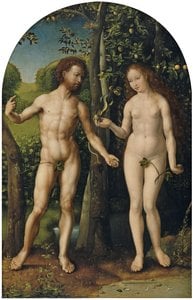
Le Pionnier de la Renaissance : La Vie et l'Héritage de Jan Gossaert
Dans le paysage mouvant du début du XVIe siècle, peu d'artistes ont comblé le fossé entre les traditions méticuleuses du Nord et l'humanisme bourgeonnant du Sud avec autant de maestria que Jan GossaƐert. Connu de l'histoire sous le surnom évocateur de Mabuse, ce peintre visionnaire surgit de Maubeuge, en France, pour devenir une pierre angulaire du mouvement romaniste. L'œuvre de sa vie représente une métamorphose profonde de l'art néerlandais, où le réalisme tranchant et tactile des maîtres flamands a rencontré l'élégance sculpturale et grandiose de la Renaissance italienne. Étudier Gossaert, c'est être témoin du moment précis où l'âme médiévale a commencé à embrasser la lumière classique de l'Antiquité.
Bien que les détails précis de sa formation initiale restent enveloppés dans les brumes du temps, l'ADN artistique de Gossaert était profondément ancré dans les traditions des Pays-Bas. On croit largement que ses années de formation furent consacrées à l'absorption de la rigueur technique de maîtres tels que Rogier van der Weyden et Hugo van der Goes. De ces prédécesseurs, il a hérité d'un dévouement inégalé au détail — une manière de rendre les textures, les étoffes et la lumière qui semblait presque tangible pour le spectateur. Cependant, Gossaert était loin d'être un simple imitateur du passé ; il possédait une curiosité insatiable pour la nouveauté, tournant son regard vers le sud pour intégrer la précision anatomique et la grandeur architecturale de la Renaissance italienne à son style natif.
Une Synthèse du Nord et du Sud
Le véritable génie de Mabuse réside dans sa capacité à harmoniser deux mondes apparemment disparates. Son développement en tant que peintre romaniste a marqué une rupture avec les sensibilités purement gothiques qui avaient longtemps dominé l'Europe du Nord. Là où les artistes précédents se concentraient sur la profondeur symbolique et l'iconographie spirituelle, Gossaert a introduit un sentiment de poids physique et de proportion classique. Il a étudié la forme humaine avec une vigueur scientifique nouvelle, permettant à ses figures d'occuper l'espace avec une présence sculpturale qui paraissait révolutionnaire pour son époque.
Cette évolution stylistique est plus évidente encore dans son traitement de la lumière et de l'atmosphère. Entre ses mains, la lumière ne se contente pas d'éclairer une scène ; elle la sculpte. Il a utilisé la perspective atmosphérique pour créer de vastes paysages immersifs qui semblent s'éloigner à l'infini, offrant une scène dramatique à ses sujets. Ses compositions présentent souvent un jeu complexe d'ombres et d'éclats, une technique qui confère à ses scènes religieuses et mythologiques une intensité presque théâtrale. Cette maîtrise lui a permis de naviguer l'équilibre délicat entre la profonde contemplation spirituelle exigée par les commandes religieuses et la grandeur intellectuelle réclamée par les érudits humanistes de son temps.
Chefs-d'œuvre et Importance Historique
La carrière prolifique de Gossaert fut soutenue par un réseau prestigieux de mécènes, allant de riches marchands à la haute noblesse et au clergé de haut rang. Sa production était remarquablement diverse, s'étendant de retables monumentaux ancrant l'intérieur des cathédrales à des portraits intimes capturant l'essence psychologique de ses modèles. Parmi ses contributions les plus durables, on trouve :
- L'Iconographie Religieuse : Des œuvres telles que la Déesis démontrent sa capacité à utiliser la lumière et la couleur pour évoquer une profonde révérence spirituelle, dépeignant le Christ avec une majesté à la fois humaine et divine.
- Les Récits Mythologiques : Dans des pièces comme Hercule et Deianeira, Gossaert a fait preuve de sa maîtrise des thèmes classiques, utilisant la musculature du mythe antique pour repousser les limites de la peinture anatomique du Nord.
- Le Portrait : Ses portraits s'imposent comme des documents historiques vitaux, caractérisés par un rendu méticuleux des costumes et un regard digne et assuré qui reflète l'ascension du statut de l'individu dans la société de la Renaissance.
L'importance historique de Jan Gossaert ne peut être surestimée. Il a agi comme un conduit vital, transportant les idéaux classiques de l'Italie à travers les Alpes pour les planter fermement dans le sol fertile des Pays-Bas. En fusionnant l'artisanat méticuleux de la tradition flamande avec les innovations structurelles de la Renaissance romaine, il a ouvert la voie aux générations futures d'artistes du Nord. Son héritage reste gravé dans la trame même de l'histoire de l'art, représentant une ère triomphante de synthèse culturelle et de renaissance artistique.
Questions et réponses
Quels sont les pseudonymes ou autres noms sous lesquels Jan Gossaert Mabuse est connu ?
Jan Gossaert Mabuse est également connu sous le nom de Jennyn Van Hennegouwe.
Puis-je parcourir les œuvres de Jan Gossaert Mabuse par technique ?
Pour trouver toutes les œuvres de Jan Gossaert Mabuse dans une technique donnée, consultez la page Tous les médiums de l'artiste.
Puis-je étudier l'utilisation de la couleur par Jan Gossaert Mabuse à travers l'ensemble de ses œuvres ?
L'usage de la couleur par Jan Gossaert Mabuse à travers les œuvres répertoriées sur ce site web peut être étudié sur la page Génome de la palette de l'artiste.