Menu
CONSEIL EN ART GRATUIT

Giacinto Brandi

1621 - 1691

Informations clés

  • Art period: Époque moderne précoce
  • Copyright status: Public domain
  • Museums on APS:
    • Pinacoteca Vaticana
    • Pinacoteca Vaticana
    • Pinacoteca Vaticana
    • Pinacoteca Vaticana
    • Pinacoteca Vaticana
  • Top 3 works:
    • Christ au jardin de Gethsémane
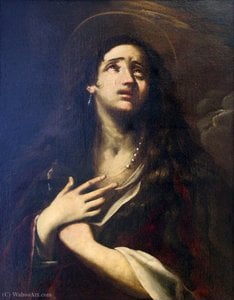
    • The penitent mary magdalene
    • Mercury and argo
  • Born: 1621, Poli, Italie

Quiz d'art

Chaque question ne comporte qu'une seule bonne réponse.

Question 1:
Où est né Giacinto Brandi ?
Question 2:
Avec qui Giacinto Brandi collaborait fréquemment sur des projets artistiques ?
Question 3:
Dans quelle ville Giacinto Brandi était-il formé dans l'atelier d'Alessandro Algardi ?
Question 4:
Quel type d'art Giacinto Brandi privilégiait principalement au cours de sa carrière ?
Question 5:
Quelle institution prestigieuse a inducturé Giacinto Brandi à l'Accademia di San Luca pour les peintres ?

Giacinto Brandi: A Roman Baroque Visionary

Born in Poli, Lazio, Giacinto Brandi (1621 – 19 January 1691) stands as a cornerstone of the Italian Baroque artistic landscape, celebrated primarily for his monumental frescoes and altar paintings that graced churches throughout Rome and Naples. His innate talent recognized early by Alessandro Algardi—a sculptor whose astute observation discerned Brandi’s predisposition towards painting rather than sculpture—established a formative trajectory profoundly shaped by Algardi's guidance. This perceptive insight fueled Brandi’s artistic development, fostering an understanding of sculptural principles that subtly permeated his visual sensibilities. Joining the studio of Giovanni Giacomo Sementi solidified this foundation, immersing him in the vibrant intellectual and artistic currents of Rome and introducing him to techniques honed by masters like Guido Reni. The influence of Sementi's workshop instilled a disciplined approach to artmaking—a characteristic that would permeate Brandi’s oeuvre throughout his illustrious career. From 1638, Brandi embarked on an extraordinary journey to Naples, where he swiftly ascended the ranks of the city’s burgeoning artistic community. Recognizing his exceptional aptitude for painting, Naples welcomed him with open arms and provided fertile ground for creative experimentation. Notably, his partnership with Mattia Preti proved particularly fruitful—the two artists engaged in collaborative endeavors that transcended mere co-existence; their shared devotion to Baroque aesthetics resulted in masterpieces imbued with profound emotional resonance and masterful execution. Their collaborations epitomized the spirit of artistic exchange prevalent during the period, enriching the visual culture of Naples and elevating Baroque art to new heights. The synergy between Brandi and Preti extended beyond stylistic convergence; it fostered a dynamic intellectual dialogue—a testament to their mutual respect for artistic innovation and their unwavering commitment to upholding classical ideals alongside Baroque dynamism. Their collaborative projects produced iconic images that continue to captivate audiences today, securing Brandi’s place as one of the foremost painters of his era. Returning to Rome in 1647, Brandi joined the Congregazione dei Virtuosi al Pantheon and was inducted into Accademia di San Luca—institutions that served as hubs for artistic excellence and scholarly discourse. This affiliation underscored his dedication to upholding classical ideals alongside Baroque dynamism. He became a respected member of the Academy, engaging in spirited debates about art history and contributing to the advancement of artistic knowledge. His involvement within these influential institutions cemented his legacy as a champion of humanist values—a reflection of the broader intellectual landscape of seventeenth-century Rome. Brandi’s prolific output spanned across diverse mediums, including monumental frescoes adorning churches like San Carlo al Corso and Sant'Andrea al Quirinale, captivating canvases depicting biblical narratives such as “The Martyrdom of Saint Sebastian” and “The Drunkenness of Noah,” and evocative depictions of mythological subjects—a testament to his versatility and artistic ambition. His works are dispersed throughout Italy, notably in Milan, Toledo, and Zaragoza, showcasing the widespread influence of his artistic vision. Among his pupils were Carlo Lamparelli of Spello, cementing his role as a teacher and fostering the continuation of Baroque traditions. Giacinto Brandi’s contribution to Italian art history remains significant—a testament to his unwavering dedication to artistic excellence and his indelible mark on the visual arts of the seventeenth century.