Valon valossa: Henry Ossawa Tannerin matka
Pittsburghissa, Pennsylvaniassa vuonna 1859 syntynyt Henry Ossawa Tanner nousi perheestä, jonka juuret olivat syvällä uskossa ja aktivismissa. Hänen isänsä, pastori Benjamin Tucker Tanner, oli merkittävä hahmo afroamerikkalaisessa metodistisessa kirkossa, kun taas hänen äitinsä, Sarah Elizabeth Tanner, kantoi mukanaan kertomattomia tarinoita pakomatkasta orjuudesta Underground Railroadin kautta. Tämä perintö antoi nuorelle Henrylle syvän identiteetin ja tarkoituksen tunteen, joka läpäisi koko hänen taiteellisen visionsa. Jo varhain hän osoitti intohimoa taiteeseen, jota paikallisten maalaajien havainnot ruokkivat ja jota tuettiin aikakauden afroamerikkalaisten taiteilijoiden kohtaamista yhteiskunnallisista esteistä huolimatta. Perheen muutto Philadelphiaan osoittautui käänteentekeväksi, sillä se altisti hänet eloisalle kulttuurimaisemalle ja loi pohjan viralliselle koulutukselen Pennsylvania Academy of the Fine Arts -akatemassa vuonna 179. Siellä, vallankumouksellisen realismia ja anatomista tutkimusta puolustaneen Thomas Eakinsin johdolla, Tanner hioi teknisiä taitojaan ja kehitti järkkymättömän sitoutumisen totuuden vangitsemiseen kankaalle. Kuitenkin jopa akatemian seinien sisällä hän kohtasi ennakkoluuloja, jotka olivat jatkuva muistutus edessä odottavista haasteista.Pariisilainen herääminen: Äänen ja tunnustuksen löytäminen
Käännekohta koitti vuonna 1891, kun Tanner lähti matkalle Pariisiin, alun perin ajatuksenaan käyttää sitä vain välivaiheena jatko-opintoihin Roomassa. Ranskan pääkaupungin lumo osoittautui kuitenkin vastustamattomaksi. Hän ilmoittautui Académie Julianille, uppoutuen kaupungin kukoistavaan taiteelliseen yhteisöön ja omaksuen vaikutteita ranskalaisesta akateemisesta taiteesta sekä nousevasta impressionismista. Juuri Pariisissa Tanner todella löysi oman äänensä, vapautuneena kotimaansa rotuun perustuvista rajoitteista. Hänen työnsä alkoi resonoida eurooppalaisen yleisön kanssa, ja niitä leimasi omaperäinen realismi, johon oli sekoitettu hengellistä syvyyttä. Teoksen Daniel leijonien luolassa hyväksyminen arvostettuun vuoden 1896 Salongiin oli vedenjakaja – valtava vahvistus hänen lahjakkuudelleen ja läpimurto afroamerikkalaiselle taiteilijalle kansainvälisellä näyttämöllä. Tämä menestys avasi ovia uusiin näyttelyihin ja tilauksiin, vakiinnuttaen Tannerin arvostetuksi hahmoksi pariisilaisissa taidepiireissä. Hän ei ainoastaan selviytynyt, vaan kukoisti haastaen odotukset ja raivaten tietä tuleville sukupolville.Uskon ja ihmisyyden teemat: Ainutlaatuinen taiteellinen visio
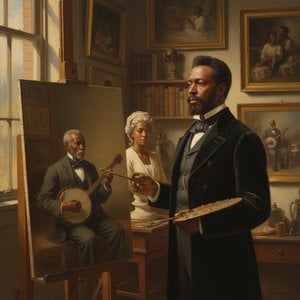
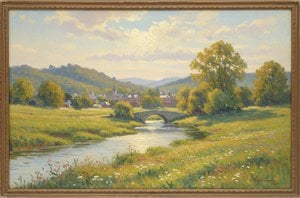
Tannerin tuotetta leimaa kiehtova vuoropuhelu realismin, uskonnollisen symboliikan ja inhimillisen kokemuksen intiimien kuvauksien välillä. Vaikka varhaiset teokset, kuten Banjo-oppitunti (1893), tarjosivat arvokkaan esityksen afroamerikkalaisesta elämästä – jyrkkänä vastakohtana aikakauden vallitseville karikatyyreille – hän kääntyi yhä enemmän raamatullisten kertomusten puoleen tutkiakseen uskon, kärsimyksen ja lunastuksen universaaleja teemoja. Maalaukset, kuten Kristus kävelemässä veden päällä, Lazaruksen ylösnousemus ja Hyvä paimen, eivät ole pelkkiä raamatun tekstien kuvauksia; ne ovat syvällisiä meditaatioita hengellisyydestä, toteutettuina mestarillisesti hallitulla valolla, sommittelulla ja emotionaalisella vivahteikkuudella. Hän täytti usein uskonnolliset kohtauksensa hiljaisen pohdiskelun tunteella, esittäen Kristuksen syvän inhimillisenä hahmona pikemminkin kuin etäisenä jumaluutena. Tämä lähestymistapa puhutteli yleisöä, joka etsi lohtua ja merkitystä nopeasti muuttuvassa maailmassa. Raamatullisten aiheiden lisäksi Tanner tutki myös maisemia ja panoraamanäkymiä – kuten laajan Versailles’n palatsin ja puutarhan panoraamanäkymän – osoittaen monipuolisuutensa ja teknisen taituruutensa.Perintö ja pysyvä vaikutus: Esteiden murtaminen ja sukupolvien inspiroiminen
Henry Ossawa Tanner seisoo monumentaalisena hahmona amerikkalaisen taidehistorian kirjassa, ei ainoastaan taiteellisten saavutustensa, vaan myös uranuurtajana rotumuurien murtamisessa. Hän oli ensimmäinen afroamerikkalainen maalarit, joka saavutti laajaa kansainvästä tunnustusta, haastaen stereotypiat ja avaten ovia lukemattomille taiteilijoille, jotka seurasivat hänen jälkiään. Hänen menestyksensä uhmasi odotuksia ja osoitti, ettei lahjakkuudella ole väriä. Tannerin vaikutus ulottuu taiteen rajojen ulkopuolelle; hänestä tuli toivon ja kestävyyden symboli afroamerikkalaiselle yhteisölle, todistaen, että erinomaisuus voi voittaa vastoinkäymiset. Vuonna 1923 hänet palkittiin Ranskan valtion ritariksi (Chevalier de la Légion d'honneur) ja vuonna 1927 hän saavutti täyden jäsenyyden National Academy of Design -akatemian riveissä – molemmat lisätodisteita hänen taiteellisesta asemastaan. Vaikka hän pysyi ulkomaalaisena suurimman osan urastaan, Tanner ei koskaan unohtanut juuriaan, jatkaen tasa-arvon puolustamista ja muutoksen inspiroimista taiteensa kautta. Hän kuoli Pariisissa vuonna 1937 jättäen jälkeensä perinnön, joka jatkaa taiteilijoiden valaisemista ja voimaannuttamista vielä tänäkin päivänä. Hänen työnsä on voimakas muistutus taiteen muuntautumisesta ja ihmishengen kestävyydestä.Merkittäviä teoksia
- Banjo-oppitunti (1893): Koskettava kuvaus afroamerikkalaisesta elämästä, joka esittää arvokkuutta ja taitoa.
- Daniel leijonien luolassa (1896): Maalaus, joka nosti Tannerin kansainväliseen maineeseen.
- Lazaruksen ylösnousemus (1897): Mestarillinen uskon ja lunastuksen tutkimusmatka, joka tunnetaan dramaattisesta valonkäytöstään.
- Marian ilmestys (1898): Ainutlaatuinen tulkinta raamatullisesta kohtauksesta, täynnä hiljaista pohdiskelua.
- Kristus kävelemässä veden päällä (n. 1910): Voimakas ja puhutteleva kuvaus kristillisen pyhän tekstin käännekohdasta.
Kysymykset ja vastaukset
Mistä voin nähdä Henry Ossawa Tanner'n teokset aikajärjestyksessä?
Henry Ossawa Tanner:n teoksista on saatavilla aikajana: taiteilijan Teosten aikajana -sivulla teokset on järjestetty luomisjärjestykseen.
Onko olemassa yleiskatsaus kaikista niistä aiheista, joita Henry Ossawa Tanner on maalannut?
Aiheatlas-sivu esittelee Henry Ossawa Tanner'n teokset aiheittain.
Mistä voin nähdä kaikki Henry Ossawa Tanner teokset?
Voit selata kaikkia tämä sivusto-sivuston Henry Ossawa Tanner teoksia artistin Kaikki teokset -sivulta.