Frieda E Marshall: A Vision of Scottish Landscape
Frieda E Marshall (born circa 1950) is a British landscape artist whose distinctive style has garnered considerable acclaim for its meticulous detail and atmospheric portrayal of Scotland’s historic sites and natural beauty. While biographical information remains relatively sparse, her artistic journey began with an early fascination for the Highlands – specifically Tulliallan Castle and Inverness Castle – landscapes that would become recurring motifs in her oeuvre.
Marshall's technique is characterized by a masterful command of watercolor and oil paints, blending realism with subtle tonal variations to create canvases imbued with palpable emotion. She eschews grand gestures or dramatic compositions, favoring instead carefully observed perspectives that capture the essence of place. Her approach aligns closely with the traditions of British landscape painting from the mid-20th century, inheriting influences from artists like Albert Pinkham Ryder and Constable, whose emphasis on capturing light and atmosphere profoundly impacted Marshall’s artistic sensibilities.
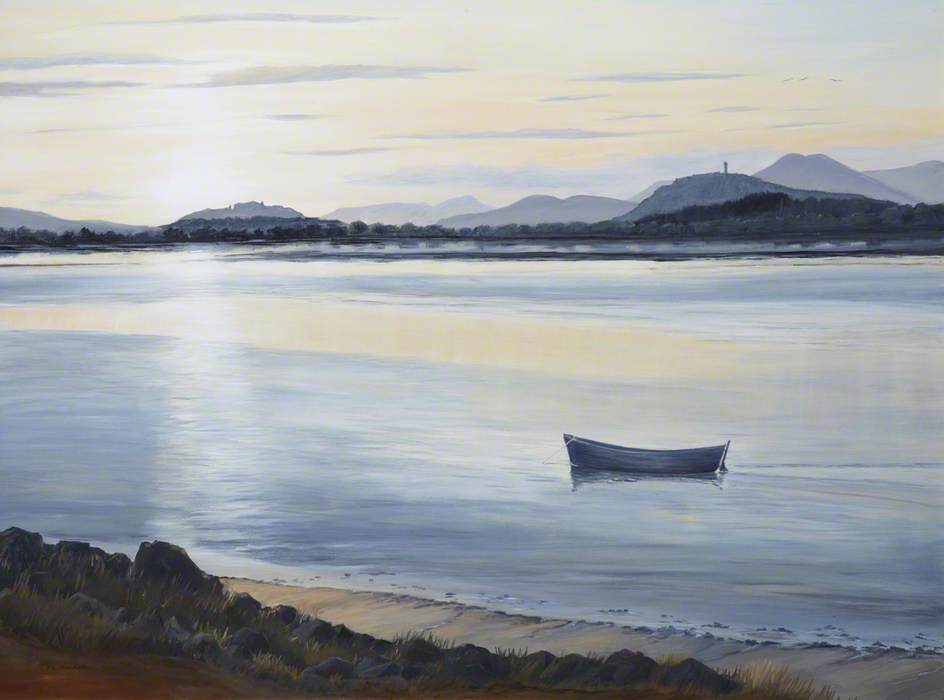
Her work frequently depicts iconic castles – Dumbarton Rock being a particular favorite – rendered in painstaking detail against backgrounds of heathered hillsides and tranquil rivers. Marshall doesn't merely depict these structures; she seeks to convey their history and grandeur through nuanced shading and textural layering, inviting viewers into immersive experiences of Scottish heritage. The artist’s meticulous attention to botanical accuracy contributes significantly to the overall impact of her paintings, grounding them firmly in the natural world.
Marshall’s artistic development unfolded steadily over several decades, culminating in a prolific output of landscapes that celebrate Scotland's enduring charm. Her dedication to capturing the subtleties of light and color—particularly during dawn and dusk—demonstrates an unwavering commitment to portraying the beauty of fleeting moments. Beyond her technical prowess, Marshall’s art speaks to a deeper appreciation for the relationship between humanity and nature, reflecting a humanist perspective rooted in observation and empathy.
Her paintings are held in private collections across Scotland and internationally, testament to their enduring appeal and artistic merit. Frieda E Marshall continues to work actively today, ensuring that her vision of Scottish landscape persists as an inspiring legacy for future generations.
- Early Influences: Marshall’s formative years were marked by a profound connection with the Scottish Highlands, particularly Tulliallan Castle and Inverness Castle. These locations served as constant sources of inspiration, shaping her artistic vision from its inception.
- Technique & Style: Marshall's distinctive style is defined by her masterful use of watercolor and oil paints. She prioritizes capturing light and atmosphere with remarkable precision, mirroring the techniques championed by Albert Pinkham Ryder and Constable – artists who instilled in her a deep understanding of tonal gradations and perceptual realism.
- Notable Subjects: Dumbarton Rock consistently appears in Marshall’s paintings, symbolizing Scottish history and majesty. Alongside castles, she portrays tranquil rivers and heathered hillsides with meticulous detail, emphasizing the importance of botanical accuracy and grounding her landscapes in the natural environment.
- Recognition & Legacy: Marshall's artwork has gained recognition within the art community and resides in private collections worldwide. Her enduring contribution to British landscape painting ensures that her evocative depictions of Scotland continue to inspire admiration and contemplation.




 Scottish Police College