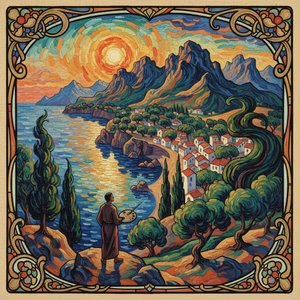
Kiveen ja uskoon muovattu elämä: Antoni Gaudín maailma
Antoni Gaudí i Cornet, joka syntyi 25. kesäkuuta 1852 Espanjan katalonialaisessa Reusissa, ei ollut pelkkä arkkitehti; hän oli visionääri, joka veisti unelmat todellisuudiksi. Hänen elämäntarinansa on yhtä kiehtova ja epätavallinen kuin rakennukset, joihin hän jätti peruuttamattoman jälkensä. Katalonian kumpuilevien kukkuloiden ja karujen maisemien keskellä kasvaminen muovasi syvästi Gaudín taiteellista herkkyyttä. Jo lapsena hän osoitti tarkkaa havainnointikykyä tutkien huolellisesti luonnon muotoja ja tekstuureja – vaikutus, josta tuli hänen ainutlaatuisen arkkitehtuurikielensä kulmakivi. Perhe-elämää leimasivat sekä mukavuus että rajoitteet; kupariseppänä työskentelevä isä opetti hänelle kunnioitusta käsityötaitoa kohtaan, kun taas äidin hartaat katolilaiset kasvatus antoi syvän hengellisen yhteyden, joka läpäisi hänen myöhempiä teoksiaan. Nämä varhaiset kokemukset loivat perustan uralle, joka oli omistettu taiteen, luonnon ja uskon harmonialle. Hänen virallinen koulutuksensa alkoi Piaristien koulussa Reusissa, jota seurasi opiskelu Barcelonan yliopistossa ennen valmistumistaan maakunnan arkkitehtikoulusta vuonna 178. Jo akateemisina vuosinaan Gaudín lahjakkuus oli ilmeinen, vaikka sitä ei ehkä perinteisessä mielessä tunnustettu; hänen professorinsa arvostivat hänen taitojaan, mutta kampailivat usein niiden sovittamiseksi vakiintuneisiin normeihin. Hän täydensi koulutustaan työskentelemällä piirtäjänä arkkitehti Josep Fontserè i Mestresin palveluksessa, osallistuen projekteihin kuten Barcelonan Ciutadella-puisto – ensimmäinen vilaus urbaaneista maisemista, jotka hän pian muuttaisi.
Ainutlaatuisen vision kukoistus
Gaudín alkuperäiset tilaustyöt osoittivat kehittyvää tyyliä, joka yhdisteli taitavasti historiallisia vaikutteita – uusgotiikkaa ja orientalismiä – mutta hänet erotti kyky ylittää jäljittely ja luoda jotain täysin uutta. Casa Vicens (1883–188amaan) seisoo varhaisena todistuksena tästä kasvavasta alkuperäisyydestä, sen maurilaiset ja uusgotiikan elementit kietoutuen eloisaan väripalettiin ja monimutkaisiin yksityiskohtiin. Kuitenkin vasta Sagrada Famílian basilikan aloittaminen vuonna 1883 määritteli todella hänen elämäntyönsä. Se, mikä alkoi suhteellisen perinteisenä uusgoottilaisena projektina, kehittyi Gaudín johdolla rohkeaksi, orgaaniseksi mestariteokseksi – todistukseksi hänen järkkymättömästä visiostaan ja innovatiivisista rakenteellisista tekniikoistaan. Hän ei kuvitellut vain rakennusta, vaan "kivisen Raamatun", jossa jokainen elementti oli täynnyt uskonnollista symboliikkaa. Samanaikaisesti Gaudí loi asuinrakennusten ihmeitä, kuten Casa Batllón ja Casa Milán (La Pedrera), jotka valmistuivat vuosien 1904 ja 1910 välillä. Nämä rakenteet haastoivat arkkitehtuurin konventiot aaltoilevilla julkisivuillaan, luumaisilla muodoillaan ja jäykän symmetrian hylkäämisellä. Ne eivät olleet vain rakennuksia, vaan eläviä organismeja, jotka hengittivät ainutlaatuista energiaa. Vuonna 1900 aloitettu Parc Güell puolestaan osoitti hänen mestaruuttaan arkkitehtuurin integroimisessa luonnonmaisemaan käyttäen värikkäitä mosaiikkeja – hänen tunnusomaista *trencadís*-tekniikkaansa – luoden harmonisia tiloja, jotka tuntuivat yhtä aikaa leikkisiltä ja syvän hengellisiltä. Jopa varhaisemmat työt, kuten Palau Güell (1886–1888), osoittivat hänen kokeilujaan parabolisilla kaarilla ja innovatiivisella materiaalivalinnoilla, ennustaen tulevia rakenteellisia läpimurtoja.
Luonto, usko ja innovaatio: Gaudín nerokkuuden pilarit
Gaudín arkkitehtuurifilosofian ytimessä oli järkkymätön kunnioitus luontoa kohtaan. Hän uskoi, että luonnolliset muodot pitivät avain täydelliseen suunnitteluun, ja tutki huolellisesti kaikkea simpukankuorista ja puista eläinten luurankoihin. Tämä biomimetiikka ei ollut pelkästään esteettistä; se ohjasi myös hänen rakenteellisia innovaatioitaan. Hänen tasapainotetut rakenteensa – jotka perustuivat kallellaan oleviin pylväisiin ja kevyisiin laattaholveihin – olivat suora vastaus siihen, miten luonnon elementit jakavat painon tehokkaasti, poistaen tarpeen perinteisille tukipilareille. Luonnon lisäksi Gaudín syvä katolinen usko oli yhtä voimakas vaikutus, mikä näkyy erityisen selvästi Sagrada Famíliassa, jossa uskonnollinen symboliikka on kudottu jokaiseen suunnittelun osaan. Basilika ei ollut vain palvontapaikka; sen oli tarkoitus olla kristillisten uskomusten fyysinen ilmentymä. Hän oli myös uranuurtaja *trencadís*-tekniikassa – mosaiikkitaidossa, jossa käytetään rikkoutuneita keramiikan palasia – luoden eloisia, teksturoituja pintoja, jotka toivat uuden kerroksen orgaanista kauneutta hänen luomuksilleen. Hänen varhainen altistumisensa uusgotiikalle ja orientalismin vaikutteille tarjosi pohjan, mutta hän ei vain kopioinut näitä tyylejä; hän imi ne, muutti ne ja lopulta ylitti ne luodakseen jotain ainutlaista.
Pysyvä perintö: Gaudín vaikutus maailmaan
Antoni Gaudí on oikeutetusti katalonialaisen modernismin (Art Nouveau) suurin edustaja, liikkeen, jonka tavoitteena oli luoda erillinen kulttuurinen identiteetti Katalonialle taiteen ja arkkitehtuurin kautta. Hänen työnsä ei koskenut vain rakenteiden rakentamista; se oli kokemuksen luomista, tunteiden herättämistä ja kotimaansa hengen juhlistamista. Nykyään seitsemän Gaudín mestariteosta – Sagrada Família, Park Güell, Casa Batlló, Casa Milà, Palau Güell, Casa Vicens ja Colonia Güellin krypta – on nimetty UNESCOn maailmanperintökohteiksi, mikä on todiste niiden poikkeuksellisesta yleismaailmallisesta arvosta. Hänen vaikutuksensa arkkitehtuuriin ulottuu kauas Espanjan rajojen ulkopuolelle; arkkitehdit ja suunnittelijat ympäri maailmaa jatkavat inspiraation hakemista hänen innovatiivisista muodoistaan, rakenteellisista tekoinensa ja kokonaisvaltaisesta lähestymistavastaan suunnitteluun. Traagisesti Gaudín elämä päättyi ennenaikaisesti 10. kesäkuuta 1926, kun hänet osui raitiovaunu Barcelonassa. Ironista kyllä, hänen vaatimaton ulkonäkönsä sai monet luulemaan hänen olevan vain kerjäläinen, mikä viivästytti lääkärin apua niin kauan, että kaikki oli liian myöhäistä. Hänen kuolemastaan huolimatta Sagrada Famílian rakentaminen jatkui hänen tarkasti yksityiskohtaisten suunnitelmiensa ja malliensa pohjalta, ja sen on määrä valmistua vuonna 2026 – hänen poismenonsa satavuotisjuhlan kunniaksi. Lisäksi katolinen kirkko aloitti prosessin Gaudín pyhimykseksi julistamiseksi vuonna 2003, tunnustaen sekä hänen hartauden että hänen poikkeukselliset taiteelliset panoksensa – sopiva kunnianosoitus miehelle, joka omisti elämänsä monumenttien rakentamiselle, jotka kurottavat kohti taivasta.
Tiilien ja laastin takana: Gaudín ikuinen henki
- Katalonialainen identiteetti: Gaudín työstä tuli katalonialaisen kulttuurin synonyymi, ilmentäen itsenäisyyden ja taiteellisen innovaation henkeä.
- Arkkitehtoninen vallankumous: Hän haastoi perinteiset arkkitehtuurin normit, uranuurtajana uusissa rakenteellisissa tekniikoissa ja orgaanisten muotojen omaksumisessa.
- Hengellinen resonanssi: Hänen syvä uskonsa täytti hänen luomuksensa uskonnollisella symboliikalla ja pyhyyden tunteella.
- Kestävä inspiraatio: Gaudí jatkaa inspiroimista arkkitehteja, taiteilijoita ja suunnittelijoita ympäri maailmaa, jättäen pysyvän jäljen modernin taiteen ja arkkitehtuurin maisemaan.
Antoni Gaudí oli enemmän kuin vain arkkitehti; hän oli kiveen kirjoitettu runoilija, visionääri, joka muutti Barcelonan eläväksi taideteokseksi. Hänen rakennuksensa eivät ole pelkkiä rakenteita, vaan todistuksia mielikuvituksen voimasta, uskosta ja luonnon maailman ikuisesta kauneudesta.
Kysymykset ja vastaukset
Mistä löytää Antoni Gaudí's teokset ryhmiteltynä avainsanojen mukaan?
Löytääksesi tietyn teeman mukaisia Antoni Gaudí teoksia, käytä taiteilijan Avainsanoittain -sivua, joka ryhmittelee teokset avainsanojen mukaan.
Mihin historialliseen aikakauteen Antoni Gaudí kuului?
Antoni Gaudí työskenteli luku -aikakaudella. Aikakausi sijoittaa taiteilijan toiminnan historialliseen kontekstiin.
Mistä löytää Antoni Gaudí -taiteilijan teokset aihepiireittäin ryhmiteltynä?
Antoni Gaudí -taiteilijan Aiheatlas on sivu, joka ryhmittelee taiteilijan teokset niiden aiheiden mukaan.
Voinko lajitella Antoni Gaudí teokset värin mukaan?
Väriindeksi-sivulla Antoni Gaudí:n teokset on järjestetty värin mukaan.
Kuinka monta Antoni Gaudí teosta on katseltavissa?
Voit selata 19 teosta teosta taiteilijalta Antoni Gaudí sivulla Kaikki teokset.
Missä ja minä vuonna Antoni Gaudí on syntynyt?
Antoni Gaudí syntyi Reusssä vuonna 1852.
What other names is Antoni Gaudí known by?
Antoni Gaudí is also known as Gaudi.
Mistä Antoni Gaudí on kotoisin?
Antoni Gaudí on syntynyt Spanja.