

 Esikatselu
 Jaa
Jaa Jaa
Jaa
 Tarkemmat tiedot

 Lataa
Lataa
 Samanlaisia
 Röntgenkuva
 Diaesitys
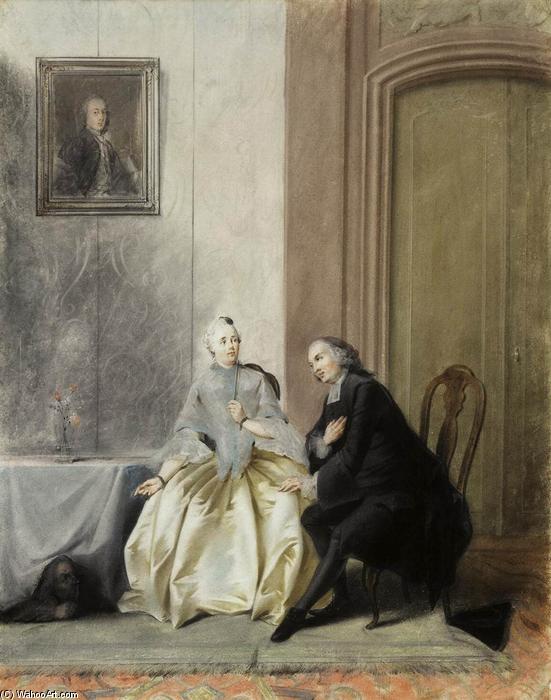
Tartunten kohtaus
 Rococo Style
 1795
1795 61.0 x 48.0 cm
 Ermitažin museo
 Näytä lisää
Käsinmaalattu öljykopio
Käsinmaalattu öljyväri kankaalle haluamassasi koossa ja kehyksissä, taiteilijoidemme valmistamana tilauksesta. ( Siirry tulosteeseen Vaihda kuvaksi)




P118B $10

P118H $10

P118W $10

P438Z $10

P508JH $12

P508YH $12

P805H $10

P805Z $10

P919BZ $10

P919G $10

P919XJ $10

P959ZH $10

P968JZ $12

W106C $8

W218G $10

W218JH $8

W218Y $10

W307PJ $10

W316G $10

W316PJ $8

W316Y $10

W398PJ $8

W4111J $10

W500HY $15

W500JH $15

W692G $12

W849H $8

W940BG $15

W953PJ $8




Valitse valmiista mitoistamme sellaiset, jotka vastaavat teoksen alkuperäisiä mittasuhteita.

Voit syöttää omat mitat sopimaan tiettyyn kehykseen tai tilaan. Jos valitsemasi koko ei vastaa alkuperäisen kuvan mittasuhteita, rajaamme taideteoksen tai jatkamme maalausta käsin maalatuilla elementeillä. Digitaalinen esikatselu lähetetään hyväksyttäväksi ennen tuotannon aloittamista.
Huomioithan, että näytöllä oleva esikatselu ei vastaa todellista rajausta tai jatkamista. Vain digitaalinen mallikuva näyttää lopullisen sommittelun tarkasti.
Vaikka mittatilaustyöt ovat mahdollisia, suosittelemme valitsemaan mitan ennalta määritetystä listasta alkuperäisten mittasuhteiden säilyttämiseksi.
Tilauksen jälkeen ArtsDot.com -tiimi lähettää asiakkaalle ohjeet ja esikatselukuvan.
Maailmanlaajuinen toimitus () 3–4 viikossa tavallisen 5 viikon sijaan. (8 elokuu). Laadusta ei tingitä.

Ilmainen pikatoimitus ympäri maailman

Korkealaatuinen pellavakangas

Kattava kuljetusvakuutus

Tulliveron palautustakuu

Täydellinen värien vastaavuustakuu

60 päivän palautusoikeus (vain valmistusvirheet)

100% rahat takaisin -takuu

Määräalennus tarjous
 Lasivaihtoehto on saatavilla vain alle 110 cm kokoisina teoksina

Tartunten kohtaus
Reproduktiotekniikka
Replikaatin koko
-


Kokonaishinta
$ 263
Teoksen kuvaus
Artistic Style and Composition
The painting's composition is characterized by a soft and delicate appearance, thanks to the use of pastel. The artist's attention to detail is evident in the intricate facial expressions and body language of the characters. The scene depicts a moment from Molière's play Tartuffe, where two figures are engaged in a conversation or interaction. The woman, dressed in a yellow dress, appears to be listening or waiting for someone, while the man, kneeling beside her, conveys distress or sadness.Artist and Museum
Jacobus Buys was a Dutch painter and printmaker, known for his refined interior scenes and theatrical compositions. His work can be found in various museums, including The Hermitage, which houses an impressive collection of European art. To learn more about Jacobus Buys and his artwork, visit the ArtsDot.com website, which offers a wide range of information on artists and their paintings.- Pastel painting: A soft and delicate technique used by Jacobus Buys to create the Scene from Molière's Tartuffe.
- Theatrical composition: The painting's arrangement of characters and setting, which captures a moment from Molière's play.
- European art: The style and period of the painting, which can be found in museums such as The Hermitage.
The Scene from Molière's Tartuffe is a remarkable example of Jacobus Buys' skill in capturing the essence of a theatrical scene, and its beauty can be appreciated by art lovers around the world.
Samankaltaisia teoksia


Taiteilijan elämäkerta
A Life Dedicated to Rococo Elegance: Jacobus Buys
Born in Amsterdam in 1724, Jacobus Buys emerged into a world steeped in the refined sensibilities of the Dutch Rococo period. His father, a wig-maker, provided a stable upbringing, though young Jacobus’s artistic inclinations quickly steered him toward a different path. He embarked on his formal training under Cornelis Pronk and later with Jacob de Wit, both established figures within Amsterdam's art circles. This early education laid the foundation for Buys’s distinctive style—a delicate balance between portraiture, theatrical scene painting, and an exquisite attention to detail that would define his career. He further honed his skills studying under Cornelis Troost, solidifying his mastery of technique and composition before eventually assuming a leadership role as director of the Amsterdam Drawing Academy.From Portraits to Playful Scenes: The Breadth of Buys’s Oeuvre
Buys was remarkably versatile, embracing a wide range of subjects throughout his artistic life. While he is perhaps best known for his elegant portraits, capturing the likenesses and social standing of Amsterdam's elite, his interests extended far beyond mere representation. He skillfully designed bas-reliefs and intricate tapestries, demonstrating an aptitude for decorative arts. A significant portion of his work involved creating book illustrations, showcasing a precision and narrative flair that appealed to a broader audience. However, it was his theatrical scenes—particularly those inspired by the works of Molière—that truly allowed Buys’s artistic personality to flourish. His pastel depiction of a scene from *Tartuffe*, now housed in The Hermitage Museum, is a testament to this passion. The work isn't simply an illustration; it’s a vibrant interpretation brimming with character and dramatic tension, revealing his deep understanding of both human psychology and the art of visual storytelling. He wasn’t merely copying plays but translating them into a visually compelling language that resonated with 18th-century audiences.Influences and Artistic Development
The influence of earlier Dutch masters is subtly present in Buys's work, particularly in his meticulous attention to detail and the use of light and shadow reminiscent of the Golden Age painters. However, he wasn’t simply replicating past styles; he synthesized these influences with the prevailing Rococo aesthetic sweeping across Europe. The lightness of palette, the graceful poses, and the emphasis on aristocratic leisure all point to a deliberate engagement with contemporary trends. His studies under Pronk and de Wit undoubtedly shaped his understanding of color theory and composition, while Troost likely instilled in him a deeper appreciation for portraiture techniques. Buys’s ability to seamlessly blend these influences—the Dutch tradition of realism with the French Rococo's emphasis on elegance and ornamentation—is what sets him apart. He also demonstrated an interest in copying works from renowned 17th-century artists, not as imitation but as a means of learning and refining his own skills.A Member of the Guild and Lasting Legacy
In 1750, Jacobus Buys achieved a significant milestone by becoming a member of Amsterdam's prestigious Guild of St Luke, solidifying his position within the city’s artistic community. This membership not only validated his skills but also opened doors to commissions from prominent patrons. He continued working diligently until his death in 1801, leaving behind a substantial body of work that offers valuable insights into Dutch society and artistic tastes during the late 18th century. While perhaps not as widely celebrated as some of his contemporaries, Buys’s contributions are increasingly recognized for their refined technique, elegant compositions, and insightful portrayals of both individuals and dramatic narratives. His paintings provide a window into a world of aristocratic leisure, theatrical spectacle, and the enduring power of storytelling through art. His legacy lies in his ability to capture the spirit of the Rococo era with grace, precision, and a distinctly Dutch sensibility.
jacobus buys
1724 - 1801 , Netherlands
Pikatiedot
- Artistic Movement Or Style: Rococo
- Artists Who Influenced This Artist:
- Cornelis Pronk
- Jacob de Wit
- Cornelis Troost
- Date Of Birth: 1724 Amsterdam Netherlands
- Date Of Death: 1801 Amsterdam Netherlands
- Full Name: Jacobus Buys
- Nationality: Dutch
- Notable Artworks:
- Portrait of Elisabeth Troost
- Scene from Molière's Tartuffe
- Place Of Birth: Amsterdam Netherlands
Liittyvät artikkelit

Leikkisät mestariteokset: Taidetta iloon ja kotiin – ArtsDot.com
Löydä 10 leikkisää mestariteosta, jotka ilmentävät iloa ja tunnetta! Tutustu Monetin, Renoirin ja Picasson kaltaisten taiteilijoiden teoksiin. Inspiroi sisustusta värikkäillä maalauksilla – ArtsDot.com:sta laadukkaat taidevedokset kotiisi. Explore the full collection online!

Hollantilaisen kultakauden 10 mestariteosta – Taidetta kotiisi ArtsDot.com
Uppoudu hollantilaisen kultakauden taiteen maailmaan! Tutustu Rembrandtin, Vermeerin ja muiden mestareiden ikonisiin maalauksiin. Löydä inspiraatiota kotiisi ArtsDot.com:ista – laadukkaat taidevedokset ja sisustustaulut jokaiseen tilaan. Explore the full collection online!
Jan Steen: A Master of Dutch Genre Painting & the Golden Age
Explore the life & art of Jan Steen, a leading Dutch Golden Age painter renowned for his humorous genre scenes & insightful social commentary. Discover his techniques, legacy, and collecting tips.

Golden Age Reflections: Dutch Baroque Painting & Cultural Innovation
Explore the Dutch Golden Age of painting! Discover key artists like Vermeer & ter Borch, their innovative techniques, and the rich cultural context behind these Baroque masterpieces. Learn about collecting & appreciating this iconic art period.

Charles Leickert: Capturing the Dutch Golden Age Light – A Comprehensive Study of Technique, Context, and Legacy
Explore the captivating winter landscapes of Charles Leickert, a master of Dutch Golden Age light & atmosphere. Discover his techniques, symbolism, and lasting legacy – a comprehensive study for art enthusiasts and collectors.


