


 Esikatselu
 Jaa
Jaa Jaa
Jaa
 Tarkemmat tiedot

 Lataa
Lataa
 Samanlaisia
 Röntgenkuva
 Diaesitys
Château du Chillon


 Näytä lisää
Käsinmaalattu öljykopio
Käsinmaalattu öljyväri kankaalle haluamassasi koossa ja kehyksissä, taiteilijoidemme valmistamana tilauksesta. ( Siirry tulosteeseen Vaihda kuvaksi)




P118B $10

P118H $10

P118W $10

P438Z $10

P508JH $12

P508YH $12

P805H $10

P805Z $10

P919BZ $10

P919G $10

P919XJ $10

P959ZH $10

P968JZ $12

W106C $8

W218G $10

W218JH $8

W218Y $10

W307PJ $10

W316G $10

W316PJ $8

W316Y $10

W398PJ $8

W4111J $10

W500HY $15

W500JH $15

W692G $12

W849H $8

W940BG $15

W953PJ $8




Valitse valmiista mitoistamme sellaiset, jotka vastaavat teoksen alkuperäisiä mittasuhteita.

Voit syöttää omat mitat sopimaan tiettyyn kehykseen tai tilaan. Jos valitsemasi koko ei vastaa alkuperäisen kuvan mittasuhteita, rajaamme taideteoksen tai jatkamme maalausta käsin maalatuilla elementeillä. Digitaalinen esikatselu lähetetään hyväksyttäväksi ennen tuotannon aloittamista.
Huomioithan, että näytöllä oleva esikatselu ei vastaa todellista rajausta tai jatkamista. Vain digitaalinen mallikuva näyttää lopullisen sommittelun tarkasti.
Vaikka mittatilaustyöt ovat mahdollisia, suosittelemme valitsemaan mitan ennalta määritetystä listasta alkuperäisten mittasuhteiden säilyttämiseksi.
Tilauksen jälkeen ArtsDot.com -tiimi lähettää asiakkaalle ohjeet ja esikatselukuvan.
Maailmanlaajuinen toimitus () 3–4 viikossa tavallisen 5 viikon sijaan. (8 elokuu). Laadusta ei tingitä.

Ilmainen pikatoimitus ympäri maailman

Korkealaatuinen pellavakangas

Kattava kuljetusvakuutus

Tulliveron palautustakuu

Täydellinen värien vastaavuustakuu

60 päivän palautusoikeus (vain valmistusvirheet)

100% rahat takaisin -takuu

Määräalennus tarjous
 Lasivaihtoehto on saatavilla vain alle 110 cm kokoisina teoksina

Château du Chillon
Reproduktiotekniikka
Replikaatin koko
-


Kokonaishinta
$ 263
Teoksen kuvaus
Chateau du Chillon: A Masterpiece of Realism Embodied
The Chateau du Chillon, painted by Gustave Courbet in 1874, stands as an enduring testament to the Romantic spirit filtered through the uncompromising gaze of Realism. More than just a depiction of a picturesque Swiss castle perched upon Lake Geneva’s rocky shores, it's a profound meditation on nature’s grandeur and humanity’s relationship with its sublime beauty – captured with astonishing precision by Courbet’s masterful hand. This monumental canvas isn’t merely aesthetically pleasing; it’s a window into the artistic currents of its time, reflecting a deliberate rejection of idealized fantasy in favor of honest observation.- Style: Realism – Courbet steadfastly refused to succumb to Romantic conventions, prioritizing accurate representation over emotional embellishment. He sought to portray the world as he saw it, unburdened by preconceived notions or artistic aspirations beyond capturing its essence.
- Technique: Employing oil on canvas, Courbet utilized a technique that allowed for unparalleled textural detail and luminosity. Thick impasto strokes convey the ruggedness of the castle’s stone walls and the turbulent energy of Lake Geneva’s waves, creating an immersive experience for the viewer.
- Composition: The painting's central focus is undeniably the Chateau itself, dominating the frame with its imposing presence. Courbet skillfully incorporates elements like two boats traversing the lake and a solitary figure contemplating the vista—details that contribute to the scene’s depth and perspective, grounding it in tangible reality.
Historical Context: The Romantic Response to Nature's Power
Courbet’s decision to depict Chateau du Chillon during this period wasn’t arbitrary; it was a deliberate reaction against the prevailing Romantic aesthetic. While artists like Delacroix and Géricault championed dramatic narratives infused with emotion, Courbet insisted on portraying landscapes—and specifically castles—with uncompromising accuracy. This stance mirrored a broader intellectual movement questioning the sublime – the awe-inspiring experience of confronting nature’s overwhelming power – arguing that true beauty resided in acknowledging its indifference to human concerns. Chateau du Chillon embodies this spirit, presenting a formidable edifice against the backdrop of Lake Geneva's turbulent waters as a symbol of resilience and enduring grandeur.Symbolism: Stone Against Sky
The Chateau’s weathered stone walls serve as a powerful visual metaphor for permanence and resistance—a defiant stance against the ephemeral nature of human existence. Contrasting sharply with the dynamic movement of the lake and the shifting clouds, the castle embodies stability amidst chaos. Courbet's careful attention to detail underscores this symbolic significance, inviting contemplation on themes of time, memory, and the enduring legacy of architectural achievement. The painting speaks volumes about humanity’s ability to confront and appreciate the sublime beauty of the natural world without resorting to sentimental embellishment.Emotional Impact: A Momentary Encounter with Majesty
Looking at Chateau du Chillon evokes a feeling of profound contemplation—a recognition of the immensity of nature and the insignificance of human endeavors in comparison. Courbet’s masterful brushwork captures not only the visual splendor of the scene but also its emotional resonance, transporting the viewer to the shores of Lake Geneva and prompting reflection on themes of solitude, grandeur, and the sublime. It's a painting that lingers in the mind long after viewing, reminding us of the beauty found in honest observation and the enduring power of art to inspire awe and wonder.Samankaltaisia teoksia


Taiteilijan elämäkerta
A Rebel’s Brush: The Life and Legacy of Gustave Courbet
Jean Désiré Gustave Courbet (1819-1877) was a transformative figure in the history of art, recognized as one of the foremost champions of Realism and an uncompromising voice for artistic liberty. His journey from humble beginnings in Ornans, France, to international acclaim wasn’t merely about mastering brushstrokes; it was fueled by a profound conviction that art should reflect the realities of everyday life – unidealized, honest, and imbued with social significance. Growing up amidst a burgeoning bourgeois family instilled in him a certain appreciation for material comfort, yet his artistic spirit demanded something more substantial: an unflinching gaze upon the world as it truly existed.Early Influences and Artistic Training
Courbet’s formative years were marked by encouragement from his mother to pursue his passions for drawing and painting – a nurturing that would prove pivotal in shaping his artistic trajectory. Unlike many artists of his time who received aristocratic patronage, Courbet benefited from modest familial support, allowing him to enroll at the École des Beaux-Arts in Paris in 1839. However, he quickly recognized the limitations imposed by the academy’s rigid academic conventions and Romantic idealism. While acknowledging influences from Eugène Delacroix and Théodore Géricault – artists who explored dramatic narratives and emotional intensity – Courbet deliberately distanced himself from these approaches, prioritizing observation over imagination and striving for accuracy above all else. He sought to capture the essence of his subjects with meticulous detail, rejecting the embellishments characteristic of earlier artistic traditions.The Birth of Realism: Challenging Artistic Conventions
Courbet’s artistic breakthrough arrived through a rejection of prevailing aesthetic standards. He wasn't captivated by mythological tales or heroic portrayals; instead, he turned his attention to the lives of ordinary people – laborers, peasants, and rural artisans – subjects largely ignored by the art establishment. This decision wasn’t merely stylistic; it represented a fundamental assertion about the dignity inherent in these marginalized communities. His early canvases explored landscapes and portraits, but soon focused on scenes depicting working-class life on an ambitious scale previously reserved for monumental historical paintings. Critics initially scorned his uncompromising realism, perceiving it as vulgar and lacking in artistic merit. Yet, Courbet steadfastly defended his vision, arguing that art should serve as a mirror to society – reflecting its complexities and contradictions without resorting to sentimental illusions. The Stone Breakers (1849), tragically destroyed during World War II, stands as an enduring emblem of this commitment to portraying the harsh realities of labor with unflinching honesty.Major Works and Artistic Philosophy
Courbet’s artistic philosophy extended beyond subject matter to encompass technique. He championed a direct approach – applying paint thickly onto the canvas (impasto) – that emphasized the materiality of the medium itself. This method allowed him to convey texture and depth, capturing the physicality of his subjects with remarkable precision. His monumental canvases like A Burial at Ornans (1850-51), depicting a solemn funeral procession in his hometown, provoked considerable controversy due to their sheer size and lack of emotional grandeur. Courbet deliberately eschewed idealized representations, presenting the mourners as ordinary individuals grappling with grief – a bold departure from prevailing artistic conventions. He famously declared that he wanted “to paint what I see,” rejecting the notion that art should strive for beauty or moral upliftment. The Painter’s Studio (1855), an allegorical depiction of his own creative process, further solidified his conviction that art should reflect the artist's inner world and engage with broader social concerns.Legacy and Influence
Gustave Courbet’s impact on subsequent artistic movements is undeniable. He profoundly influenced Impressionists and Post-Impressionists by liberating them from academic constraints and encouraging experimentation with new visual languages. His unwavering dedication to realism paved the way for artists who sought to depict the world authentically, prioritizing observation over imagination. Though initially dismissed as a provocateur, Courbet’s legacy endures as a testament to the transformative power of art – its ability to challenge conventions, provoke debate, and ultimately enrich our understanding of human experience. He died in 1877, leaving behind an unparalleled body of work that continues to inspire artists and scholars alike—a cornerstone of Realism and a beacon for artistic integrity.
Gustave Courbet
1819 - 1877 , Ranska
Pikatiedot
- Artistic Movement Or Style: Realismi
- Artists Or Movements Influenced By This Artist:
- Impressionismi
- Postimpressionismi
- Artists Who Influenced This Artist:
- Eugène Delacroix
- Théodore Géricault
- Caravaggio
- Date Of Birth: 31. heinäkuuta 1819
- Date Of Death: 29. huhtikuuta 1877
- Full Name: Gustave Courbet
- Nationality: Ranskalainen
- Notable Artworks:
- Kivenhakkaajat
- Kuolinmessu Ornansissa
- Place Of Birth: Ornans, Ranska
Liittyvät artikkelit

Francisco Goya: 25 mestariteosta – Taidetta kotiisi ArtsDotilta
Tutustu Francisco Goyan 25 mestariteokseen! Uppoudu espanjalaisen taiteen historiaan, romanttisiin maalauksiin ja vaikuttaviin muotokuviin. Löydä täydellinen seinätaide kotiisi ArtsDotilta – korkealaatuiset reproduktiot ja inspiroivat sisustusideat. Tutki kokoelma verkossa!
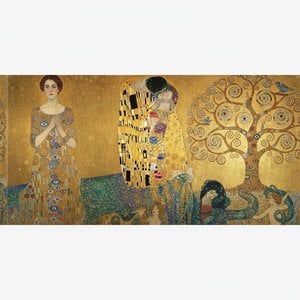
Gustav Klimtin 25 mestariteosta: Taidetta ja inspiraatiota kotiisi | ArtsDot
Tutustu Gustav Klimtin 25 mestariteokseen! Uppoudu koristeellisen taiteen, jugendtyylin ja symbolismin maailmaan. Löydä tarinat öljyvärimaalausten takaa ja inspiroi sisustusta ArtsDot.com:ssa. Tutki kokoelma verkossa!

Demandes Commerciales
APS ofrece reproducciones de bellas artes y encargos personalizados desde 2004. Confían en nosotros corporaciones, hoteles y coleccionistas selectos para obras de arte de calidad museística, servicio discreto y soluciones artísticas completas. ¡Póngase en contacto con nosotros para obtener un presupuesto personalizado!

Romantic Realism's Finest: 10 Masterpieces for Your Home | ArtsDot
Explore 10 defining masterpieces of Romantic Realism! Discover Courbet, Millet & Daumier's powerful paintings—capturing emotion and social realities. Find museum-quality reproductions for your home at ArtsDot.com.

Realistisen taiteen mestariteokset: 10 teosta, jotka muuttivat maailmaa – ArtsDot.com
Tutustu realistisen taiteen 10 mestariteokseen – Courbet'sta Manetiin. Uppoudu taidehistoriaan ja löydä ikonisten maalausten tarinat ArtsDot.comissa. Laadukkaat taideprintit sisustukseesi! Tutki kokoelma verkossa.



