Tadeusz Pruszkowski: A Portraitist of Polish Resilience
Tadeusz Pruszkowski, a name perhaps less familiar than some of his contemporaries, stands as a poignant figure in the landscape of early 20th-century Polish art. Born in Borucice in 1888 and tragically ending his life in Warsaw during World War II in 1942, Pruszkowski’s legacy resides primarily in his evocative portraits – works that capture not just physical likeness but also the spirit of a nation grappling with upheaval and searching for its identity. His art is deeply intertwined with the tumultuous history of Poland, reflecting both the romantic ideals of the era and the grim realities of war and occupation.
Pruszkowski’s artistic journey began in Warsaw under the tutelage of Konrad Krzyżanowski at the School of Fine Arts. This early training instilled a deep appreciation for classical techniques and a commitment to meticulous observation – qualities that would become hallmarks of his work. However, it was his time in Paris between 1908 and 1911 that truly shaped his artistic sensibilities. There, amidst the vibrant currents of European art, he encountered influences ranging from Velasquez’s masterful realism to the nuanced color palettes of the Dutch Masters. This exposure broadened his perspective, moving him beyond strict academic tradition and laying the groundwork for a more expressive approach.
Returning to Poland in 1911, Pruszkowski became deeply involved in the patriotic fervor that swept across the country following its return from partition. He joined the Polish Legion during World War I, serving with distinction and documenting the experiences of his fellow soldiers through a series of powerful portraits. These works weren’t merely representations; they were imbued with a sense of camaraderie, resilience, and quiet dignity – reflecting the spirit of a nation fighting for its freedom. His wartime service also led to him adopting the pseudonym “Rdza” (rust), a testament to his dedication and the enduring nature of Polish identity.
The Kazimierz Dolny Circle and Artistic Community
Following the war, Pruszkowski established a thriving artistic community centered in Kazimierz Dolny, a picturesque town nestled along the Vistula River. This idyllic setting, with its historic architecture and stunning landscapes, became a haven for artists seeking inspiration and collaboration. He invited fellow painters – including Jan Cybis, Jan Zamoyski, and others – to reside and work alongside him, fostering a dynamic exchange of ideas and techniques. The group, often referred to as the “Pruszkowiaki,” developed a distinctive style characterized by meticulous detail, vibrant colors, and a deep connection to the local environment.
The Kazimierz Dolny studio became more than just a workspace; it was a crucible for artistic innovation. Pruszkowski’s influence extended beyond technical skill, shaping the group's aesthetic sensibilities and fostering a shared commitment to preserving Polish traditions while embracing modern approaches. His students were encouraged to paint *en plein air*, capturing the beauty of the region and imbuing their work with a sense of place. The resulting paintings are not simply landscapes; they are imbued with the spirit of Kazimierz, reflecting its unique atmosphere and cultural heritage.
A Portraitist of Character
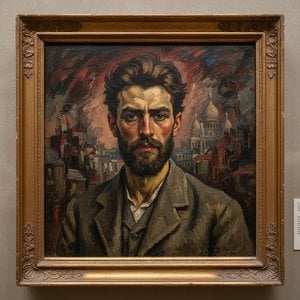
Pruszkowski’s most enduring legacy lies in his portraits – works that transcend mere likeness to reveal the inner character of their subjects. He possessed a remarkable ability to capture not just physical features but also personality, emotion, and social standing. His portraits are often characterized by a subtle psychological depth, inviting viewers to contemplate the lives and experiences of those depicted. His technique involved careful observation, precise drawing, and a masterful use of color to create a sense of realism and immediacy.
Notable among his portrait subjects were members of the Polish elite – military officers, intellectuals, and prominent figures in society. However, Pruszkowski was equally adept at portraying ordinary people, capturing their dignity, resilience, and quiet strength. His portraits are not simply representations of individuals; they are windows into the soul of Poland during a period of profound transformation.
The Shadow of War and Legacy
The outbreak of World War II brought an abrupt end to Pruszkowski’s artistic endeavors. As Warsaw fell under German occupation, he and his wife sought refuge in a small apartment, shielding themselves from the dangers that surrounded them. Despite the hardships of wartime, Pruszkowski continued to work, documenting the suffering and resilience of his fellow Poles through his art. Tragically, he was arrested in June 1942 for aiding Jewish refugees and subsequently shot by Gestapo officers while attempting to escape Pawiak Prison.
Pruszkowski’s life and work serve as a poignant reminder of the sacrifices made by Polish artists during World War II. His portraits, imbued with a sense of patriotism, resilience, and human dignity, continue to resonate today, offering a valuable glimpse into a turbulent era in Polish history. His dedication to preserving artistic traditions while embracing modern sensibilities solidified his place as a significant figure in the development of Polish art.