Šoti häält valgustuse ajast
David Allan, kes sündis 1744. aastal Šotiialloas, tõus esile märkimisväärse kunstilise ja intellektuaalse muutuse ajast, mil maailm uuenes. Tema isa ametikoht sadamasadamak Kaptenina avas talle vara varajase sideme Šoti rannikust kaugemale uuenevale maailmale, vihjates mõjutustele, mis kujundaks hiljem tema kunstilist visiooni. Kuigi detailid tema esialgsest koolitusest on harvad, on selge, et loomulik talent õitsnes juba nooreuses, suunates teda teele, kus ta sai olla üks Šoti kaugeimalt tunnustatud maalari. See tee viis teda 1eks 1764. aastal Rooma – teekonnaks, mis oli tollase igale ambitsioonikale kunstnikule võtmetähtsusega. Üheks kümneks aastaks uputas Allan end klassikalise kunsti ja arhitektuuri õppesse, koopia hoolikalt meisterteoseid nagu Borghese Gladiaator, teritando oma oskusi vormis ja tehnikas Gavin Hamiltoni juhendisel. See itaaliahing ei olnud pelgalt tehniline täiuslikustamine; see oli sünd, mis viis teda ideaalide maailma, mis tungis peaaegu nähtamatult läbi tema hilisemate teostest.Maailmade sulandamine: uusklassitsism ja Šoti elu
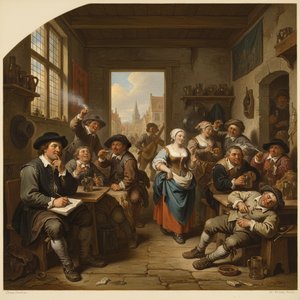
Pärast Šoti naasmist umbes 1770. aastal kujunes Allan Edinburghi kultuurilisse ellu kiirelt sisse, muutudes ühe linna vibratil kultuuriskonna juhtivaks kunstnikuks. Tema stiil on silmapaistvalt eriline tänu uusklassitsistliku täpsuse ja rokoko elegantsi unikaalsele sündmuselle. Samas kui ta omakutsus klassikalisi ideaale korrast, tasakaalust ja selgusest – mis on uusklassitsismi liikumingu tunnusmärke –, säilitas tema teostes dekoratiivne tundlikkus, mis on nähtav värvide ja kompositsiooni kasutamisel. See ei olnud rigiidne järgimine ühele koolikonule, vaid pigem mõistlik mõjutite sulandamine. Allan oli suurepärane nii portreetide kui ka žanripiltide loojana, demonstreerides teravat tähelepanu ja võimet tabada oma teema olemust. Tema portreedi ei olnud pelgalt sarnasus; neis oli psühholoogiline sügavus, mis paljastas isikupära ja karakterit. Kuid tõeliselt eraldas teda žanriteened, pakkudes intiimseid pilke 1l 18. sajandi Šoti ellu – alates karge turupäevadest kuni vaiksete kodumomentideni. Teosed nagu "Pliiutöö Leadhillsis, malmi pesemine" ei ole pelgalt tööstuse kujutused, vaid sügavale nüüdnehelt mõeldud sotsiaalsed kommentaarid, mis on esitatud imetlusväärse realismi ja detailidega. Ta urenes ka ajaloolistesse teemadesse, näiteks "Lood" (triptühki, keskpane paneel), näidates oma ambitsiooni ja mitmekülgsust, integreerides oskuslikult klassikalised mõjud religioossete teemadega.„Šoti Hogarth“ ja tähelepanust sünninud pärand
Allani pühendumus kaasaegse elu kujundamisele tõi talle nimetuse „Šoti Hogarth“, võrdlus, mis rõhutab tema panust žanripiltide ja sotsiaalse kommentaari loomises läbi kunsti. Kuigi ta ei jäljendanud otseselt Hogarthi sageli satiirset stiili, jagas Allan sarnast huvi kujutada igapäevaseid stsenaariume ausalt ja selgusega. Tal oli erakordne võime tabada inimsuhete nüansse ja igapäevase elu tekstuure, tõstes näib olevad tavalised teemad kunstilisse olulisusesse. Tema seos Edinburghi Foulis'i akadeemiaga, mis oli prominentne kunstikoolituskeskus, kinnistas veelgi tema rolli Šoti kunsti kujundamisel sel perioodil. Allan ei loonud vaid maale; ta aitas kaasa eripärase rahvusliku kunstilise identiteedi arengule. Ta mõjutas järgmisi Šoti kunstnike põlvkonnas, julgustades neid vaatama sisepoolt ja leidma inspiratsiooni oma kultuurist ja ümbikusest.Küsimused ja vastused
Kui palju David Allan teoseid on kataloogis vaatamiseks saadaval?
Lehelt Kõik teosed saab vaadata 58 teost teost kunstnikult David Allan.
Kas kunstniku David Allan teoste 3D-virtuaaltuuri on saadaval?
Virtuaalne külastus on võimalik: David Allan lehekülg 3D muuseum tutvustab kunstniku teoseid koldimäärses galeriis.
Mille teiste nimetega on David Allan tuntud?
Kunstnik David Allan tuntub ära ka nime all Davie Allan, Dave Allan.