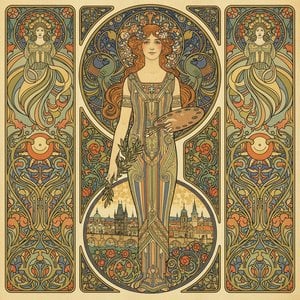
Sümbolismiga Imbiunud Elu
Carlos Schwabe, kes sündis 1866. aastal Saksamaal Altonas nimega Émile Martin Charles Schwabe, oli 19. sajandi lõpu ja 20. sajandi alguse kunstimaailma võtmefiguur. Tema teekond sünnipaikast Genfist, Šveitsist – kus ta omastas Šveitsi kodakõla – ja lõpuks Pariisi kunstikeskusest, Prantsusest, kujundas temast ühe sümbolismi liikumuse kütkestavama hääle. Schwabe elu oli õrn tasakaal praktilise rakendamise ja sügavpõhjalise kunstilise uurimise vahel; alguses töötades Pariisis tapeetidisainerina, tõmati teda kiiresti ligi sümbolismi kasvav maailm – valdkond, mis eelistas subjektiivset kogemust, unenägusid ja vaimulikku uretust puhtale esitamisele. See süvenemine ei olnud pelgalt esteetiline, vaid intellektuaalne, ühendades ta silnadest kunstnike, muusikudega nagu Guillaume Lekeu ja Vincent d’Indule ning kirjanikudega, keda jagas tema fascinatsioon inimtaju nähtamatutega valdkondadega.Unikaalse visiiooni õitsemine
Schwabe kunstiline areng avanes erinevadel teede, kuid tõeline pöördepunkt oli tema osalemine 1892. aastal sündinud Salon de la Rose + Croix näitusel. Ta ei piirdunud vaid esinemisega; ta kujundas selle ürituse ikoonilise plakati, teos, mis kokku kogus sümbolismi ideaalid salapärast ja vaimlikust püüdlusest. See osalemine paljastas seost roosikrüüsist teemadega – esoteelist filosoofiaga, mis rõhutab peidetud teadmisi ja mystilist kogemust – mis tungis hiljem tema teostesse peenelt läbi. Lisaks näitustöödele eristus Schwabe ka meistralikul illustraatorina, pannes oma talenti panema Émile Zola teose Le rêve, Charles Baudelairei Les Fleurs du Mal ja Maurice Maeterlincki Pelléas et Mélisande märkimispäratustest trükkidest. Need illustratsioonid ei olnud lihtsalt tekstile kaasas olevad saadused; need olid tõlgendused, mis laiendasid narratiive kummitusliku visuaalse keelega. Tema stiil arenes ajaga, liikudes varasest faasist, mida iseloomustas idealism ja eksperimentimine, rohkem konventsionaalsetesse loodusest pärit allegorilistesse stseenidesse, säilitades siiski alati selle sügavalt sümbolistliku tundlikkuse. Tema loomingus kordusid teemad: naised toimisid sageli abstrakstsete mõistete – surma, loovuse, juhtimise – esitustena, olla täidetud melankolia ja eterealse iluga.Autori mõjutid ja kunstiline sarnasus
Schwabe kunsti mõistmiseks on vaja tuvastada vooge, mis selle läbi voolavad. Laiem sümbolismi liikumine oli asutav, kuna selle rõhuasetus subjektiivsele kogemusele ja vaimulikule uurimisele pakkus tema töö põhialuseid. Kuid mõjud ulatusid ka sellest vahetust ringist kaugemale. Olemas on selge side saksa romantiikaga, eriti rõhutades emotsioone, sublimeeritud ilu ja inimolu pimedamaid aspekte. Tema täpikas kirjutamine ja detailide hoolikkus võimalavad tuvastada ka varasemate meistrite, nagu Albrecht Dürer ja Andrea Mantegna, kaja. Schwabe ei töötanud isoleeritult; ta kuulus vibrantsele intellektule ja kunstilisele võrgustikule, mis soostis ideede ristsõnimist. Tema seotus roosikrüüsismiga, mis paljastus Salon de la Rose + Croix kaudu, lisas tema sümbolismile veel ühe keerlusastme, viidates peidetud tähendustele ja esoteetilisele teele tema pildikeeldes.Püülematu pärand
Carlos Schwabe ajalooline olulisus peitub tema määravas panuses sümbolistliku kunsti arengusse. Ta aitas defineerida liikumuse esteetikat ainulaadse allegoria, müütoloogia ja sügavalt isikliku sümbolismi seguniga. Tema illustratsioone peetakse Art Nouveau meistriteosteks, mida imetletakse nende keerulise detailikäsitluse, ekspressiivse jõu ja uuendusliku kompositsiooni eest. Ta sai tunnust oma elu jooksul – sealhulgas kuldmedali 1900. aasta maailmaekspozytsional (*Exposition Universelle*) ja liitmise Prantsuse Lõigioni teenetemärkide rüklusse – kuid tema mõju ulatub kaugele nende auhindade taha. Täna jätkub Schwabe töö publikut kõnetama, pakkudes pilgu 19. sajandi lõpu Euroopa keerulisse kunstilisse ja intellektuaalsesse maastikku. Tema maalid ja joonised kutsuvad mõtlemisele, õhutades vaatajat uurima pindala all asuvaid inimemotioonide ja vaimse igatsuse sügavusi. Tema pärand on säilitatud suuremates muuseumikolektsioonides üle maailma – sealhulgas Pariisi Musée d’Orsay's ja Amsterdami Van Gogh muuseumis – tagades, et tema kummituslikult ilus mõte inspireerib ka tulevasi põlvkondi.Olulisemad teosed
- Chrysis võtab armast: Lummav 20. sajandi alguse meistriteos, mis on kantitud saksa romantiikaga ja täidetud kirevase narratiiviga.
- Don Juan helvetis: Dramatiline akvarell, mis kujutab kaoslikku lainet ja piinatud figuure, näidates Schwabe intensiivset väripaletti ja romantilist sümbolistlikku stiili.
- Profeet: Kummituslik monokroomne pliiatskujundis vanast mehest, mis demonstreerib meistalikku varjustamist ja tekstuurit, et tabada kurbust ja mõtlemist.
Küsimused ja vastused
Mis on Carlos Schwabe sünnipaik ja sünnahöstua?
Carlos Schwabe sündis Altona linnas aastal 1866.
Kust leida Carlos Schwabe teoseid kunstisuunali grupitult?
Carlos Schwabe kunstistilid on leitav kunstniku Kõik suunad lehel, kus teosed on gruppitud stiili kaupa.
Kas saan Carlos Schwabe teoseid meediumi järgi sirvida?
Lehel Kõik tehnikad on Carlos Schwabe teosed gruppitud vastavalt tehnikale.