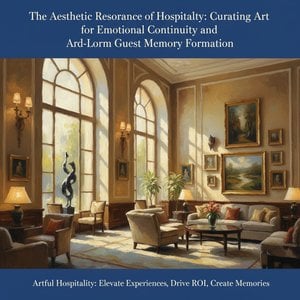
The Evolving Role of Art in Hospitality: From Aesthetic Enhancement to Brand Storytelling
Hotel design involves the planning, drafting, design and development of hotels. The concept of hotel design is rooted in traditions of hospitality to travellers dating back to ancient times, and the development of many diverse types of hotels has occ...
For centuries, the spaces we inhabit have been imbued with meaning through artistic expression. Initially, grand hotels mirrored the opulence of aristocratic homes, showcasing collections that signaled wealth and status – a visual testament to power and refined taste. Think of the gilded salons of 19th-century European palaces reborn as hotel lobbies, filled with portraits of ancestors (or their convincing imitations) and landscapes evoking distant lands. However, the role of art in hospitality has undergone a profound transformation. Today, it’s no longer simply about displaying beautiful objects; it's about crafting narratives, forging emotional connections, and establishing a unique brand identity that resonates deeply with guests. The modern traveler isn’t merely seeking accommodation; they crave experiences – and thoughtfully curated art is an indispensable element in delivering those moments of wonder and connection.
The shift reflects a broader cultural understanding of the power of aesthetics to shape perception. We now recognize that environments profoundly influence our moods, behaviors, and even our sense of well-being. A hotel that invests in art isn’t just decorating; it's actively designing an atmosphere – a carefully constructed emotional landscape intended to leave a lasting impression. This requires moving beyond generic artwork and embracing pieces that tell a story, reflect the local context, or evoke a specific feeling aligned with the hotel’s overall brand ethos. Consider boutique hotels championing regional artists, showcasing works that celebrate the surrounding culture and provide guests with an authentic sense of place. This isn't merely decoration; it’s cultural immersion.
Psychology of Place: How Art Impacts Guest Perception, Mood & Well-being
Environmental psychology is a branch of psychology that explores the relationship between humans and the external world. It examines the way in which the natural- and our built environments shape us as individuals. Environmental psychology investigat...
The connection between art and emotion is deeply rooted in our neurobiology. Studies have demonstrated that viewing aesthetically pleasing artwork activates the brain’s reward centers, releasing dopamine and creating a sense of pleasure and contentment. Semir Zeki's research at University College London revealed how engaging with art triggers activity in the orbitofrontal cortex, an area associated with decision-making and emotional processing – suggesting that art can subtly influence our perceptions and behaviors. This understanding has significant implications for hotel design.
Beyond simply eliciting positive emotions, art can also shape a guest’s perception of space. A carefully chosen abstract painting might create a sense of openness and tranquility in a smaller room, while a bold sculpture could anchor a larger lobby and convey a feeling of grandeur. The principles of environmental psychology further emphasize the importance of creating spaces that are not only visually appealing but also psychologically restorative. Incorporating natural elements – through landscape paintings or biophilic design inspired artwork – can reduce stress levels and promote a sense of calm, enhancing the overall guest experience. The color palette employed in the art selection is equally crucial; warm tones evoke feelings of comfort and intimacy, while cooler hues create a more sophisticated and serene atmosphere.
Curating for Continuity: Establishing a Cohesive Artistic Vision Across Hotel Spaces
 Atmospheric Harmony: Curating Art Packages to Elevate Hotel Guest Experience & Brand Identity
Elevate your hotel guest experience with strategic art curation. Discover how to enhance brand identity, create emotional resonance & maximize ROI through expertly sourced artwork. A guide for hoteliers and designers.
A truly impactful artistic program isn’t a collection of isolated pieces but rather a cohesive narrative that unfolds throughout the hotel. This requires careful planning and a clear understanding of the brand's identity and target audience. The goal is to create a sense of continuity – a visual language that permeates every space, from the lobby and guest rooms to the restaurants and hallways. Consider hotels that adopt a specific artistic movement as their guiding principle; a mid-century modern aesthetic might be reflected in abstract expressionist paintings and sculptural furniture, creating a unified and immersive experience.
The selection process should also consider the flow of movement through the hotel. Artwork can be strategically placed to guide guests’ eyes and create focal points, drawing attention to architectural features or highlighting specific areas. Furthermore, incorporating local art into the program not only supports regional artists but also provides guests with a deeper connection to the surrounding culture. This might involve commissioning site-specific installations or showcasing works that reflect the history and traditions of the area. The key is to create a sense of authenticity – a visual story that feels genuine and engaging.
Art Reproduction vs. Original Commissions: Weighing Investment and Impact
 Transforming Hospitality Spaces: The Aesthetic & Economic Impact of Art Reproduction
Elevate your hotel design with expertly crafted art reproductions & bespoke commissions. Discover how strategic artwork selection enhances guest experience, brand identity & ROI. Expert guidance from ArtsDot.
The question of whether to invest in original artwork or high-quality reproductions is a common dilemma for hotel designers. Original pieces undoubtedly offer greater prestige and potential investment value, but they also come with a significantly higher price tag. High-quality reproductions, on the other hand, provide an affordable alternative without sacrificing aesthetic quality. The advancements in printing technology and the skill of contemporary artists mean that reproductions can be virtually indistinguishable from originals – particularly when executed on canvas with meticulous attention to detail.
The decision ultimately depends on the hotel’s budget, brand positioning, and long-term goals. For luxury hotels seeking to establish themselves as cultural destinations, original artwork is often a worthwhile investment. However, for more mid-range properties, reproductions can be an excellent way to elevate the guest experience without breaking the bank. Commissioning custom artwork offers a unique middle ground – allowing hotels to create pieces that are tailored to their specific needs and aesthetic vision while supporting emerging artists. ArtsDot.com provides access to both expertly crafted reproductions and bespoke commission services, offering a range of options to suit any budget and design requirement.
Sourcing Strategies: Navigating the Art Market for Hotels – Artists, Galleries & Online Platforms
Sourcing artwork can be a complex process, requiring careful research and due diligence. Traditional art galleries offer access to established artists and curated collections, but they often come with high commissions and limited accessibility. Art fairs provide an opportunity to discover emerging talent and network with industry professionals, but they can be time-consuming and overwhelming. Online platforms like ArtsDot.com offer a convenient and cost-effective alternative, providing access to a vast library of artwork from artists around the world.
When selecting artwork, it’s crucial to consider the artist’s reputation, provenance (history of ownership), and market value. Working with reputable art consultants can provide valuable guidance and ensure that you are making informed decisions. Furthermore, establishing relationships with local artists and galleries can foster a sense of community and support regional creativity. Regardless of your sourcing strategy, it’s essential to prioritize quality, authenticity, and alignment with the hotel’s overall brand ethos.
The Future of Hospitality Design: Immersive Experiences & Sustainable Art Practices
The future of hospitality design is focused on creating immersive experiences that engage all five senses. Art will play an increasingly important role in this trend, moving beyond static displays to incorporate interactive installations, digital projections, and augmented reality elements. Imagine guest rooms transformed into living canvases, with artwork responding to the occupants’ movements or moods. This requires embracing new technologies and collaborating with artists who are pushing the boundaries of creative expression.
Sustainability is another key consideration shaping the future of hospitality design. Hotels are increasingly seeking to minimize their environmental impact by sourcing eco-friendly materials, supporting local artisans, and reducing waste. This extends to art selection – prioritizing artwork created with sustainable practices and featuring themes that promote environmental awareness. By embracing these principles, hotels can not only enhance the guest experience but also demonstrate a commitment to social responsibility. ArtsDot.com is committed to providing access to ethically sourced artwork and supporting artists who are dedicated to sustainable practices.