
- Avaleht

- Trükk lõendile
- Adriaen Brouwer
- Brawling Peasants

 Preview
 Tellimaks maali Osta digipilt
 Saada
Saada
 Jaga
Jaga
 Teave teose kohta
 Lisa lemmikutesse

 Laadi alla
 Sarnased teosed
 Röntgenuuring
 Slaidietendus
Brawling Peasants
 Oil On Canvas
- WallArt
- Romanticism
 26.0 x 34.0 cm
 Gemäldegalerie
 Loe lähemalt
Giclée / Kunstiprint
Muuseumikvaliteediga giclée- või kangasprint kiire tootmisega ja paindlikud viimistlusvõimalused.




P118B $10

P118H $10

P118W $10

P438Z $10

P508JH $12

P508YH $12

P805H $10

P805Z $10

P919BZ $10

P919G $10

P919XJ $10

P959ZH $10

P968JZ $12

W106C $8

W218G $10

W218JH $8

W218Y $10

W307PJ $10

W316G $10

W316PJ $8

W316Y $10

W398PJ $8

W4111J $10

W500HY $15

W500JH $15

W692G $12

W849H $8

W940BG $15

W953PJ $8




Vali meie eelmääratud suurused, mis vastavad teose algupärastele proportsioonidele.

Saate sisestada oma mõõdud, et need sobiks konkreetse raami või ruumi sisse. Kui valitud suurus ei vasta originaalteose proportsioonidele, lõigame teose ära või laiendame pilti peegeldatud või ühtlase servaga. Enne tootmisprotsessi algust saadetakse Teie kinnitamiseks digitaalne näidis.
Palun märka, et ekraanil kuvatav eelvaade ei kajasta tegelikku lõigamist või laiendamist. Ainult näidis kujutab täpselt lõplikku kompositsiooni.
Kuigi erimõõdu on saadaval, soovitame originaaproportsioonide säilitamiseks valida mõõt ette määratud nimekirjast.
Ülemaailmne tarne () 2 nädala jooksul, tavalise 4/5 nädala asemel. (25 juuli)

Tasuta ekspresssaatmine üle maailma

Kõrgekvaliteediline linakangas

Täielik transpordikindlustus

Tollimaksude tagastamise garantii

Värvitoime täpsuse garantii

60-päevane tagastusõig: ainult tootmisdefektide korral

100% raha tagasi garantii

Hulgusoodustus
 Klaasivalik on saadaval ainult suuruses kuni 110 cm

Brawling Peasants
Giclée / Kunstiprint
Reproduktsiooni suurus
-


Kogusumma
-
Kogumuse kirjeldus
A Chaotic Tableau of Human Nature: Adriaen Brouwer’s “Brawling Peasants”
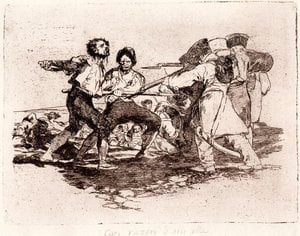
Adriaen Brouwer's "Brawling Peasants" isn’t merely a depiction of a brawl; it’s a visceral snapshot of 17th-century life, a raw and unflinching portrayal of the everyday struggles and simmering tensions that underpinned rural existence. Painted around 1630 – a period marked by social unrest and economic hardship in the Netherlands – this work transcends simple violence to offer a profound commentary on human nature itself. Brouwer, a master of genre painting, eschews idealized representations, instead presenting a scene of brutal honesty, capturing the messy reality of peasant life with remarkable immediacy. The composition is deliberately crowded, almost claustrophobic, drawing the viewer into the heart of the conflict and forcing them to confront the physicality of the struggle.
The scene unfolds within what appears to be a dimly lit workshop or storage area – a space that immediately suggests confinement and perhaps even a degree of desperation. A single man lies prone on the floor, subjected to a vicious beating with a club; his face contorted in agony, his body a testament to the violence inflicted upon him. Around him, other men engage in a chaotic dance of aggression, their movements frenzied and uncontrolled. The figures are rendered with a remarkable lack of sentimentality – no heroic gestures, no noble motivations, simply the brutal act of physical confrontation. Brouwer’s skill lies not in glorifying conflict but in exposing its ugly core.
A Masterclass in Technique: Impasto and Gesture
Brouwer's technique is a crucial element in conveying the painting’s emotional intensity. He employs a thick, impastoed application of oil paint, building up layers of color to create a remarkably tactile surface. This heavy use of paint isn’t merely decorative; it adds weight and physicality to the scene, mirroring the violence depicted within. The brushstrokes are loose and gestural, capturing the energy and movement of the figures with remarkable dynamism. Lines are rough and expressive, conveying a sense of urgency and unrestrained emotion – a deliberate departure from the smoother, more polished styles prevalent at the time.
Notice particularly the rendering of skin and clothing. The impasto technique creates a shimmering effect, highlighting the textures of fabric and flesh with remarkable realism. Shadows are deep and dramatic, contributing to the painting’s overall sense of darkness and foreboding. The uneven lighting further emphasizes the chaos of the scene, drawing attention to key moments of action while obscuring details and creating an atmosphere of suspense.
Historical Context: Peasant Life and Social Unrest
To fully appreciate “Brawling Peasants,” it’s essential to understand the historical context in which it was created. The 17th century was a period of significant social upheaval in the Netherlands, marked by economic hardship, religious tensions, and widespread poverty among the peasantry. Brouwer's paintings often depicted scenes from this marginalized segment of society – their drinking habits, their disputes, their struggles for survival. The painting reflects a broader trend within Dutch art to move away from idealized depictions of aristocratic life and towards a more realistic portrayal of everyday people.
Brouwer’s work aligns with the burgeoning genre of “tronies” – small, intimate portraits that focused on capturing fleeting expressions of emotion. “Brawling Peasants,” however, transcends the conventions of the tronie by presenting a full-scale drama, exploring themes of violence, power, and social inequality. The painting serves as a powerful reminder of the precariousness of life for those living on the margins of society.
Symbolism and Emotional Resonance
Beyond its immediate depiction of violence, “Brawling Peasants” is rich in symbolic meaning. The prone figure represents vulnerability and helplessness, while the aggressors embody the forces of power and control. The chaotic scene can be interpreted as a metaphor for the broader social unrest that plagued the Netherlands during Brouwer’s time – a reflection of simmering tensions beneath the surface of everyday life. The painting's raw emotional intensity continues to resonate with viewers today, prompting questions about human nature, social justice, and the enduring cycle of violence.
Reproductions of this powerful work offer an opportunity to experience Brouwer’s masterful technique and insightful commentary on the human condition. Its dramatic composition and visceral depiction of conflict make it a compelling addition to any collection, while its historical context provides valuable insight into the social and economic realities of 17th-century Europe.
Sarnased teosed




Kunstniku elulugu
Lühike elu: Adriaen Brouweri turbulentne maailm
Adriaen Brouwer, nimi, mis kõlab 17. sajandi flaamlase ja hollandi maalienergia karge kaja, on jäänud salapäraseks kujundiks, vaatamata tema sügavale mõjule žanrimaaliduses. Sündinud Belgia Oudenaardes umbes 1605 või 1606. aastal – täpne aasta on veelgi arutelu predmet – oli Brouweri elu traagiliselt lühike, lõppes enne kui ta jõudis nelikümmendlikaks, 1638. aasta jaanuaris. Tema isa, samuti nimega Adriaen, töötas tapestrite disainerina, avades noore kunstniku silmad visuaalsele kompositsioonile ja disainile juba varajases eas. Kuid raskused ründasid Brouwerit juba viimastel aastatel; isa surm sundis teda kodust lahkuma, alates teekonnale, mida isutasid nii kunstiline briljantsus kui ka isiklik segadus. See varajane iseseisvus kujundas ilmselt tema rebellistlikku vaimu ja kütus tema teravat tähelepanu elu peidetud ohtudele – teemadele, mis said hiljem tema loomingulise vaimu keskpunktiks.Žanri uuendaja: igapäevase elu olemuse tabamine
Brouwer kujunes kiiresti välja žanrimaaliduse üks peamisi uuendajaid – kunstiliigi, mis on pühendunud tavaelu stseenide kujutamisele. Ta ei idealiseerinud ega romantiseerinud; selle asemel esitas ta tooresid ja puhtaid pilgusid vaelaste, sõdurite ja rahvaesta inimeste maailma. Tavernad said tema lemmiklavannaks, mis täideti inimestega, kes olid hõivatud joomise, suitsetamise, kaardimängude, türiolu ja lihtsalt oma igapäevase rutiini tarbekusega. Teosed nagu Vaegad inimesed tavernas joomas, Väikemaapid kaardimängimas ja Türi ei ole pelgalt tegevuse kujutused; need on psühholoogilised uuringud, mis paljastavad isikupära läbi žestide, ilmete ja valgus-varjundite peene mängu. Tal oli erakordne võime tabada inimsuhtluseไหม lennukaid hetki, andes oma stseenidele kohesuse ja autentिकता tunnet, mis kõlastas sügavalt kaasaegseid vaatajaid. Näiteks uskutakse, et teoses Suitsetajad on virlu rühmas sisaldunud ka autoportree, näidates Brouweri enda osalust sellest karge sotsiaalelu osana, mida ta nii tihti portreteeris. Tema maalid ei olnud lihtsalt sellest, *mida* inimesed tegid, vaid sellest, *kuidas* nad seda tehes tundsid.Pärand ja ajalooline tähtsus: püsiv mõju
Hoolimata oma lühikesest karjäärist oli Adriaen Brouweri mõjul järglaste kunstnikele hiiglaslik roll. Ta aitas tõsta žanrimaalid kunstimaailmas prominentsesse as posisi, demonstreerides selle potentsiaali nii kunstiliseks väljenduseks kui ka sotsiaaliseks kommentaariks. David Teniers noorem koos teiste flaamlaste ja hollandilaste maalidega sai Brouweri innovatiivsest lähenemisest igapäevase elu kujutamisest olulist inspiratsiooni. Tema fookus tavalistele inimestele pakkus väärtuslikku vaadet 17. sajandi Flandria ja Hollandi vabariigi sotsiaalsetele tavadest ja igapäevastele rutiinidele, pakkudes akeni maailma, mida traditsioonilisemad kunstivormid sageli üle nägi. Täna on tema teosed säilitatud nii auastatud muuseumides nagu Antwerpis asuv Koninklijk Museum voor Schone Kunsten Belgias, tagades, et tema pärand jätkab inspireerimist ja võluma korduvalt põlvkondadeks. Ta jääb üles tõestuseks tähelepanu jõust, ebatäiuslikkuse ilu ja liaisest, filtreerimata hetkede tabamise igaveneust.
Adriaen Brouwer
1635 - 1638 , Belgia
Lühikesed faktid
- Artistic Movement Or Style: Barokk, žanripaitel
- Artists Or Movements Influenced By This Artist: ['David Teniers noorem']
- Artists Who Influenced This Artist: ['Flemish Primitives']
- Date Of Birth: 1605/1606
- Date Of Death: 1638
- Full Name: Adriaen Brouwer
- Nationality: Flandria
- Notable Artworks:
- Vaegad inimesed tavernas jupimas
- Väikemaapidjad kaardimängus
- Tüürnik
- Kättesauna
- Kuula loodud maastik
- Place Of Birth: Oudenarde, Belgia
Seotud artiklid

Metropolitani Muuseumi 25 Kunsti Helmi: Ajaloo ja Ilu Teekond ArtsDot'is
Avastage Metropolitani muuseumi 25 kõige ikoonilisemat kunstiteost! Sukeldume maalikunstnike maailma, impressionismi võlu ja ajalooliste värvikombinatsioonide sisse. Leidke täiuslik seina kaunistus ArtsDot'is – kvaliteetsed reproduktsioonid ja sisustus ideed. Avastage kogu kollektsioon online!

Adriaen Brouwer: Capturing Dutch Life & Social Commentary Through Genre Painting
Explore the captivating world of Adriaen Brouwer, a master of Dutch Golden Age genre painting. Discover his vivid depictions of peasant life, social commentary, and lasting influence on art history. Learn more at ArtsDot.

James Abbott McNeill Whistler: 25 meistriteost kunstikollektsioonis | ArtsDot.com
Avastage James Abbott McNeill Whistler'i 25 võrratut meistriteost! Sukelduge esteetilisse kunstimaailma, õppige tema maalitehnikatest ja leidke täiuslik seina kaunistus ArtsDot.com-ist. Kunstikollektsioonid & reprodutsioonid.

Henri Matisse: 25 meistriteost värviküllase kunsti maailmast | ArtsDot
Avastage Henri Matisse 25 ikoonilist teost! Sukelduge värviküllase Fauvismi maailma, modernse kunsti ajaloosse ja inspireerige oma interjööri. Kvaliteetsed kunstireprodutsioonid ArtsDot.com-is. Avasta kogu kollektsioon online!
Rahvusgalerii parimad 25 teost Washingtonis: Kunsti meistriteosed kodus
Avastage Rahvusgalerii Washingtoni 25 parimat teost! Sukeldu Cézanne'i, Matisse'i ja Picasso maalidest inspireeritud kunstiajalukku. Leidke täiuslik seinakaunistus või luksuslik reproduktsioon kodusse ArtsDot.com-is. Vaadake kogu kollektsiooni online!

