


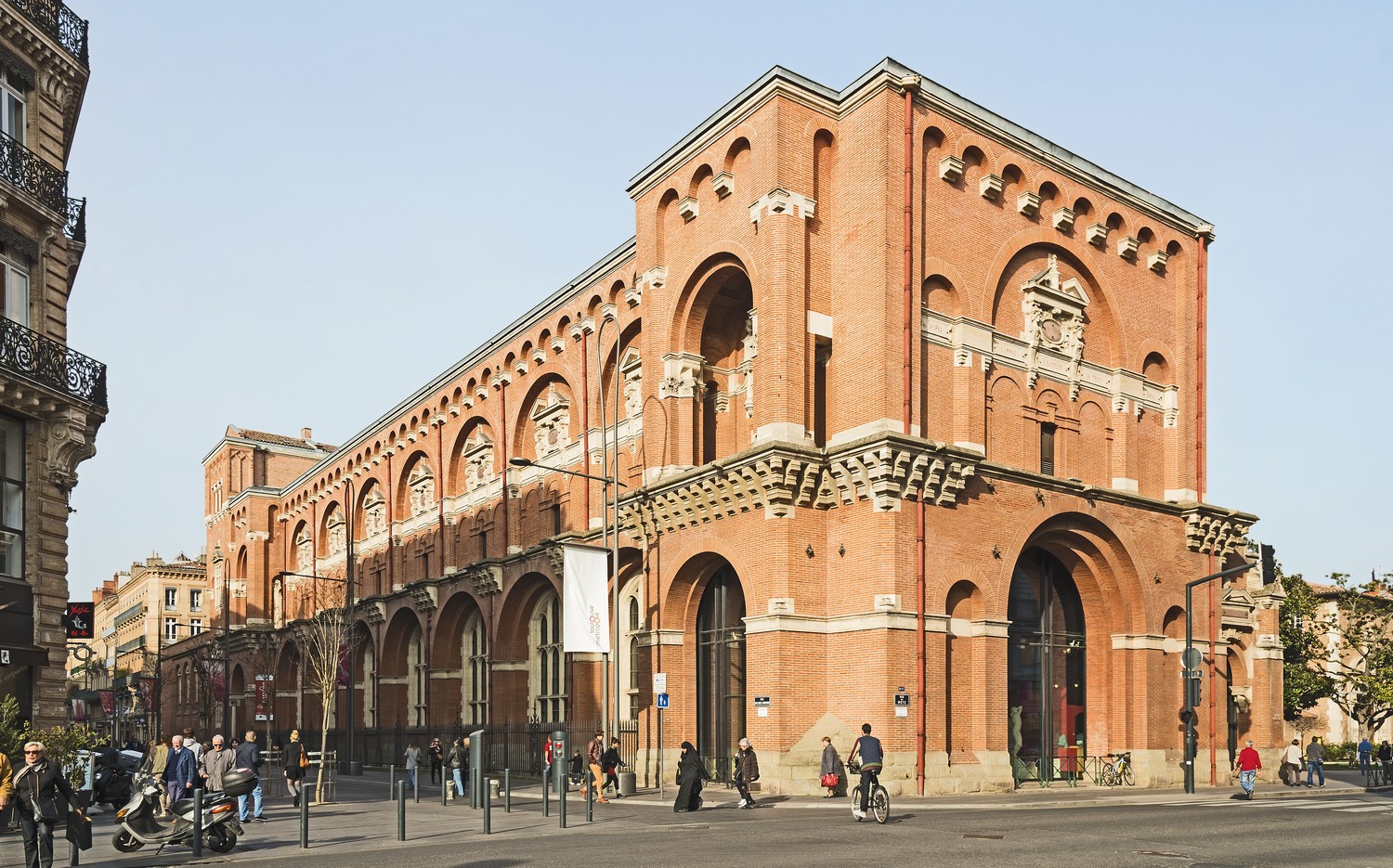
Un Santuario de Piedra y Espíritu
En el corazón de Toulouse, donde los ecos de la historia occitana aún perduran en el aire, el Musée des Augustins ofrece un encuentro profundo con el pasado. Al adentrarse en este edificio gótico notablemente preservado, que alguna vez fue un sagrado convento agustino, uno se ve envuelto de inmediato por una atmósfera de grandeza arquitectónica. Las elevadas bóvedas de crucería y los arcos apuntados hacen más que sostener un techo; dirigen la mirada hacia lo alto, invitando a un sentimiento de contemplación divina.A medida que la luz se filtra a través de las vibrantes vidrieras en la nave, baña el interior con un resplandor etéreo, iluminando un espacio donde los límites entre lo secular y lo sagrado parecen disolverse. El claustro reconstruido, con su tranquilo jardín medieval, proporciona un respiro sereno, permitiendo a los visitantes deambular por un paisaje que ha sido testigo de siglos de devoción y transformación. Este entorno arquitectónico no es simplemente un telón de fondo, sino un participante vivo en la narrativa del museo, ofreciendo una sensación de permanencia y paz que resulta rara en el mundo moderno.
Los Testigos Silenciosos de la Era Románica
Dentro de estos muros sagrados, la colección de escultura románica del museo se erige como un testimonio monumental del siglo XII. Estas figuras de piedra caliza, talladas con un palpable sentido de solemnidad espiritual, representan la estética distintiva de Provenza y de la región occitana en su conjunto. Cada santo y cada escena bíblica están imbuidos de un gesto expresivo y una forma estilizada que nos hablan de una época en la que el arte era el principal vehículo de la fe.Caminar entre estas esculturas es entablar un diálogo silencioso con el alma medieval; sus superficies desgastadas y sus poderosas narrativas ofrecen una visión del fervor religioso que moldeó la identidad europea. Esta colección, junto con los delicados manuscritos iluminados y los tesoros litúrgicos del museo, crea un rico tapiz de maestría medieval, donde cada objeto meticulosamente elaborado sirve como una ventana a un mundo definido por la piedad y la intrincada artesanía. Para el amante del arte, estas piezas representan los cimientos mismos de la tradición escultórica occidental.
Un Lienzo de Eras Cambiantes
Al pasar del peso de la piedra a la fluidez del lienzo, el Musée des Augustins revela su papel como custodio del legado artístico en constante evolución de Francia. Las galerías del museo albergan una progresión impresionante de estilos pictóricos, que abarcan desde el siglo XV hasta principios del siglo XX. Uno no puede evitar conmoverse ante la precisión neoclásica de Jean Auguste Dominique Ingres , particularmente en su obra maestra, Virgilio leyendo la 'Eneida' . En este trabajo, el juego de luces y sombras da vida a la literatura antigua, mostrando una maestría técnica que tiende un puente entre los temas clásicos y el realismo moderno.Esta era de refinamiento contrasta bellamente con la energía dramática del Romanticismo, presente en las obras de Delacroix , y los momentos evocadores y fugaces capturados por Toulouse-Lautrec durante la Belle Époque. Para el coleccionista o el diseñador de interiores, estas obras ofrecen más que una mera decoración; son exploraciones profundas de la emoción humana y del movimiento histórico. El museo se erige como un destino vital para cualquiera que busque comprender el poder perdurable de las artes visuales, presentando un viaje curado a través del alma misma de la creatividad europea.


