El amanecer del modernismo indonesio: La vida de Raden Saleh
En el gran tapiz del arte del siglo XIX, pocas figuras poseen una narrativa tan evocadora y culturalmente transformadora como Raden Saleh Syarif Bustaman. Nacido alrededor de 1811 en una noble familia hadramita en la isla de Java, Saleh surgió no solo como pintor, sino como un puente entre dos mundos. Su vida fue un profundo viaje de movimiento: desde los exuberantes paisajes tropicales de las Indias Orientales Neerlandesas hasta los sofisticados e intelectuales salones de Europa. Como el primer artista "moderno" reconocido de Indonesia, navegó las complejidades de la identidad colonial con una gracia inigualable, entrelazando la intensidad dramática del Romanticismo europeo con los ritmos culturales profundamente arraigados de su herencia javanesa.
La odisea artística de Saleh comenzó en Bogor, bajo la mirada atenta y alentadora del pintor belga A.J. Payen. Fue Payen quien reconoció un genio raro y floreciente en el joven estudiante, persuadiendo finalmente a las autoridades coloniales para facilitar el viaje de Saleh a los Paiente Bajos. Esta transición del Este al Oeste marcó el inicio de un período transformador de rigor académico. Inmerso en el corazón de la educación artística europea, Saleh estudió con maestros como Cornelis Kruseman y Andreas Schelfhout. De Kruseman, dominó los delicados matices del retrato, una habilidad que más tarde le permitiría capturar la dignidad tanto de la nobleza como del pueblo llano. De Schelfhout, aprendió el arte del paisaje, absorbiendo las técnicas necesarias para representar la luz, la atmósfera y la profundidad con una precisión asombrosa.
Una sinfonía de romanticismo e identidad
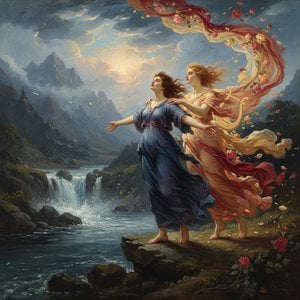
Mientras Saleh recorría las grandes capitales culturales de Europa —incluyendo Ámsterdam, París e incluso Alejandría— su obra comenzó a latir con la energía del movimiento romántico. Esta era, caracterizada por el énfasis en la emoción, el individualismo y el poder sublime de la naturaleza, encontró un vehículo perfecto en su pincelada. Sus lienzos a menudo representaban escenas de intenso drama: encuentros con animales salvajes, tormentas turbulentas y la cruda lucha por la supervivencia. Sin embargo, bajo el espectáculo superficial de las escenas de caza o las bestias en combate, subyacía una capa sofisticada de simbolismo. Utilizó la estética europea para expresar un creciente sentido de identidad indonesia, afirmando sutilmente la fuerza y la complejidad de su patria dentro del propio lenguaje del colonizador.
Sus logros durante este período fueron nada menos que extraordinarios. Saleh se convirtió en una figura de distinción internacional, ganándose el patrocinio de personajes prestigiosos como Ernesto I, Duque de Sajonia-Coburgo-Gotha. Su presencia en la alta sociedad europea fue tan significativa que se convirtió en el primer indonesio autóctono en ser iniciado en la Francmasonería en 1836, un testimonio de su posición intelectual y su integración social. Ya fuera pintando un retrato real o una vista panorámica de un volcán en erupción, la obra de Saleh poseía un dualismo único: era técnicamente indistinguible de los más excelsos maestros europeos de su época, pero respiraba con un espíritu inequívocamente javanés.
El legado de un visionario
La importancia histórica de Raden Saleh no puede exagerarse. No se limitó a adoptar un estilo extranjero; lo reclamó, reutilizando las herramientas del arte occidental para contar historias de su propio pueblo y paisaje. Su capacidad para sintetizar la tensión dramática del Romanticismo con los matices culturales de las Indias Orientales Neerlandesas sentó las bases de todo el arte moderno indonesio posterior. Incluso mientras se movía por los círculos de élite de Europa, su corazón permaneció ligado a la tierra de Java, una conexión visible en la luz y la vida que infundía en cada sujeto.
Hoy recordamos a Raden Saleh no solo como un maestro artesano, sino como un pionero de la síntesis cultural. Su legado se encuentra en:
- El nacimiento de la modernidad: Establecer el primer puente formal entre los temas del sudeste asiático y las técnicas académicas occidentales.
- Versatilidad artística: Dominar diversos géneros que van desde el retrato íntimo hasta pinturas históricas y animalistas épicas a gran escala.
- Diplomacia cultural: Utilizar su fama internacional para atraer la atención mundial hacia la belleza y complejidad del archipiélago indonesio durante un período de transición colonial.
A través de su pincel, los paisajes salvajes de Java y las intensas emociones del espíritu humano fueron inmortalizados, asegurando que el nombre de Raden Saleh permanezca grabado para siempre en los anales de la historia del arte mundial.
Preguntas y respuestas
¿A qué periodo histórico pertenecía Raden Saleh?
Raden Saleh trabajó durante el periodo Siglo XIX. Este periodo sitúa la actividad del artista en su contexto histórico.
¿Cuántas obras de Raden Saleh hay disponibles para explorar?
Puede explorar 21 obras obras de Raden Saleh en la página Todas las obras de arte.
¿Cómo puedo encontrar obras de Raden Saleh por paleta de colores?
Puedes explorar las obras de Raden Saleh por paleta de colores en la página de Por paletas de colores del artista.