El Maestro de la Precisión Barroca: La Vida y el Legado de Nicolaes Knüpfer
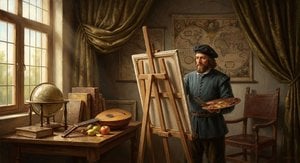
En el vibrante y bullicioso paisaje de la Edad de Oro holandesa, pocos artistas capturaron la tensión dramática de la era barroca con tanto cuidado meticuloso como Nicolaes Knüpfer. Nacido en Leipzig, Alemania, en 1609, la trayectoria de Knüpfer, desde su etapa como aprendiz alemán hasta convertirse en una figura célebre de la comunidad artística neerlandesa, es un testimonio de la naturaleza fluida e interconectada del arte europeo en el siglo XVII. Sus primeros años estuvieron definidos por una búsqueda rigurota de la maestría técnica, comenzando con su formación bajo el estimado Emanuel Nysen. Este periodo fundacional le inculcó un profundo respeto por los elementos estructurales de la pintura, pero fue quizás su inesperada estancia en Magdeburgo lo que verdaderamente moldeó su ADN artístico único. Durante su residencia allí, Knüpfer trabajó como fabricante de pinceles, una ocupación íntima que le otorgó una comprensión sin precedentes de las herramientas de su oficio. Esta visión excepcional de las fibras y texturas mismas del pincel le permitió manipular los pigmentos con una precisión que más tarde se convertiría en su sello distintivo, fusionando el conocimiento táctil del artesano con el espíritu visionario del pintor.
La trayectoria de la carrera de Knüpfer alcanzó un hito transformador en 1630, cuando se trasladó a Utrecht. Este movimiento lo situó en el corazón de un floreciente centro artístico, donde entabló una asociación colaborativa crucial con el legendario Abraham Bloemaert. Bajo la influencia del sofisticado estilo de Bloemaert, Knüpfer comenzó a expandir su repertorio más allá de la mera ejecución técnica, abrazando los temas más grandiosos y emotivos de las narrativas bíblicas y las leyendas mitológicas. Su capacidad para tejer historias complejas a través de líneas fluidas y figuras inusuales y expresivas lo distinguió de sus contemporáneos. Para 1637, su reputación estaba firmemente establecida, lo que le valió el prestigioso ingreso en el Gremio de San Lucas. Este periodo de madurez profesional le llevó a emprender encargos monumentales que se extendieron mucho más allá de las fronteras de los Países Bajos; notablemente, su trabajo para el opulento Castillo de Kronborg en Dinamarca sirve como un brillante recordatorio de su estatus como un artista decorativo de primer orden, capaz de enriquecer los interiores más reales.
Un Tapiz de Temas: De las Narrativas Sagradas a las Escenas de Género
La obra de Knüpfer se caracteriza por una versatilidad notable, que le permitió navegar sin fisuras entre lo divino y lo terrenal. Poseía un talento singular para insuflar vida a figuras históricas y bíblicas, dotándolas de una sensación de profundidad psicológica y grandeza. En obras maestras como La Reina de Saba ante Salomón, se puede presenciar su dominio de la estética barroca: un mundo de texturas ricas, iluminación dramática y esplendor cortesano que transporta al espectador a una era de antigua majestad. Sin embargo, Knüpfer era igualmente hábil capturando la atmósfera cruda y animada de la vida cotidiana. Sus pinturas de género, como la evocadora Escena de Burdel, revelan una faceta diferente de su genio. En estas obras, la elegancia refinada de sus escenas mitológicas da paso a personajes exagerados y pinceladas expresivas que capturan la energía pura y a menudo caótica de una taberna de Ámsterdam, ofreciendo una ventana conmovedora a las actitudes sociales y las texturas de la Edad de Oro holandesa.
Más allá de sus logros individuales, la importancia de Knüpfer está profundamente entrelazada con el movimiento más amplio del paisaje y la pintura colaborativa. Colaboró frecuentemente con maestros como Jan Both y Jan Baptist Weenix, integrando hábilmente sus intrincadas figuras en sus paisajes expansivos y atmosféricos. Esta sinergia creó una experiencia visual holística donde el drama humano y la belleza natural existían en una armonía perfecta y dramática. Su legado se consolida aún más por su papel como mentor e influencia para la siguiente generación de maestros neerlandeses; el linaje de grandes pintores como Jan Steen y Gabriel Metsu puede rastrear hilos estilísticos hasta la precisión y la profundidad narrativa pioneras de Knüpfer. A través de su mezcla de artesanía técnica y narrativa de gran arte, Nicolaes Knüpfer permanece como una figura vital en la historia del arte europeo, recordándonos una época en la que cada pincelada era un acto tanto de devoción como de descubrimiento.
Preguntas y respuestas
¿Qué tan populares son las obras de Nicolaes Knüpfer?
Las estadísticas sobre las obras de Nicolaes Knüpfer están disponibles en la página de Estadísticas del artista.
¿Cuántas obras de Nicolaes Knüpfer hay disponibles para explorar?
Puede explorar 30 obras de arte obras de Nicolaes Knüpfer en la página Todas las obras.
¿Dónde se pueden explorar las obras de Nicolaes Knüpfer clasificadas por tema?
El Atlas de temas de Nicolaes Knüpfer es una página que organiza las obras del artista según sus temas.