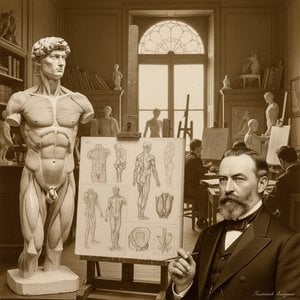
Un viaje a través de la psique: La vida y el arte de Maciej Antoni Babinski
La vida de Maciej Antoni Babinski es un testimonio profundo del poder transformador del desplazamiento y de la resiliencia perdurable del espíritu humano. Nacido en 1931 en Poznań, Polonia, sus primeros años fueron moldeados por los turbulentos vientos de la Europa de mediados de siglo. El inicio de la Segunda Guerra Mundial obligó a su familia a migrar hacia Inglaterra, una experiencia que más tarde serviría como una capa fundacional en su conciencia artística. Este periodo de errancia y reasentamiento —moviéndose desde el Reino Unido hacia Montreal, Canadá, y finalmente hacia Brasil— hizo mucho más que alterar su geografía; expandió los límites mismos de su vocabiente creativo. Cada nuevo paisaje y cada cultura actuaron como un catalizador, infundiendo su obra con una mezcla única de tradición europea y experimentación del Nuevo Mundo.
A medida que Babinski se asentaba en su práctica artística, emergió no solo como pintor o grabador, sino como un filósofo visual. Su formación temprana en Polonia le proporcionó un dominio riguroso de las técnicas clásicas, sin embargo, fue su encuentro con las diversas corrientes artísticas de mediados del siglo XX lo que verdaderamente definió su voz. En Canadá, se involucró con los movimientos abstractos que rodeaban a Paul-Émile Borduas, mientras que su larga residencia en Brasil le permitió comulgar con la intensidad gráfica de maestros como Augusto Rodrigues y Oswaldo Goeldi. Estas variadas influencias se fusionaron en un estilo que permanece sorprendentemente singular: una unión de surrealismo y
expresionismo que busca cartografiar los territorios inexplorados del subconsciente humano.
La arquitectura de la emoción y el simbolismo
Encontrarse con una obra de Babinski es entrar en un espacio donde las fronteras entre la realidad y el sueño se disuelven. Su obra se caracteriza por una intensa preocupación por la profundidad psicológica, utilizando a menudo los crudos contrastes del blanco y negro para evocar una sensación de tensión existencial. Emplea magistralmente la línea y la forma no solo para representar sujetos, sino para comunicar estados internos del ser. Ya sea a través de sus grabados inquietantemente detallados o sus vibrantes acuarelas abstractas, existe un sentido palpable de movimiento e inquietud. Su uso de la distorsión nunca es arbitrario; más bien, sirve como una herramienta deliberada para amplificar el peso emocional de sus composiciones, invitando al espectador a confrontar las complejidades del miedo, el anhelo y la identidad.
El simbolismo dentro de su trabajo a menudo se nutre de imágenes arquetípicas, creando un puente entre la experiencia personal y la verdad universal. Sus piezas presentan frecuentemente:
- Tensión psicológica: El uso de espacios abarrotados o claustrofóbicos para reflejar las luchas internas de la mente humana.
- Metáforas naturales: Paisajes y elementos botánicos que sirven como recipientes para significados simbólicos más profundos y, a menudo, perturbadores.
- La figura humana: Retratos y figuras que suelen estar "desordenadas" o distorsionadas, capturando la esencia cruda y sin adornos de la emoción.
Legado y trascendencia histórica
La carrera de Babinski está marcada tanto por un inmenso logro creativo como por el profundo impacto de las convulsiones políticas. Su tiempo enseñando en el Instituto Central de Artes en Brasilia fue trágicamente interrumpido por la persecución política, obligándolo a reubicarse una vez más dentro de Brasil. A pesar de estas interrupciones, su compromiso con la comunidad pedagógica y artística se mantuvo firme, como se observa en su influyente etapa en la Universidad Federal de Uberlândia. Este periodo de servicio académico aseguró que su maestría en el grabado, la ilustración y la pintura fuera transmitida a las generaciones posteriores de artistas.
Hoy en día, la importancia histórica de Maciej Antoni Babinski reside en su capacidad para sintetizar una perspectiva globalizada en un lenguaje artístico profundamente personal. Sus obras no son meros artefactos de la historia del arte polaco o brasileño; son exploraciones universales de la psique. Desde las prestigiosas colecciones del Musée des Valeurs du Banque Central du Brésil hasta las salas del Blanton Museum of Art, su legado continúa resonando. Él permanece como una figura vital para cualquiera que busque comprender cómo el movimiento de una vida a través de los continentes puede resultar en un arte que habla de las verdades permanentes e inmutables de la condición humana.
Preguntas y respuestas
¿Cómo puedo seguir la obra de Maciej Antoni Babinski año tras año?
Las obras de Maciej Antoni Babinski pueden verse en orden cronológico en la página de Cronología de obras del artista.
¿Puedo explorar las obras de Maciej Antoni Babinski por técnica?
La página Todos los medios agrupa las obras de Maciej Antoni Babinski por técnica.
¿Puedo explorar las obras de Maciej Antoni Babinski por paleta de colores?
La página Por paletas de colores agrupa las obras de Maciej Antoni Babinski según sus paletas de colores.