El crisol intelectual de Burdeos
Nacido en el vibrante puerto de Burdeos, salpicado por la brisa marina, en 1681, Joseph-François Lafitau fue un hijo tanto del comercio como de la fe. Criado en el seno de una próspera familia de mercaderes, sus primeros años estuvieron impregnados de las corrientes globales que fluían a través de la puerta marítima más importante de Francia. Este entorno, donde convergían lenguas extrañas y mercancías exóticas, proporcionó un terreno fértil para una mente destinada a tender puentes entre continentes. Su educación en el Colegio Jesuita le inculcó una disciplina rigurosa; sin embargo, fue la riqueza de su familia lo que le permitió acceder a una vasta biblioteca de literatura antigua, teología e historia natural. Al ingresar en la Compañía de Jesús, Lafitau no buscó simplemente difundir un credo, sino descodificar el tejido mismo de la existencia humana a través de la mirada de un misionero erudito.Una lente revolucionaria sobre el Nuevo Mundo
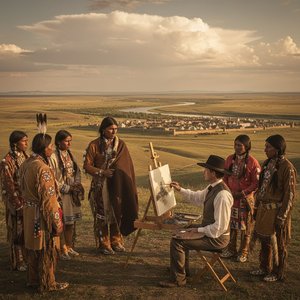
El año 1709 marcó un cambio profundo en la trayectoria de Lafitau, cuando su vocación lo condujo hacia los accidentados paisajes de la ciudad de Quebec. Mientras muchos de sus contemporáneos observaban a los pueblos indígenas de América del Norte bajo una lente puramente teológica o colonial, Lafitau fue pionero en un alejamiento radical. Inspirándose en los florecientes ideales de la Ilustración de Montesquieu y Voltaire, adoptó el método comparativo. No se limitó a observar; documentó meticulosamente las intrincadas estructuras sociales, los sistemas de parentesco y las tradiciones legales de la Confederación Iroquesa. Su obra se caracterizó por un rigor científico sin precedentes, tratando las costumbres del "Nuevo Mundo" no como curiosidades primitivas, sino como sociedades complejas dignas de un estudio profundo y analítico. Esta transición de misionero a etnólogo lo transformó en un pionero de la antropología científica.El legado perdurable de la observación
Las contribuciones de Lafitau se extienden mucho más allá de los límites de la misión religiosa, dejando una huella indeleble tanto en las ciencias naturales como en la filosofía social. Su obra maestra, Costumbres de los indios americanos comparadas con las costumbres de los tiempos primitivos, se erige como un logro monumental en la literatura etnográfica, ofreciendo una ventana a un mundo que cambiaba rápidamente. Más allá de sus triunfos antropológicos, su agudo ojo para la naturaleza condujo al importante descubrimiento de la conexión entre el ginseng asiático y el americano, uniendo el conocimiento botánico a través del Pacífico. Su viaje intelectual, que comenzó en las aulas de Burdeos y culminó en los bosques de Canadá, permanece como un testimonio del poder de la razón y la observación. A través de la obra de su vida, Lafitau ayudó a colocar las piedras fundamentales para el estudio moderno de la cultura humana, asegurando que las voces del pasado resonaran a través de los avances científicos del futuro.Preguntas y respuestas
¿Con qué otros nombres se conoce a Joseph-François Lafitau?
Joseph-François Lafitau también es conocido como Joseph François Lafitau.
¿En qué ciudad y país nació Joseph-François Lafitau?
Joseph-François Lafitau nació en Bordeaux, Francia.
¿Dónde puedo ver las obras de Joseph-François Lafitau en orden cronológico?
La página de Cronología de obras del artista presenta las obras de Joseph-François Lafitau ordenadas cronológicamente, año tras año.