El alma tras el trazo: El legado artístico de Edmund Mańczak
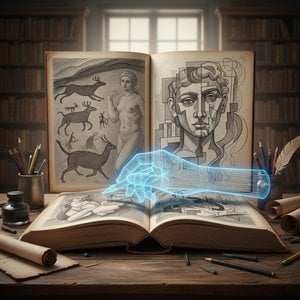
En los memorables anales del arte polaco, pocas figuras poseen la capacidad de tender un puente entre la profunda profundidad psicológica y el ingenio lúdico de la sátira con tanta elegancia como Edmund Mańczak. Nacido en la vibrante y culturalmente rica atmósfera de Varsovia en 1917, Mańczak emergió de un periodo de inmensa transición histórica, portando consigo los ecos de los movimientos de vanguardia europeos. Sus primeros años fueron moldeados por las corrientes intelectuales del surrealismo y el cubismo, que le proporcionaron un sofisticado vocabulario visual mucho antes de establecer su propia voz singular. Esta base le permitió trascender la mera imitación, buscando en su lugar capturar la esencia misma de sus sujetos a través de una lente que era, a la vez, observadora y profundamente empática.
La trayectoria de Mańczak como artista fue una de evolución continua y rigor académico. Tras perfeccionar su oficio en la Escuela Estatal de Arte de Poznań, refinó su destreza técnica en la prestigiosa Academia de Bellas Artes de Varsovia. Fue dentro de estos sagrados recintos donde Mańczak transitó de ser un estudiante de diversos estilos —que abarcaban desde la energía cruda del expresionismo hasta la precisión estructurada del constructivismo— a convertirse en un maestro educador. Durante su mandato como profesor en la Academia entre 1958 y 1967, hizo más que simplemente enseñar técnica; nutrió a una generación de artistas, inculcándoles un respeto por la observación meticulosa de la condición humana que se convertiría en su propio sello distintivo.
Maestría del medio y el carácter
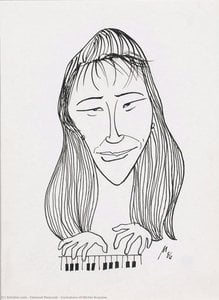
Mientras muchos artistas buscan la grandeza del óleo sobre lienzo, Mańczak encontró sus mayores triunfos en los reinos íntimos y táctiles del lápiz, la tinta y el cartón. Existe una intimidad notable en su elección de materiales, lo que le permitió manipular la textura y el tono con precisión quirúrgica. Su obra a menudo evita la distracción del color para concentrarse enteramente en el juego de luces y sombras, creando un mundo monocromático donde cada trazo de la pluma cumple un propósito narrativo. Esta maestría técnica fue más evidente en sus célebre caricaturas, donde logró una hazaña poco común: capturar el parecido inconfundible de una persona y, simultáneamente, revelar su espíritu interior.
Sus retratos nunca fueron meros estudios anatómicos; eran exploraciones psicológicas. Al representar figuras como Krzysztof Jabłoński o Tatiana Pikajzen, Mańczak utilizaba gestos sutiles y expresiones fugaces para transmitir verdades más profundas sobre sus personajes. Su capacidad para equilibrar los rasgos exagerados de la caricatura con un profundo sentido de la dignidad es lo que eleva su trabajo del simple humor al gran arte. A través de su hábil uso de la línea, podía evocar la risa mediante una ingeniosa exageración o el silencio a través de una mirada conmovedora y sombría.
Una huella imborrable en el arte polaco
La importancia histórica de Edmund Mańczak reside en su capacidad para humanizar el proceso artístico. En una era donde el arte podía volverse a menudo excesivamente político o abstractamente distante, Mańczak permaneció arraigado en una perspectiva humanista. Su obra sirve como un registro vital de las personalidades y texturas sociales de la Polonia de mediados del siglo XX, preservadas a través de los ojos agudos, ingeniosos y compasivos de un maestro del dibujo.
Reflexionar sobre la obra de su vida es presenciar un diálogo constante entre el humor y el desamor, entre la precisión de la academia y la libertad del satirista. Su legado continúa resonando a través de:
- Innovación técnica: La integración fluida de las influencias de vanguardia en el medio tradicional del dibujo.
- Profundidad psicológica: Una capacidad única para utilizar la caricatura como una herramienta de estudio de personaje en lugar de una mera burla.
- Impacto educativo: Su profunda influencia en la Academia de Bellas Artes de Varsovia y en las generaciones posteriores de artistas polacos.