La sombra y la luz: La vida de Dirck van Baburen
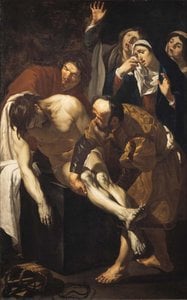
En los anales de la Edad de Oro holandesa, pocos nombres evocan el drama visceral de la sombra y la iluminación repentina como el de Dirck van Baburen. Nacido alrededor de 1595 en Wijk bij Duurstede, su vida fue un impacto meteórico, breve pero brillante, a través del lienzo de la historia del arte. Aunque sus años fueron trágicamente cortos, terminando en 1624, logró encender una revolución estilística que redefiniría la estética del norte de Europa. Como pilar central de la Escuela de Utrecht de los Caravaggistas, van Baburen no se limitaba a pintar escenas; él orquestaba momentos de profunda tensión, utilizando el crudo lenguaje del tenebrismo para sumergir a los espectadores en la realidad íntima y, a menudo, descarnada de sus sujetos.
Los cimientos de su maestría se forjaron en los estudios de Utrecht, bajo la tutela del respetado Paulus Moreelse. Sin embargo, la verdadera metamorfosis de su alma y su pincel ocurrió durante su transformadora peregrinación a Roma entre 1612 y 1615. Fue en las calles de la Ciudad Eterna, bañadas por el sol pero salpicadas de sombras, donde van Baburen encontró el espíritu revolucionario de Caravaggio. A través de su estrecha relación con Bartolomeo Manfredi, un devoto seguidor de los métodos de Caravaggio, el joven holandés absorbió los secretos del claroscuro: el arte de utilizar contrastes extremos entre la luz y la oscuridad para crear volumen y profundidad psicológica. Esta inmersión romana no fue meramente académica; fue un ascenso social y profesional, ya que consiguió encargos de patrocinadores prestigiosos como el cardenal Scipione Borghese, situándolo en el corazón mismo del movimiento barroco.
La génesis de los Caravaggistas de Utrecht
A su regreso a los Países Bajos, van Baburen no llegó como un simple estudiante, sino como una vanguardia. Junto a contemporáneos como Hendrick ter Brugghen y Gerard van Honthorst, lideró un movimiento que alteraría para siempre la trayectoria de la pintura holandesa. Este colectivo, conocido como los Caravaggistas de Utrecht, buscaba trasplantar la intensidad dramática del Barroco italiano al lenguaje local. Su obra se caracterizó por alejarse de los paisajes pulidos y serenos de sus predecesores, favoreciendo en su lugar:
- Escenas de género: Representaciones vívidas y a menudo bulliciosas de la vida cotidiana, incluyendo músicos, bebedores y campesinos, plasmados con un sentido de presencia sorprendente.
- Tenebrismo: El uso de sombras profundas e impenetrables que devoran el fondo, obligando al ojo del espectador a centrarse únicamente en las figuras iluminadas.
- Inmediatez emocional: Un enfoque en la condición humana, capturando expresiones fugaces de alegría, tristeza o quietud contemplativa.
Su destreza técnica le permitía manipular la luz como si fuera una sustancia física, tallando figuras de la oscuridad con una precisión que se sentía casi táctil. Ya fuera representando el fervor religioso o las humildes actividades de una taberna, su pincelada poseía una energía que cerraba la brecha entre la escala monumental del arte italiano y el enfoque íntimo y doméstico de la tradición holandesa.
Legado y trascendencia histórica
El impacto de Dirck van Baburen se extiende mucho más allá de las fronteras de Utrecht. Aunque su carrera se vio truncada en sus treinta años, las ondas de su innovación viajaron a través de las décadas, influyendo en el desarrollo del Barroco holandés e incluso proporcionando un precursor estilístico para las obras de Rembrandt van Rijn. La forma en que Rembrandt manipularía más tarde la luz para evocar verdades psicológicas profundas debe una deuda significativa al trabajo de base establecido por los maestros de Utrecht.
Hoy en día, van Baburen es recordado no solo como un seguidor de un maestro italiano, sino como un arquitecto de un nuevo lenguaje visual. Transformó el lienzo en un escenario donde la luz y la sombra interpretan un drama perpetuo, asegurando que su nombre permanezca grabado en la historia del arte como un maestro de lo profundo, lo dramático y lo profundamente humano. Su capacidad para encontrar lo extraordinario dentro de lo ordinario continúa cautivando tanto a estudiosos como a amantes del arte, sirviendo como testimonio del poder perdurable del espíritu caravaggista.
Preguntas y respuestas
¿Existe una cronología de la trayectoria de Dirck Van Baburen?
La trayectoria de Dirck Van Baburen se despliega etapa por etapa en la página Trayectoria: una línea de tiempo horizontal de sus obras, agrupadas en capítulos según sus periodos creativos.
¿Dónde se encuentran las obras de Dirck Van Baburen agrupadas por técnica?
La página Todas las técnicas agrupa las obras de Dirck Van Baburen por técnica.
¿En qué ciudad y país nació Dirck Van Baburen?
Dirck Van Baburen nació en Wijk bij Duurstede, Países Bajos.