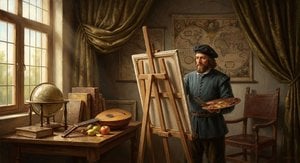
El Maestro de la Compañía Alegre: La Vida y el Legado de Dirck Hals
Bajo la luz dorada de los Países Bajos del siglo XVII, un periodo definido por un florecimiento artístico sin precedentes y una creciente riqueza mercantil, Dirck Hals labró un espacio que era únicamente suyo. Nacido en Haarlem en 1591, Hals emergió de un paisaje de profunda energía creativa, caminando bajo la sombra de su hermano mayor, el legendario retratista Frans Hals. Sin embargo, considerar a Dirck simplemente como una figura secundaria es ignorar la sutil brillantez de su contribución a la Edad de Oro holandesa. Mientras su hermano capturaba la esencia digna del individuo a través de retratos impactantes, Dirck dirigió su mirada hacia la experiencia colectiva, encontrando una belleza profunda en lo espontáneo, lo concurrido y lo comunitario.
Su viaje artístico estaba profundamente arraigado en las tradiciones de Haarlem, una ciudad que sirvió como crisol para muchos de los más grandes maestros de la época. Bajo la influencia del realismo floreciente defendido por su hermano, Dirck desarrolló una técnica caracterizada por un detalle meticuloso y una capacidad asombrosa para capturar momentos fugaces de interacción social. Se convirtió en especialista en lo que se conoce como conversation pieces: escenas íntimas de grupos entregados a discusiones animadas, la música o el compartir un refrigerio. Estas obras no eran meramente decorativas; eran ventanas psicológicas al tejido social de la República Holandena, capturando las texturas de la seda, el brillo del peltre y las expresiones matizadas de alegría, contemplación y picardía.
Una Sinfonía de Interacción Social
La esencia de la obra de Dirck Hals reside en su maestría de la atmósfera. A diferencia de la rigidez formal que a menudo se encuentra en el retrato contemporáneo, las composiciones de Hals respiran con un sentido de movimiento y vitalidad. Ya sea representando una Fiesta Divertida al Aire Libre o la elegancia estructurada de Un Banquete, utilizó los principios de la iluminación barroca para crear profundidad y drama. Poseía un don extraordinario para guiar el ojo del espectador a través de una escena concurrida, utilizando la luz para resaltar un vaso inclinado, una mirada compartida entre amantes o la delicada forma en que una mano descansa sobre una carta, como se observa en su evocadora Mujer Sentada con una Carta.
Su trabajo refleja a menudo las tendencias culturales más amplias de la Edad de Oro holandesa, donde la celebración de la domesticidad y la prosperidad de la clase media se convirtió en un tema central del arte. A través de sus representaciones de reuniones festivas y celebraciones en salones, Hals documentó los riteles de la vida en una era de inmenso crecimiento económico. Su capacidad para transmitir tanto la grandeza de estos rituales sociales como las conexiones humanas e íntimas dentro de ellos le permitió trascender la simple pintura de género, elevando la escena de la "compañía alegre" a un estudio sofisticado de la naturaleza humana.
Significancia Histórica y Huella Artística
Aunque su carrera lo llevó a trabajar en diversos centros, incluyendo periodos notables en Leiden durante la década de 1640, Hals permaneció intrínsecamente ligado al espíritu de Haarlem. Su desarrollo como artista estuvo marcado por un refinamiento constante de su habilidad para retratar la textura y la luz, asegurando que sus lienzos más pequeños poseyeran un impacto emocional monumental. Si bien es posible que no buscara la fama internacional de Rembrandt o Rubens, su influencia en la tradición de la pintura de género fue significativa, proporcionando un modelo de cómo los artistas podían capturar la belleza efímera de la vida social cotidiana.
Hoy en día, el legado de Dirck Hals sobrevive a través de obras que se encuentran en instituciones prestigiosas como el Metropolitan Museum of Art, donde sus pinturas continúan encantando a los espectadores con su espíritu vibrante. Su contribución a la historia del arte se define por varios elementos clave:
- Especialización en el Género: Perfeccionó la escena de la "compañía alegre", alejándose del retrato formal hacia narrativas grupales dinámicas.
- Profundidad Psicológica: Más allá de la mera decoración, sus figuras poseen un sentido de carácter individual y presencia emocional.
- Precisión Técnica: Su maestría de la luz y la textura aportó una realidad táctil a las escenas de las festividades holandesas.
- Documentación Cultural: Su obra sirve como un registro visual vital de las costumbres sociales y la atmósfera festiva de los Países Bajos del siglo XVII.
En el gran tapiz de la Edad de Oro holandesa, Dirck Hals permanece como un hilo vital, recordándonos que se puede encontrar un arte profundo en las risas compartidas, los susurros silenciosos y las celebraciones colectivas de la experiencia humana.
Preguntas y respuestas
¿Puedo ordenar las obras de Dirck Hals por color?
La página Índice Espectral organiza las obras de Dirck Hals por color.
¿Dónde puedo ver el perfil cromático de la obra de Dirck Hals?
El perfil cromático de la obra de Dirck Hals se muestra en la página Genoma de la Paleta del artista.
¿Cuántas obras de Dirck Hals hay disponibles para explorar?
Puede explorar 49 obras de arte obras de Dirck Hals en la página Todas las obras.